What Zurich's auction results and price data are signalling to landlords
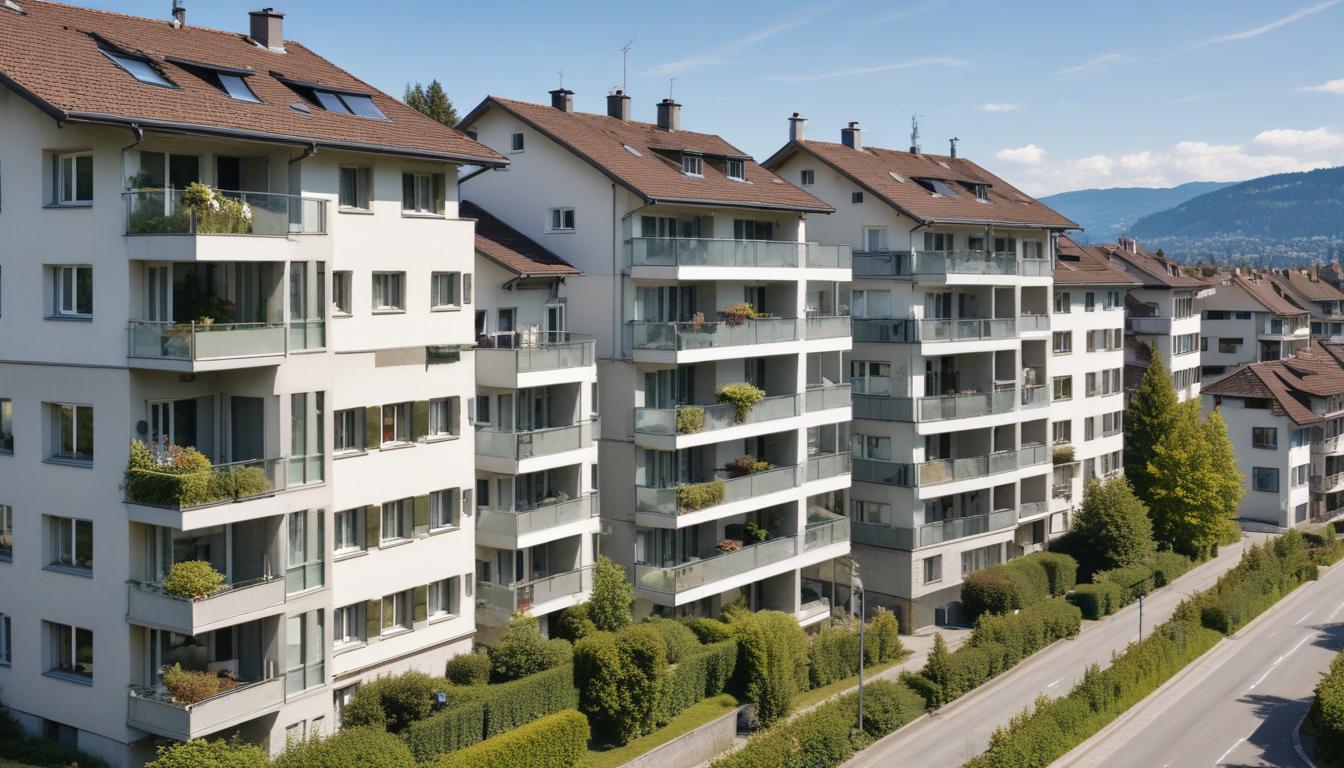
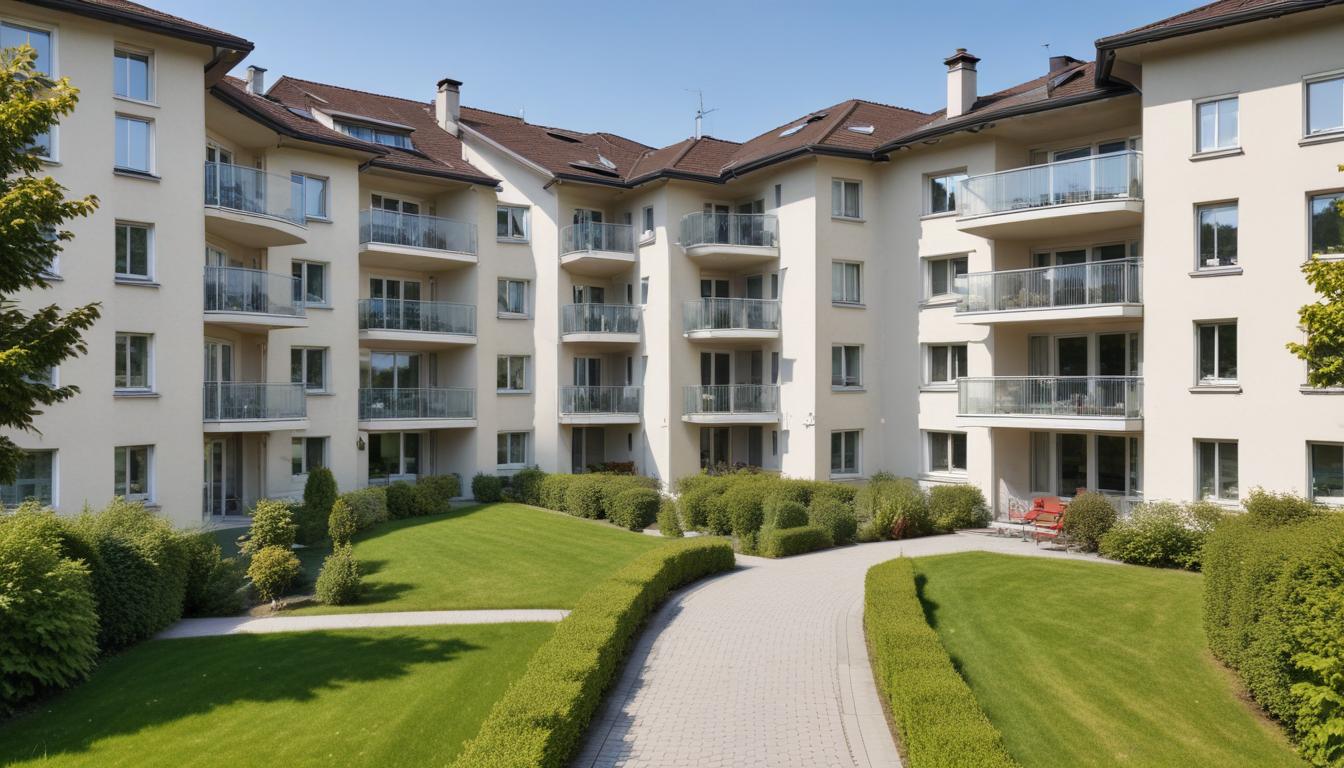
Recent sales across the city reveal a landlord's market in flux—where location premium is climbing, but gross yields are tightening.
Recent sales across the city reveal a landlord's market in flux—where location premium is climbing, but gross yields are tightening.
Listen to this article · 3:50
Zurich's investment property landscape is sending mixed signals. Recent auction results and transaction data suggest landlords should brace for tighter margins, even as certain neighbourhoods command stronger price growth than others.
The headline story: Zurich's average asking price sits at CHF 15,000 per square metre, but the real action is in how that figure masks significant geographic divergence. Waterfront properties in Seefeld and Enge continue to command premium multiples—recent sales data indicates these neighbourhoods absorbing 10–15% annual appreciation. Yet rental yields in these enclaves are dropping toward 2.5–3%, a squeeze that reflects both robust capital appreciation and flat rental growth.
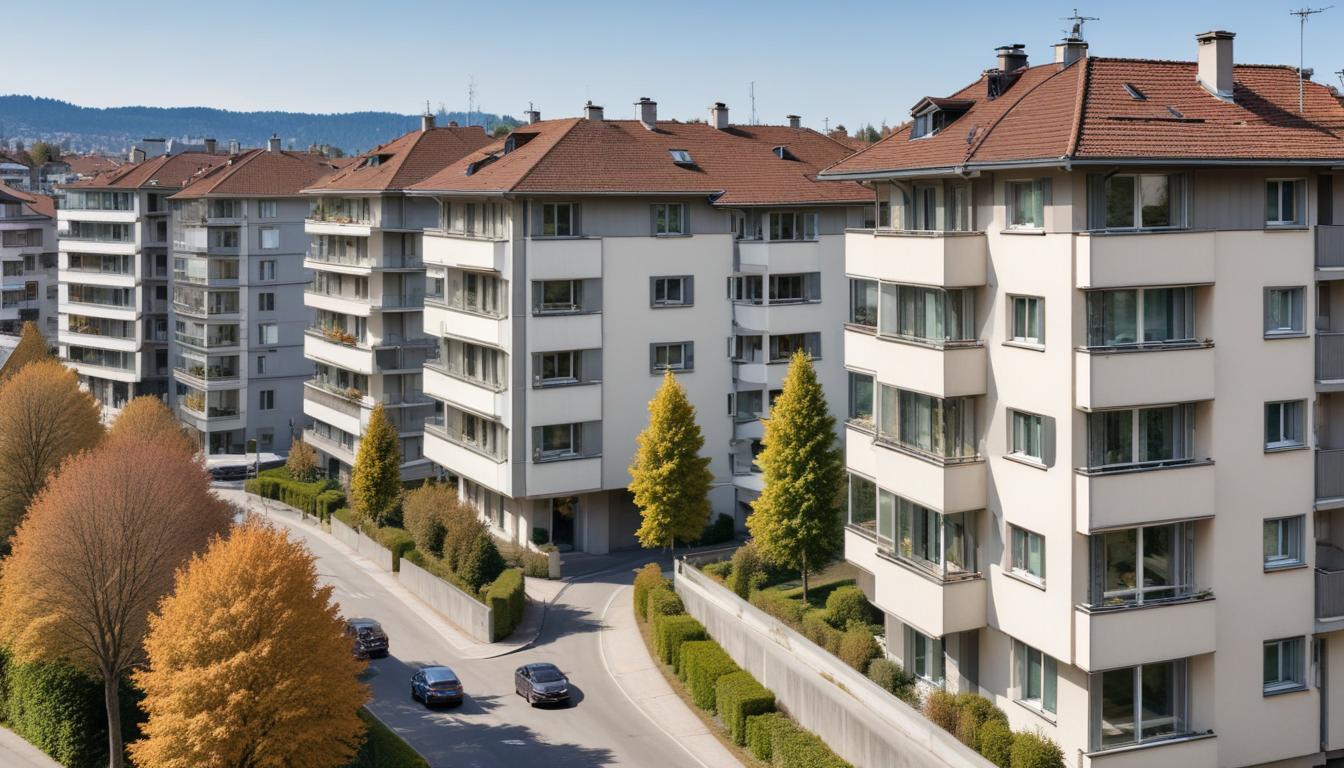
By contrast, emerging neighbourhoods tell a different tale. Kreis 5 and Wipkingen have become crucibles for yield-hunting landlords. Recent auction results from the Wiedikon and Aussersihl corridors show properties shifting at CHF 12,000–13,500 per sqm, with gross rental yields hovering between 3.5–4.2%. That gap between Seefeld's gloss and Kreis 5's fundamentals is widening—a signal that capital appreciation and income generation are decoupling more sharply than in previous years.
What does the data tell us? First, that trophy assets—think Bahnhofstrasse adjacencies or lakeside villas—are becoming vehicles for wealth preservation rather than income generation. Foreign and domestic high-net-worth buyers are still competing fiercely, but they're buying for appreciation and stability, not cash flow. Second, that mid-market properties in transitional zones are where landlords can still generate meaningful yields, though acquisition prices are climbing fast enough to compress returns.
Auction velocity also matters. Properties that sold within 30–45 days of listing in early 2026 were disproportionately concentrated in Kreis 5, Aussersihl, and parts of Altstetten—suggesting investor appetite for renovatable stock with upside. Slower-moving lots were clustered in Seefeld and around the Kunsthaus precinct, likely because international buyers are more deliberate when prices exceed CHF 18,000 per sqm.
For landlords weighing new acquisitions, the message is clear: chase the rental yield in emerging zones while those exist, but expect to work harder for it. Seefeld remains a blue-chip holding—but treat it as a store of capital, not a cash-generating machine. Monitor Kreis 5 closely; once gross yields dip below 3.2%, the arbitrage between prime and secondary locations will have largely vanished.
Switzerland's property regulation environment continues to tighten, and Zurich's municipal tax treatment of rental income is among the continent's least forgiving. That context makes today's margin compression feel especially acute.
This article was compiled by AI from the sources linked above and screened before publishing. See our editorial standards.
How does this story make you feel?
Spread the word
About this article
Published by The Daily Zurich
Daily brief
Free, in your inbox before 7am. Weekdays.
More in Property