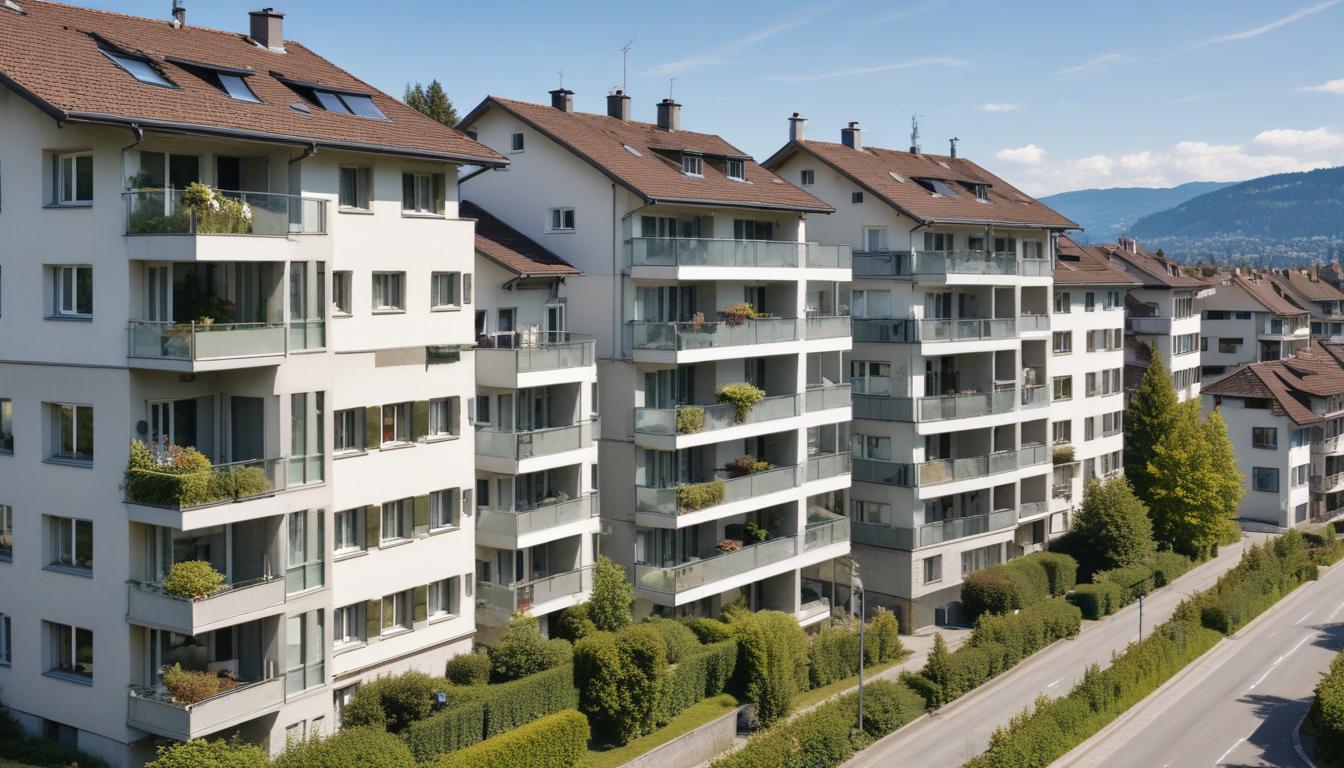
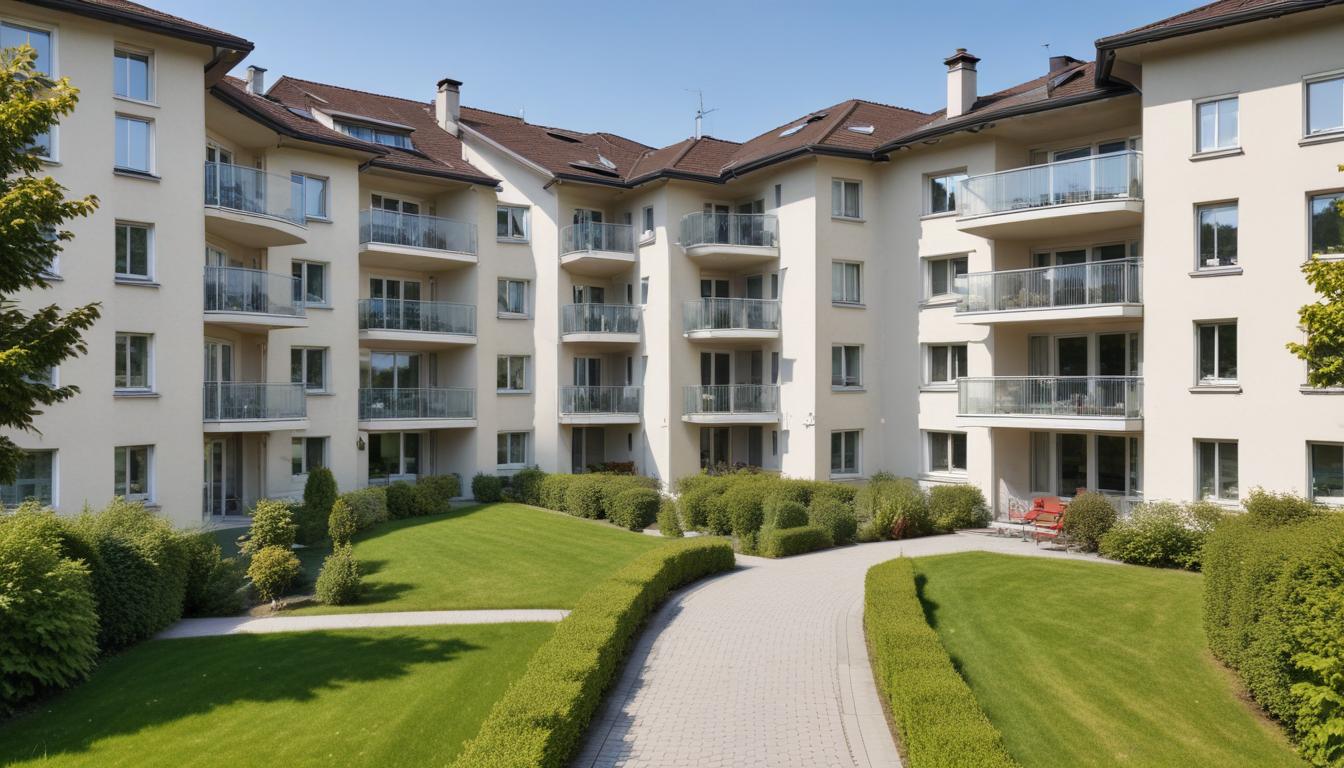
For first-time buyers in Zurich, navigating the property market has always felt like decoding a foreign language. But the current development boom—with multiple projects advancing through municipal approval stages—presents a rare window to understand how new supply actually reaches the market in Switzerland's most expensive city.
The baseline reality is sobering: Zurich averages CHF 15,000 per square metre for residential property, making it Europe's priciest market. Yet the approval process for new developments can stretch three to five years from initial planning submission to key handover. Understanding this timeline is crucial for first-time buyers who might otherwise miss emerging neighbourhoods before prices fully capitalize on new construction.
Kreis 5 and Wipkingen have become focal points for younger buyers precisely because several mixed-use developments are progressing through the Hochbauamt (Building Department). These traditionally affordable zones are seeing renewed interest as investors recognize that pre-approval projects—those already cleared by city planners—offer more certainty than raw land speculation.
Here's what newcomers should know: Zurich's approval process requires submission to both district (Kreis) authorities and the cantonal planning office. Projects must satisfy stringent sustainability criteria under the city's 2050 carbon-neutral mandate. This regulatory rigour adds cost and timeline, but it also protects property values long-term. New developments must meet Minergie standards (ultra-low energy consumption), which translates to higher resale appeal and lower operating costs—a significant advantage in a market where maintenance represents 15-20% of annual property costs.
The Seefeld and Enge waterfront zones continue commanding premium positioning, but several emerging projects along the Limmat corridor—from Aussersihl to Wiedikon—demonstrate how new construction can reshape neighbourhood perception. Early-stage buyer interest in pre-approval projects here has already shifted local sentiment.
For first-timers, the strategic advantage lies in identifying projects in their final approval stages. Working with local real estate advisors who track Hochbauamt submissions provides a two-to-three-year lead on market knowledge. The Zurich Chamber of Commerce publishes quarterly development forecasts, and the Stadt Zürich planning portal (stadt-zuerich.ch/Hochbauamt) maintains a searchable approval register.
Buy timing matters less than understanding which neighbourhoods are structurally positioned for growth. New construction approvals reveal where planners believe future demand will concentrate—information that shapes entry strategy far more reliably than past price trends alone.
This article was compiled by AI from the sources linked above and screened before publishing. See our editorial standards.