Five New Developments Reshaping Zurich's Residential ...
From Wiedikon to the Limmat waterfront, major construction approvals signal a fundamental shift in where and how Zurich's middle class can afford to live.
From Wiedikon to the Limmat waterfront, major construction approvals signal a fundamental shift in where and how Zurich's middle class can afford to live.
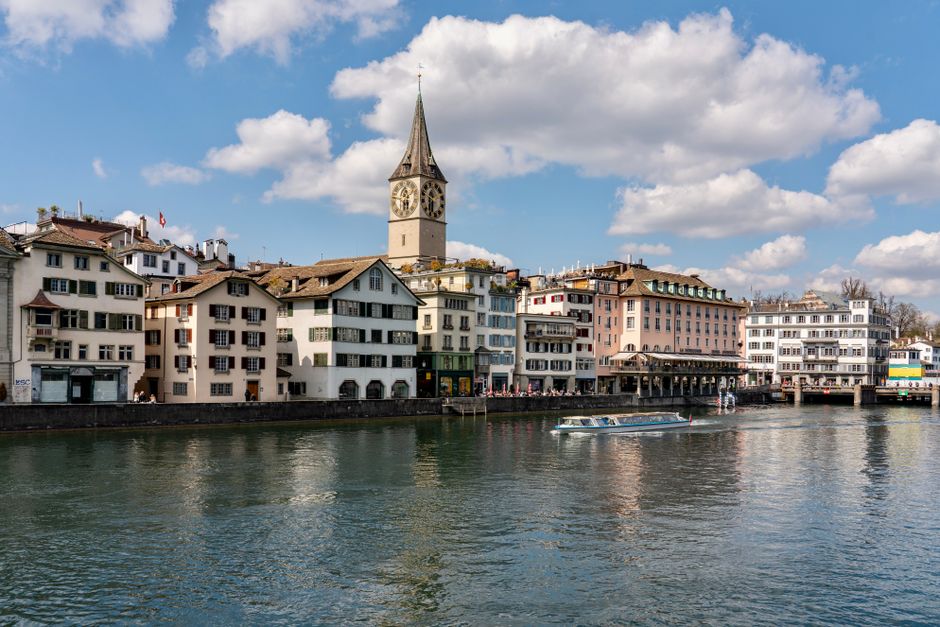
Zurich's property approval pipeline is busier than it has been in a decade. With the canton's Building and Planning Department fast-tracking decisions on five major residential schemes, the city is preparing for what industry observers call a "critical inflection point"—one that could either ease decades of housing scarcity or deepen affordability divides along neighbourhood lines.
The most closely watched project sits on the former SBB marshalling yards in Wiedikon. The 18,000-square-metre site, granted preliminary approval in May, will yield approximately 520 residential units across mixed-use towers and mid-rise housing. At an estimated average of CHF 16,500 per square metre—slightly above the city median of CHF 15,000—the development signals that even peripheral inner-city sites now command premium pricing. Parking solutions remain contentious; the developer has committed to 280 spaces, but cycling and public transit advocates argue the ratio remains too car-dependent for a neighbourhood increasingly served by the extended Tram 8 network.
Meanwhile, on the Limmat's east bank near Zurich Hauptbahnhof, a second major approval permits conversion of defunct industrial buildings into 340 apartments alongside retained heritage facades. This project matters less for scale than for precedent: it demonstrates that even Zurich's most tightly zoned central corridors can accommodate density gains without sacrificing the architectural language locals expect.
Seefeld residents, long protective of their lakefront character, are divided over a third approval affecting Mythenquai. The plan densifies a half-hectare parcel with 220 units and ground-floor retail, maintaining green corridors but increasing foot traffic in an area where a two-bedroom already averages CHF 3.2 million. "We're not against development," says one local resident association representative, "but who will these homes serve when the school and clinic are already at capacity?"
Kreis 5's emerging reputation as a creative hub is being tested by two concurrent approvals in Wipkingen and along Hardstrasse. Combined, they'll add 280 units and 8,000 square metres of artist studio and gallery space. Rents for creative workspaces there have already doubled since 2019, raising the spectre of displacement even as the neighbourhood officially welcomes new residents.
The broader picture: Zurich approved approximately 2,100 residential units in 2025, placing the city on track to meet its 2035 target of 6,500 new homes. Yet approvals alone do not guarantee affordability. Without strict conditions requiring 25–30 per cent cost-controlled units per project—a standard gaining traction in Bern but resisted here—these developments will primarily serve high-income buyers and renters. For ordinary Zurichers, the building boom may look like change without relief.
This article was compiled by AI from the sources linked above and screened before publishing. See our editorial standards.
How does this story make you feel?
Spread the word
About this article
Published by The Daily Zurich
Daily brief
Free, in your inbox before 7am. Weekdays.
More in Property