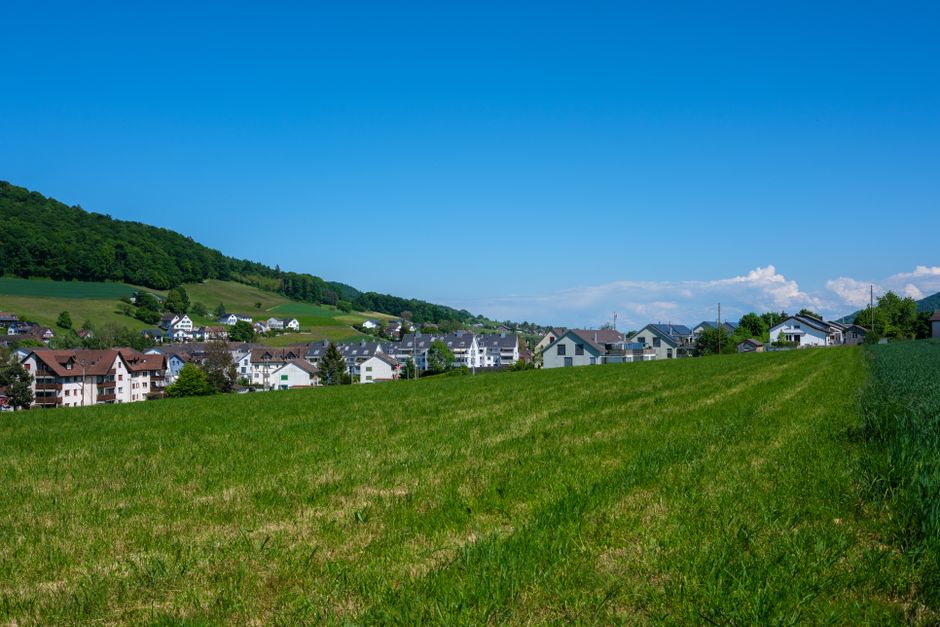
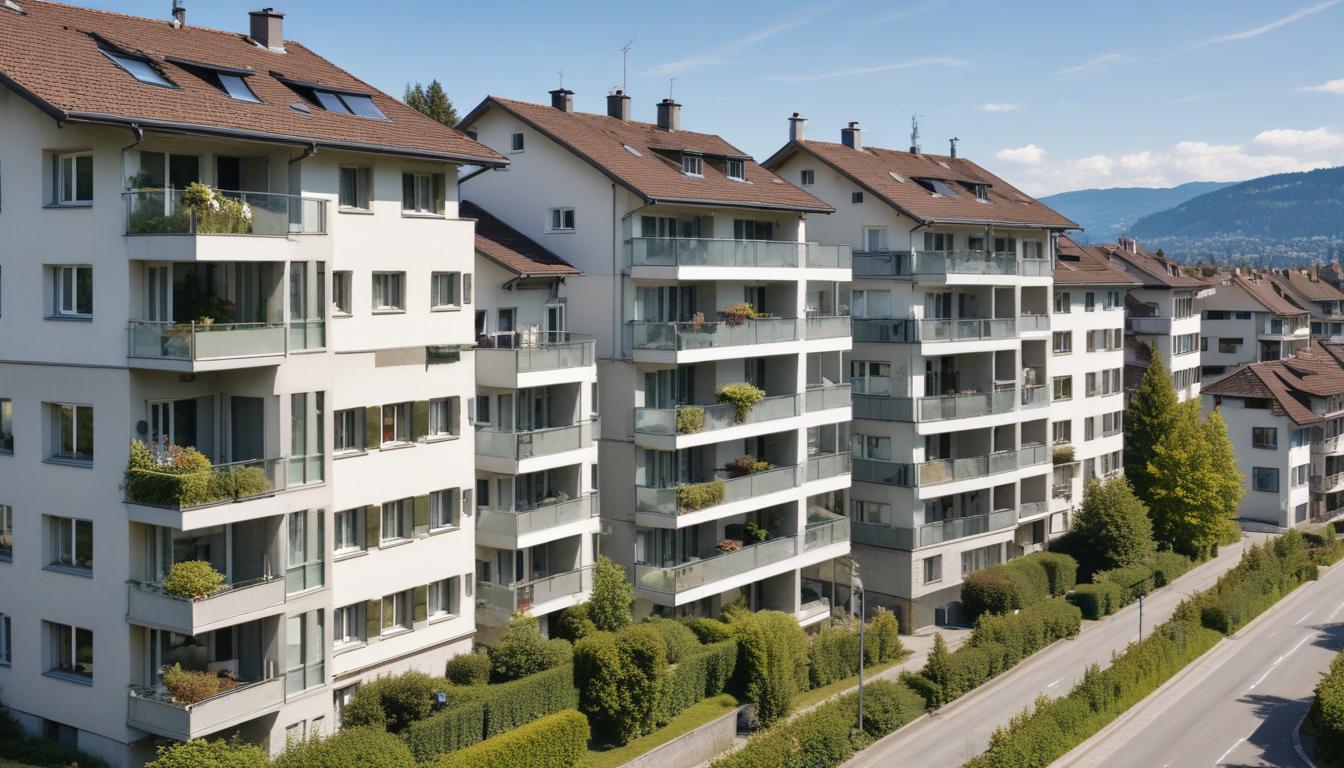
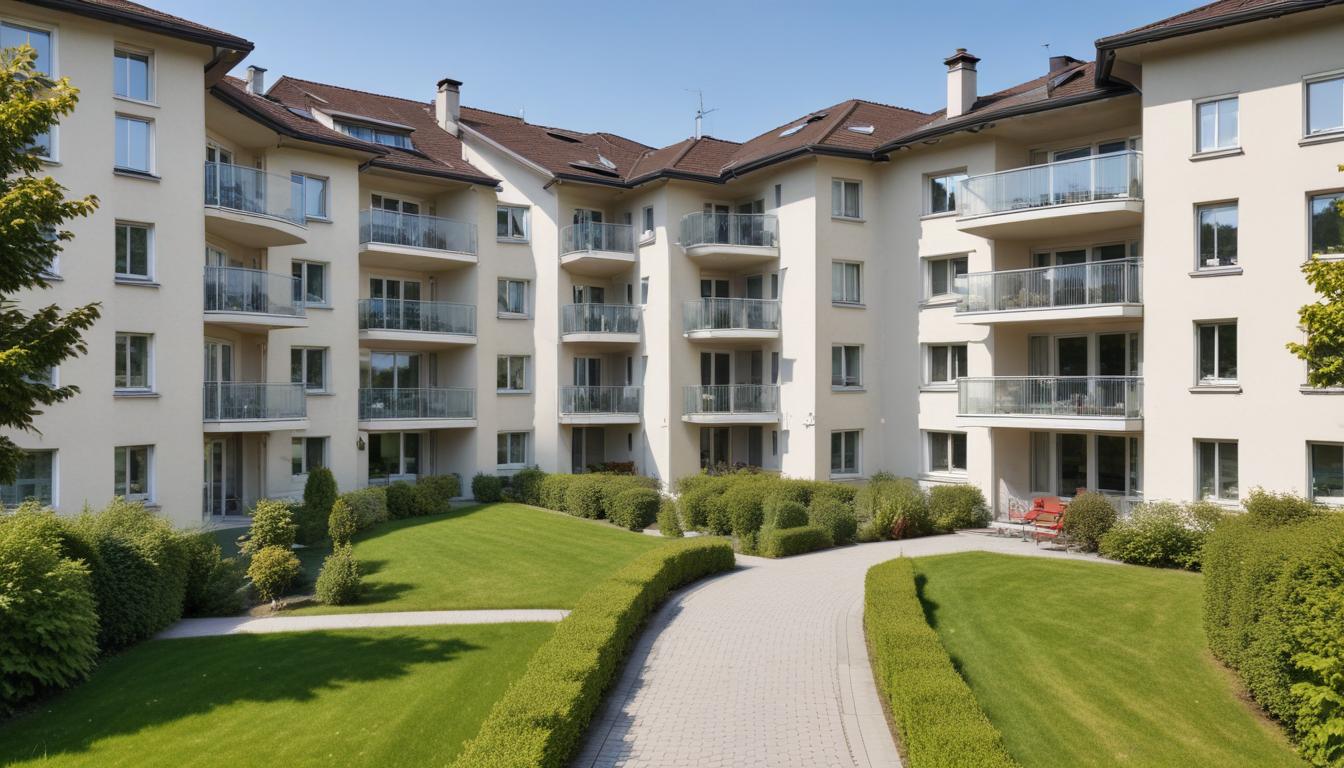
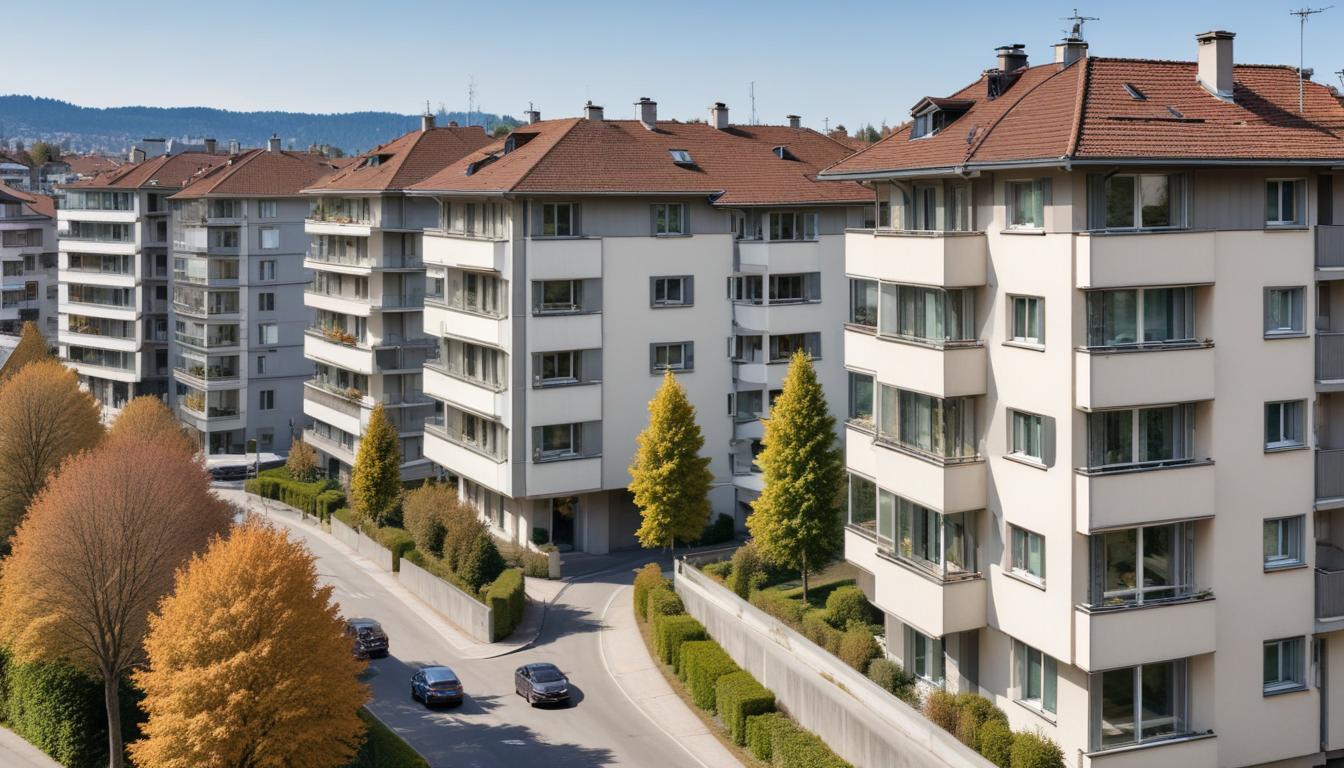
Zurich's property market has entered a new phase. While Seefeld's waterfront villas remain the trophy asset—commanding CHF 25,000 per square metre or higher—the real momentum is elsewhere. Across Kreis 5's Industriequartier and the rapidly gentrifying reaches of Wipkingen, prices are climbing faster than the city average of CHF 15,000 per sqm, driven by forces that go beyond nostalgia or traditional prestige.
The shift reflects three converging realities. First, the normalisation of hybrid work has untethered younger professionals and families from downtown proximity. Second, the canton's aggressive sustainability mandates—Zurich aims for carbon neutrality by 2040—are making energy-efficient heritage properties and newly renovated buildings along the Limmat corridor genuinely competitive. Third, cultural infrastructure matters more than ever. Proximity to the Museum of Fine Arts in Kreis 8, the Performance Centre Zurich (Zürich Performing Arts), and the revitalised Kaserne Zurich cultural venue are now measurable value drivers.
Take Wipkingen: a decade ago, it was overlooked. Today, restored loft conversions near the Limmat at Sihlquai are trading at CHF 14,500–17,000 per sqm. The neighbourhood's appeal is textbook millennial-meets-pragmatist: walkable density, craft breweries on Badenerstrasse, excellent tram links (Lines 4, 13), and relatively younger demographics. Families with children are discovering that a three-bedroom apartment here costs 15–20% less than equivalent space in Enge, yet offers better schools and parks.
Meanwhile, Kreis 5's ongoing transformation—once industrial, now a mosaic of tech startups, design studios, and converted warehouses—shows prices climbing steadily. Properties near Hungerburg or along the Oberer Letten riverside promenade, newly pedestrianised last year, are seeing genuine scarcity-driven appreciation.
But here's what buyers must understand: this momentum comes with fine print. Renovation costs in older stock remain substantial. Heritage protections—particularly in Wipkingen's protected quarters—can lock owners into expensive compliance. And while remote work enabled this migration, economic headwinds could reverse it just as fast.
The Swiss National Bank's interest-rate trajectory remains critical. With mortgage rates hovering near 2.5%, leverage is still accessible, but that window won't stay open indefinitely. Buyers chasing secondary neighbourhoods should verify energy certificates (increasingly non-negotiable for resale) and factor in CHF 2,000–4,000 per sqm for meaningful renovation.
The message is clear: Zurich's wealth isn't concentrating—it's dispersing. The question for today's buyer isn't which neighbourhood will appreciate most, but whether they're willing to sacrifice prestige for authenticity, walkability, and genuine value. For many, the answer is finally yes.
This article was compiled by AI from the sources linked above and screened before publishing. See our editorial standards.