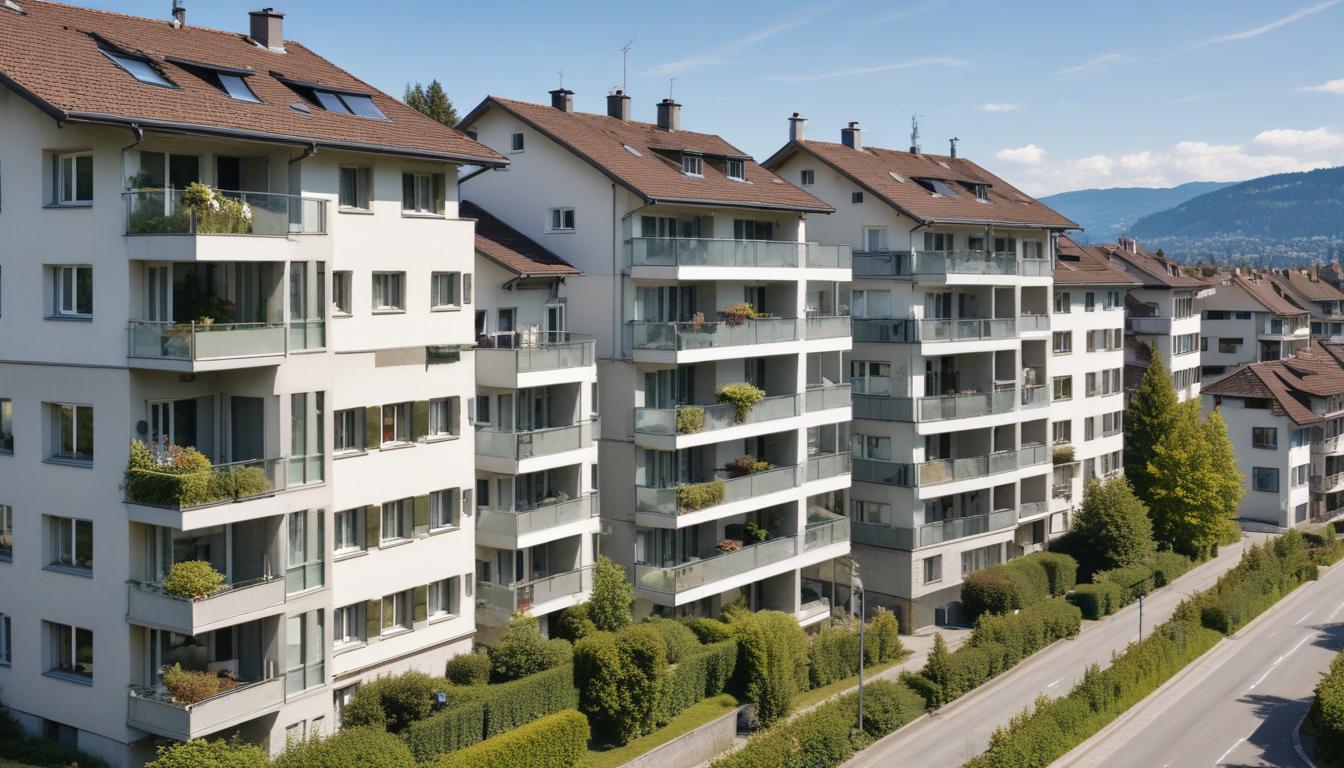
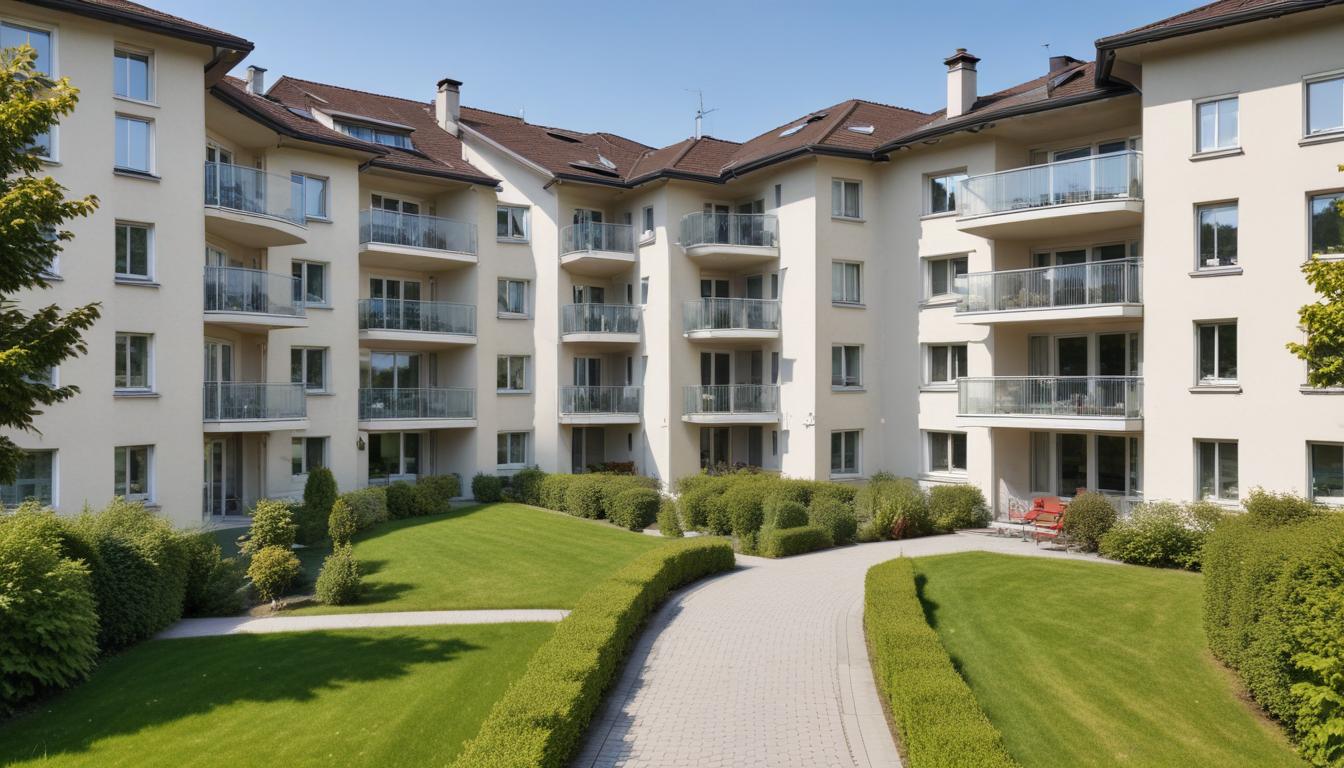
Zurich's property market is sending mixed signals. While headline prices hover around CHF 15,000 per square metre citywide, the real story lies in what's actually changing hands—and where.
Recent auction results from the past quarter paint a picture of selective strength. Seefeld and Enge continue to command their waterfront premium, with lakeside apartments on Mythenquai and along the Zürichberg slopes maintaining near-peak valuations. A recent sale of a converted Gründerzeit villa in upper Enge closed at CHF 18,500 per sqm, barely moved from 2025 levels. The message: established prestige neighbourhoods aren't budging.
But step into Kreis 5, and the narrative shifts. Industrialised districts like Zukunft and around the Schiffbau cultural hub are showing intriguing signals. Auction data from the past eighteen months shows unit prices in Wipkingen climbing steadily—particularly for smaller apartments and renovated lofts near the Limmat riverfront. Several two-bedroom conversions on Badenerstrasse have sold above asking, suggesting investor and young professional appetite remains robust here. This trend aligns with broader regeneration efforts around Zukunft's creative quarter and improving public transport links.
Meanwhile, outer neighbourhoods tell a cautious tale. Hongg and Altstetten, traditionally affordable entry points, are seeing longer holding periods before sale. Recent auction clearance rates in these zones dipped below 2025 benchmarks, indicating buyers are becoming selective about value propositions beyond mere affordability.
The data also flags suburban positioning. Adliswil and Rüschlikon, leafy alternatives with family appeal, continue to attract buyers priced out of central Zurich proper. A recent cluster of sales around Adliswil's Dreilinden area closed near or above valuation, suggesting continued outward migration patterns remain intact.
What's striking is the granularity required to read Zurich's market now. Neighbourhood—even micro-location—matters more than ever. A CHF 3 million budget buys very different properties across districts, and auction velocity clearly favours authentic redevelopment stories (Wipkingen's conversion wave) over pure heritage plays (certain Kreis 1 properties languishing longer).
For investors tracking opportunity, the auction results suggest a simple rule: established prestige holds, creative regeneration zones attract renewed energy, and outer suburbs remain functional buys. The volatility lies in those middle neighbourhoods where supply, narrative, and buyer appetite are still finding equilibrium.
This article was compiled by AI from the sources linked above and screened before publishing. See our editorial standards.