What auction results and price data are really signalling about Zurich's pipeline
Recent sales of development land and completed units suggest developers are recalibrating expectations—but not abandoning the market.
Recent sales of development land and completed units suggest developers are recalibrating expectations—but not abandoning the market.
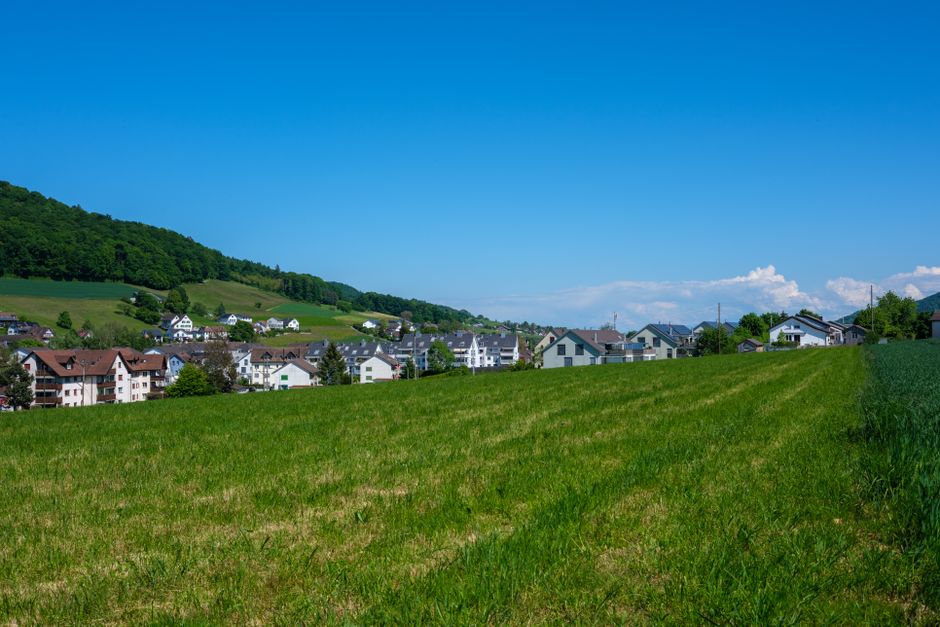
The Zurich property market's construction cycle is flashing mixed signals. Over the past eighteen months, data from major auctions and land transactions have painted a picture of cautious optimism rather than exuberance—a critical tell for what developers are willing to greenlight next.
Take the recent activity around Kreis 5. A 2,800-square-metre plot near Langstrasse fetched CHF 5.2 million at auction in spring, suggesting per-square-metre land values around CHF 1,860—down roughly 8 per cent from equivalent transactions in 2024. That softening is significant. It signals developers are factoring in longer sales cycles and thinner margins, yet are still buying. Translation: the pipeline will keep flowing, albeit more selectively.
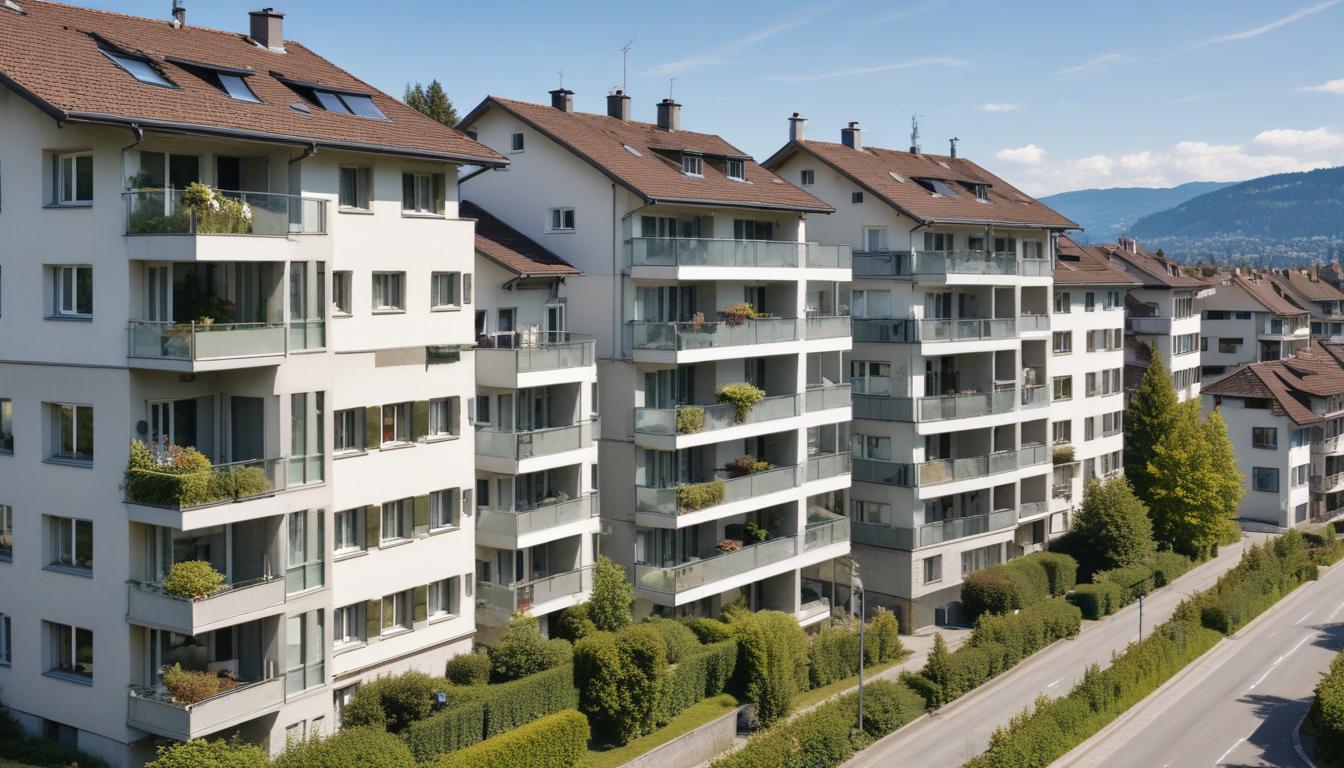
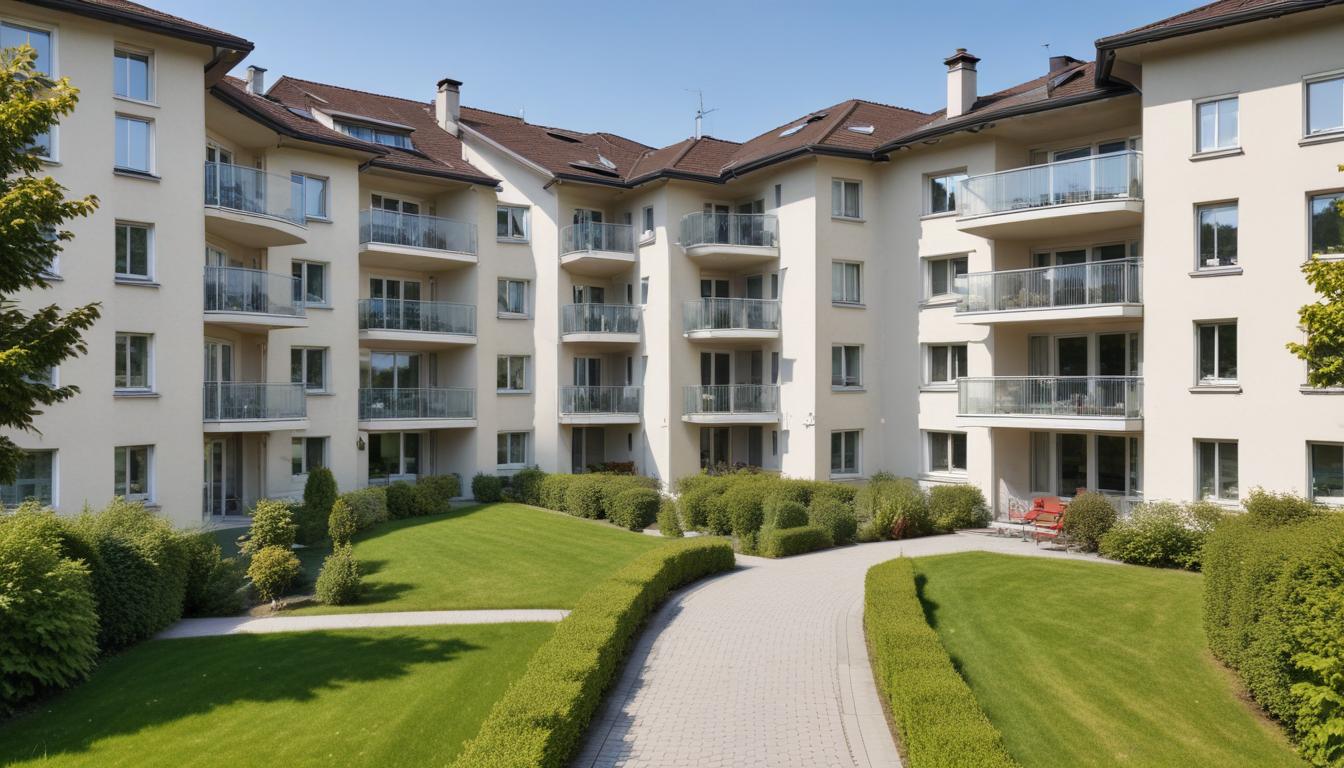
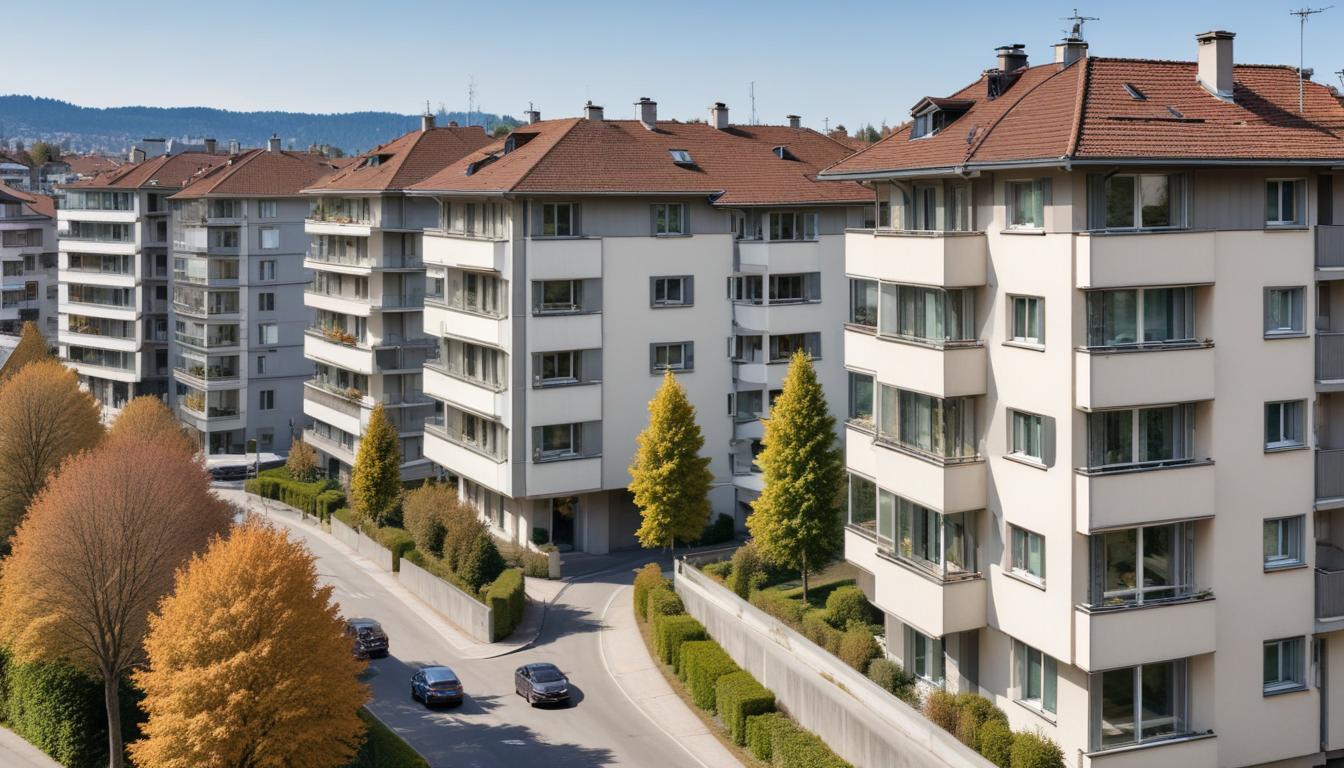
Completed residential inventory tells a parallel story. Studio and one-bedroom units in Wipkingen and Altstetten are moving, but at prices that reflect realism. Where Seefeld waterfront apartments command CHF 18,000–22,000 per square metre, newer stock in Kreis 6 is settling around CHF 13,500–15,000 per sqm—consistent with Zurich's longer-term average of CHF 15,000 but without the speculative premium that characterised 2022–23.
The auction market itself has become a more honest price-discovery mechanism. Unsold lots—rare a few years ago—are now appearing at major venues, including Christie's and Koller. In one notable case, a development-ready site in Hongg went unsold after opening at CHF 4.8 million, suggesting developers are now more disciplined about acquisition costs. This is healthy constraint, not crisis.
For planning authorities and market observers, these signals are steering expectations about what gets built. Multi-use schemes on the Wiedikon–Wollishofen corridor, where land costs have stabilised, appear to be moving forward. Conversely, purely residential projects in premium zones like Enge face tighter scrutiny on feasibility, pushing architects toward mixed-use models that blend office, retail and housing.
The Federal Statistical Office's latest housing starts data—down 3.2 per cent year-over-year across German-speaking Switzerland—suggests that price-dampening is already affecting new approvals. Yet Zurich's own pipeline remains robust relative to peers. Cantonal data shows 1,247 units in construction or approved as of Q2 2026, indicating developers believe in medium-term demand even if they're not overpaying for land today.
What the auctions and price data are ultimately signalling is maturity: the exuberant phase is over, but the market is not freezing. Smart capital is still entering. It's simply doing so with eyes open to a longer horizon and tighter hurdle rates. For a city with Switzerland's highest property values, that recalibration feels entirely necessary.
This article was compiled by AI from the sources linked above and screened before publishing. See our editorial standards.
How does this story make you feel?
Spread the word
About this article
Published by The Daily Zurich
Daily brief
Free, in your inbox before 7am. Weekdays.
More in Property