First-Time Landlords' Guide to Navigating Zurich's Yield-Hungry Market
As property prices hover around CHF 15,000 per square metre, new investor-owners must understand realistic returns and strategic positioning in Switzerland's toughest market.
As property prices hover around CHF 15,000 per square metre, new investor-owners must understand realistic returns and strategic positioning in Switzerland's toughest market.
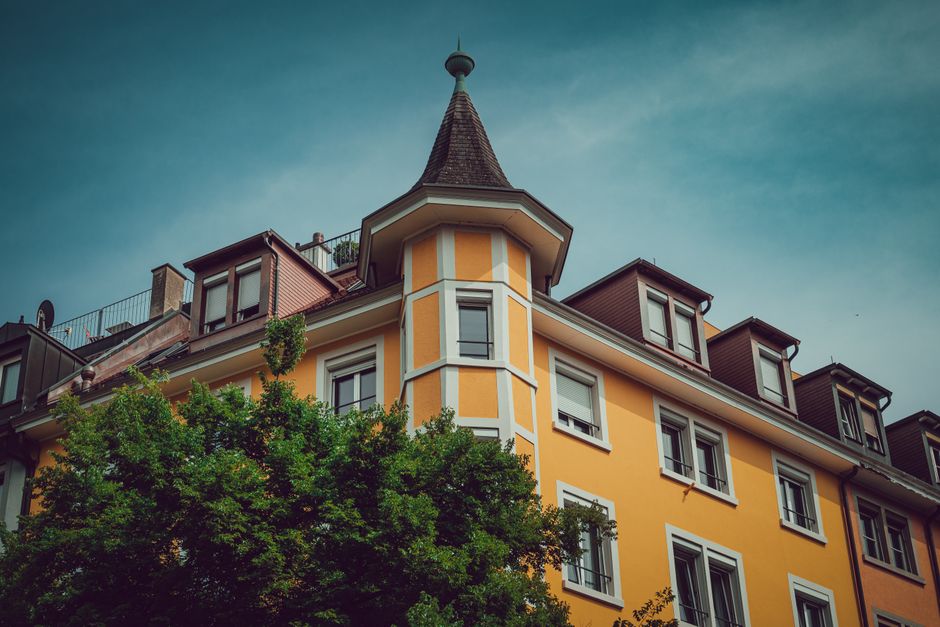
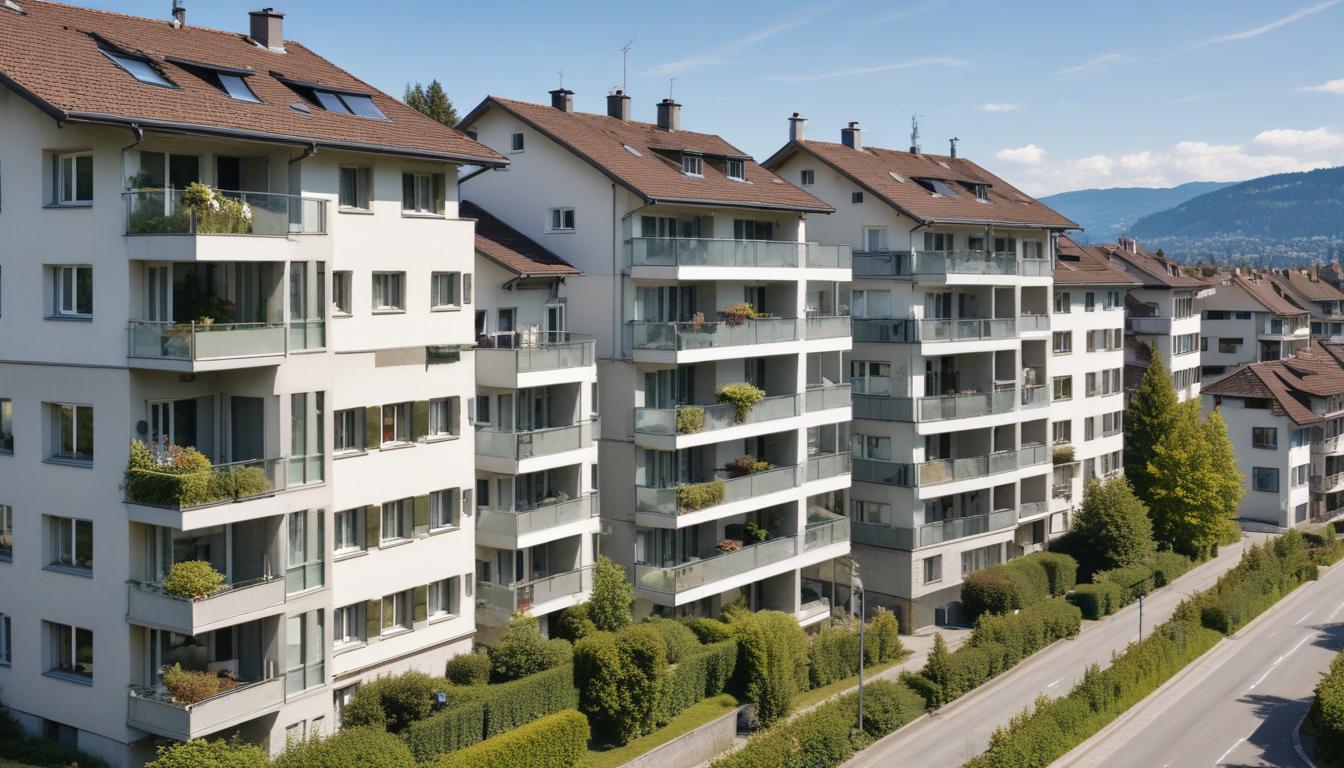
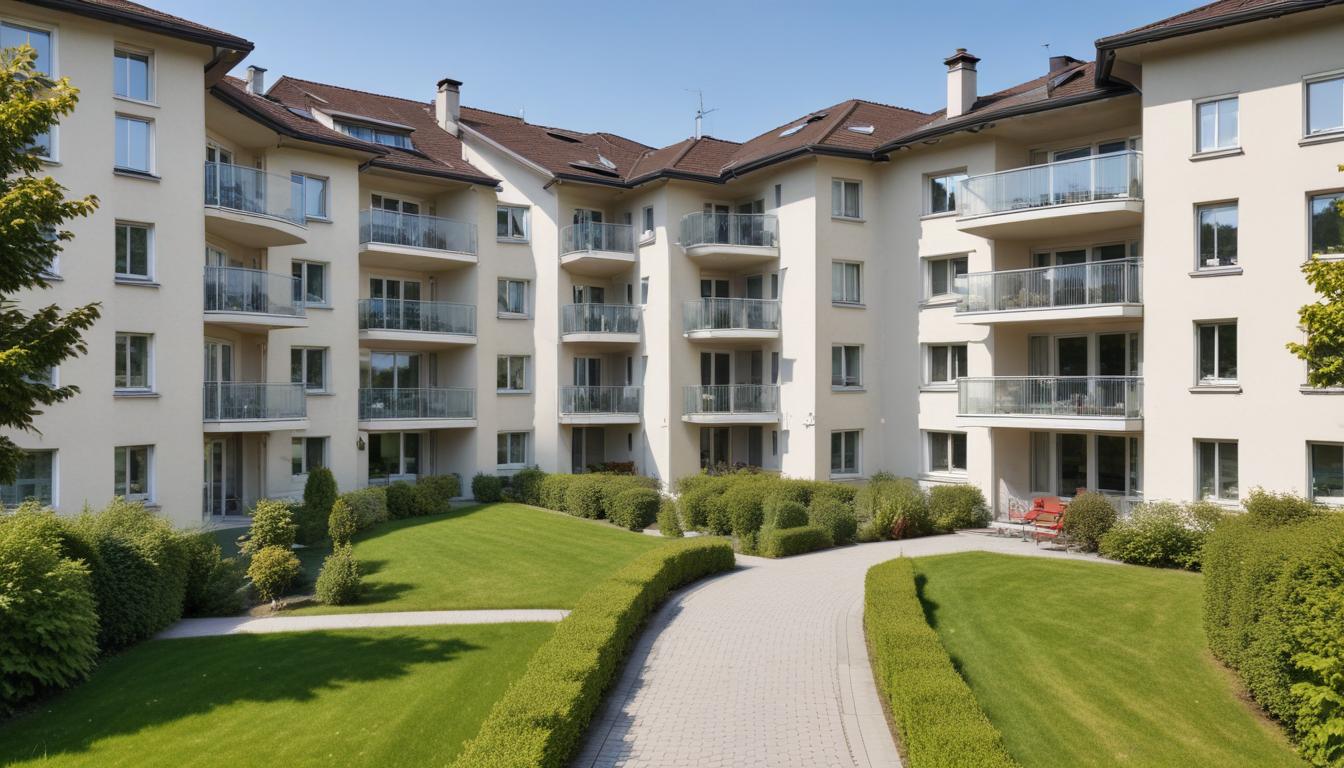
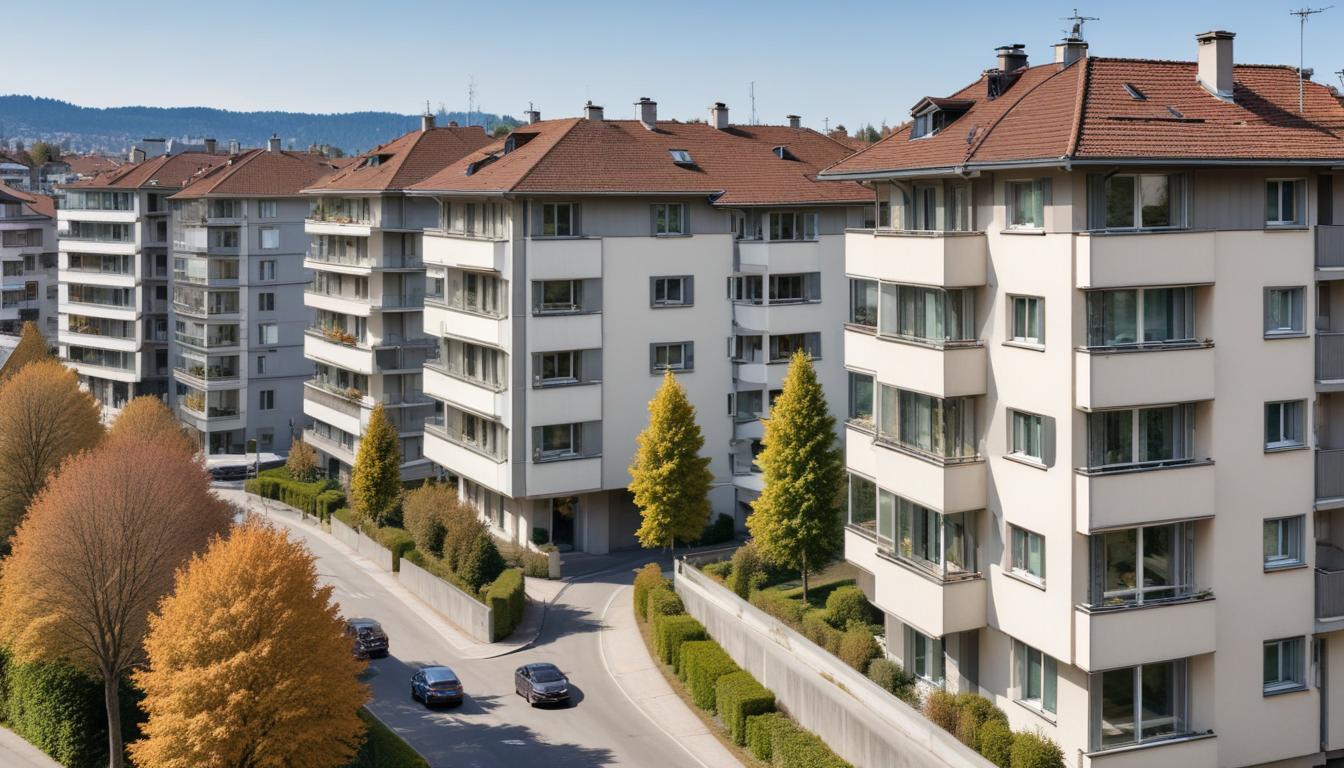
Zurich's property market presents a paradox for first-time landlord-investors: sky-high entry costs paired with modest rental yields. At an average of CHF 15,000 per square metre, acquiring investment property requires substantial capital—yet typical gross yields range from just 2.5 to 3.5 percent across most neighbourhoods. Understanding this tension is essential before committing.
The arithmetic matters most. A CHF 1.2 million apartment in Wiedikon might generate CHF 36,000 annually in rent, translating to a gross yield of 3 percent. After mortgage costs, maintenance, and taxes, net returns often dip below 2 percent. This isn't speculation; it's the reality facing purchasers navigating the Immobilien Zeitung or major portals like Homegate and ImmoScout24.
Location selection becomes critical. While prestigious Seefeld and Enge waterfront properties command premium prices that further compress yields, emerging hotspots like Kreis 5's Gerold neighbourhood and Wipkingen offer marginally better rental-to-price ratios. Younger demographics cluster there, sustaining demand for smaller units and supporting modest rent growth. A studio near Badenerstrasse might yield 3.8 percent—still modest, but meaningful over decades.
First-time buyers should prioritise long-term appreciation over immediate cash flow. Swiss property rarely crashes; it compounds steadily. A CHF 900,000 purchase in a stable zone like Altstetten, away from headline glamour but offering steady tenant demand, may appreciate 1–2 percent annually whilst delivering stable 3 percent yields. Over twenty years, that compounds substantially.
Financing structure heavily influences outcomes. Securing a 65 percent loan-to-value ratio (standard for investors) versus 80 percent materially changes profitability. Local cantonal tax treatment also varies; consultation with Zurich-based tax advisors on Bahnhofstrasse or through organisations like the Zurich Chamber of Commerce is non-negotiable. Depreciation deductions and mortgage interest offsets can shift net returns meaningfully.
Tenant quality and property management cannot be underestimated. Properties near major transit hubs—Hauptbahnhof, Stadelhofen—attract mobile tenants with shorter tenancies. Quieter residential streets in Hongg or Leimbach support longer-term occupancy, reducing turnover costs. Partnering with professional management firms, though expensive, typically protects margins.
New investors should stress-test assumptions ruthlessly. Model scenarios with 10–15 percent vacancy, inflation-adjusted maintenance costs, and potential rate rises. Zurich's regulatory environment, whilst stable, includes tenant-protection laws limiting rent increases to inflation plus modest percentages. This isn't Vegas; it's patient capital stewardship in Europe's priciest market.
The path forward? Position yourself for duration, not quick wins. Yields may disappoint day one, but disciplined acquisition in fundamentally sound neighbourhoods—supported by strong employment density around Europaplatz or Zurich West—builds enduring portfolios.
This article was compiled by AI from the sources linked above and screened before publishing. See our editorial standards.
How does this story make you feel?
Spread the word
About this article
Published by The Daily Zurich
Daily brief
Free, in your inbox before 7am. Weekdays.
More in Property