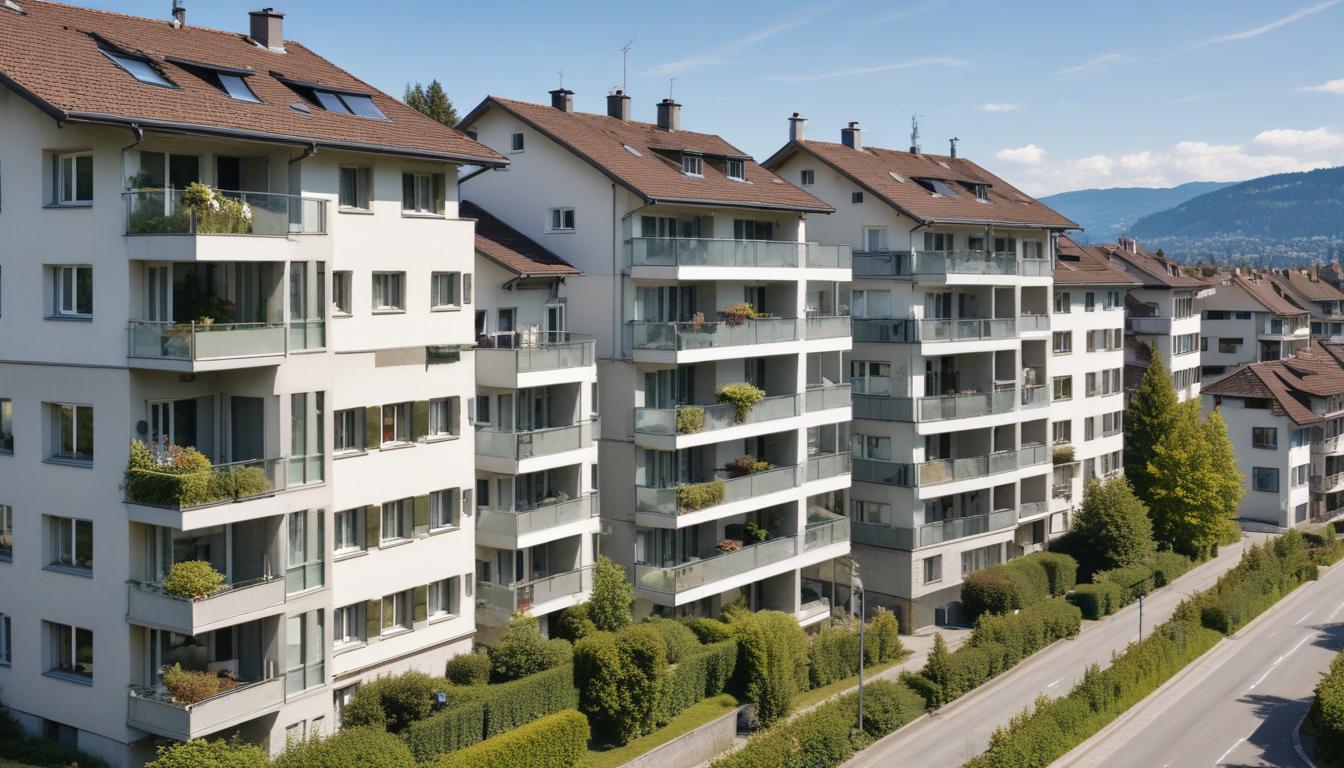
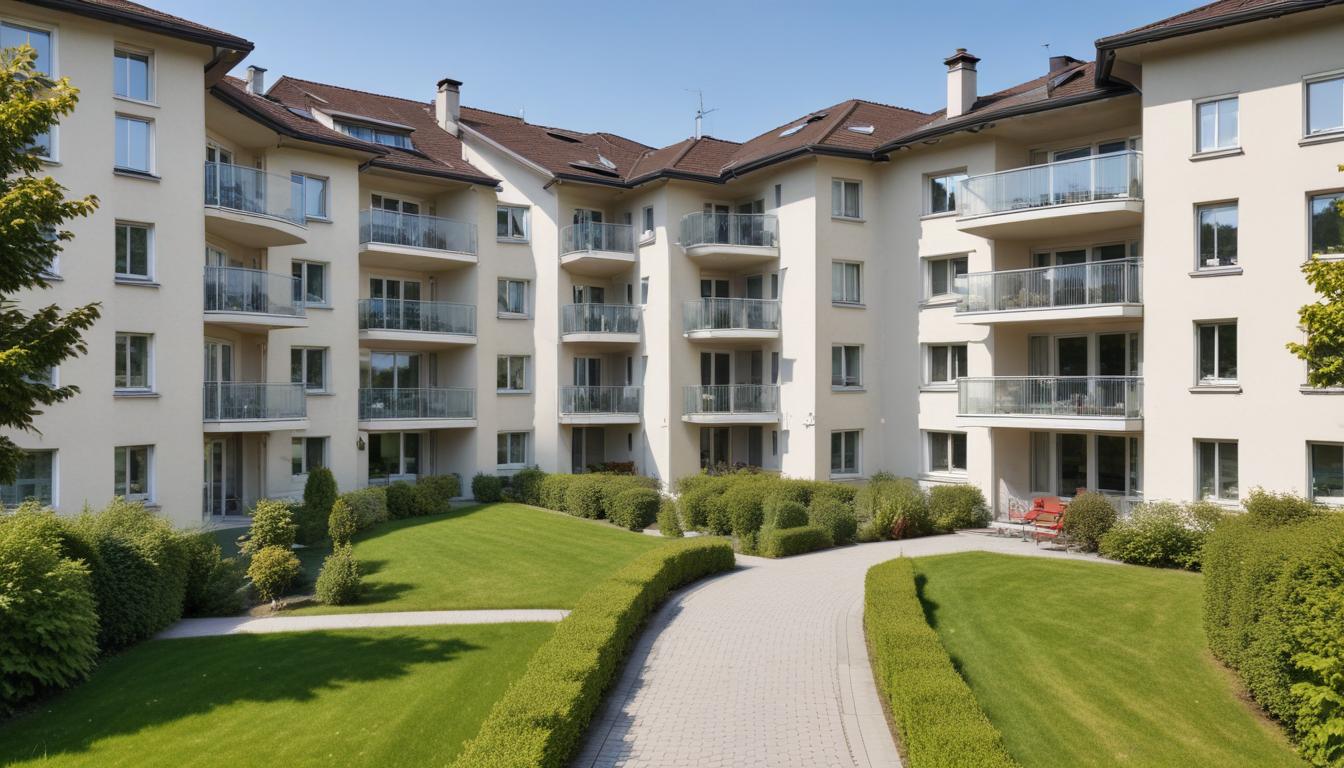
Altstetten's transformation: How Zurich's industrial quarter became the city's next luxury frontier
As waterfront premiums plateau, savvy investors are eyeing the west side's sweeping urban renewal and cultural momentum.
As waterfront premiums plateau, savvy investors are eyeing the west side's sweeping urban renewal and cultural momentum.
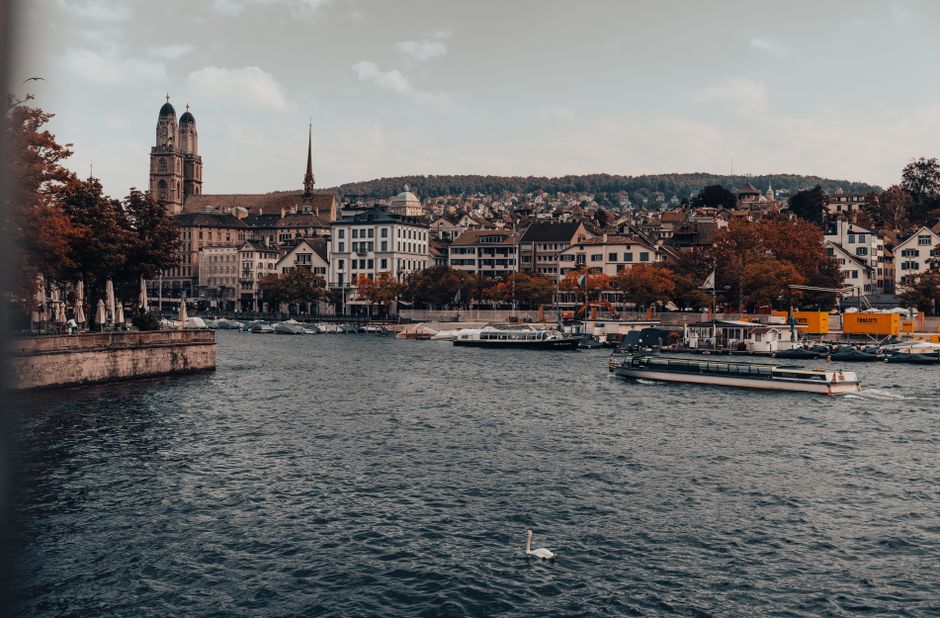
For decades, Altstetten occupied an unglamorous corner of Zurich's property consciousness—a working-class district defined by rail yards, modest apartment blocks, and industrial heritage rather than lake views. Today, that narrative is reversing with remarkable speed.
The shift accelerated following the completion of the Europaplatz redevelopment and the opening of the Schiffbau cultural quarter along the Limmat. Where CHF 8,000–10,000 per square metre once represented fair value for modest stock, new development projects and conversions now command CHF 12,000–14,500/sqm—a 40% premium in under five years. The most coveted addresses, particularly along Schiffbaustrasse and the renovated warehouse conversions near Kalkbreite, are approaching parity with established Kreis 5 properties.
What's driving the momentum? Urban planners point to Altstetten's scale advantage: unlike saturated neighbourhoods like Seefeld or Enge, where waterfront apartment availability hovers near 2%, Altstetten's industrial legacy offers room for substantial mixed-use development. The planned expansions around the SBB rail depot alone represent over 50,000 square metres of buildable space, attracting institutional investors from Zurich-based foundations and international property groups.
Cultural infrastructure is critical to the appeal. The Schiffbau has evolved into a serious contemporary arts venue, hosting international exhibitions and theatre productions that rival Kunsthaus programming. The nearby Kalkbreite cooperative housing model—blending private units with communal spaces and retail—has become a case study for sustainable urban living, positioning Altstetten as architecturally progressive rather than merely convenient.
Young professionals and empty-nesters relocating from Seefeld cite walkability as the decisive factor. The district connects seamlessly to the Limmattal trail system and sits equidistant from Hauptbahnhof and Wiedikon stations. For families priced out of CHF 15,000+/sqm central zones, Altstetten offers comparable amenities—boutique restaurants on Langstrasse, the Shopville gallery spaces, and renewed public plazas—at roughly 15% discount.
Market insiders note the investment cycle mirrors post-2015 Wiedikon expansion, though with faster momentum. Major developers including Wincasa and Mobimo have acquired significant landholdings, signalling confidence in sustained appreciation. Property agents report inquiries from foreign buyers—particularly German and Italian—seeking Zurich exposure without central-district price shock.
The premium waterfront neighbourhoods remain secure. Yet for institutional investors and owner-occupiers with a 10-year horizon, Altstetten represents the rare Zurich opportunity: established infrastructure, cultural validation, and genuine scarcity value—before the mainstream discovers it.
This article was compiled by AI from the sources linked above and screened before publishing. See our editorial standards.
How does this story make you feel?
Spread the word
About this article
Published by The Daily Zurich
Daily brief
Free, in your inbox before 7am. Weekdays.
More in Property