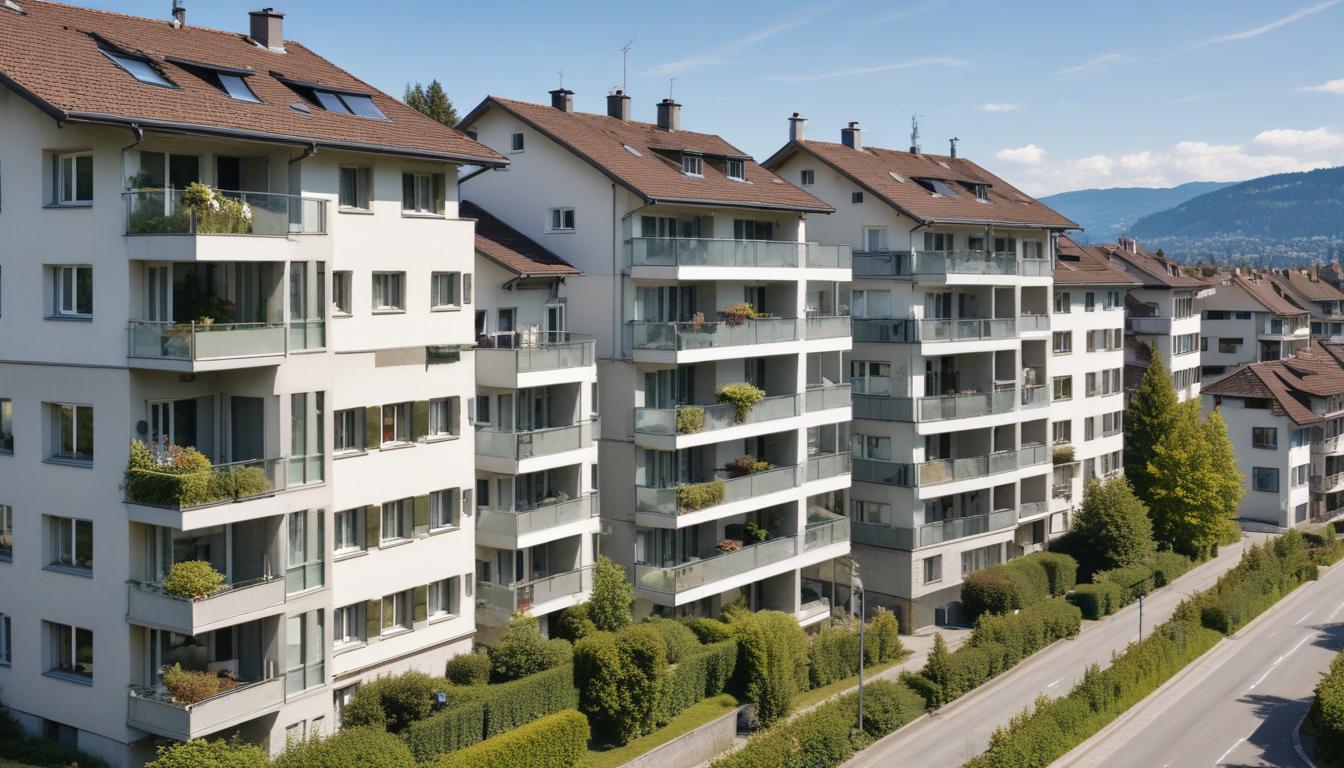
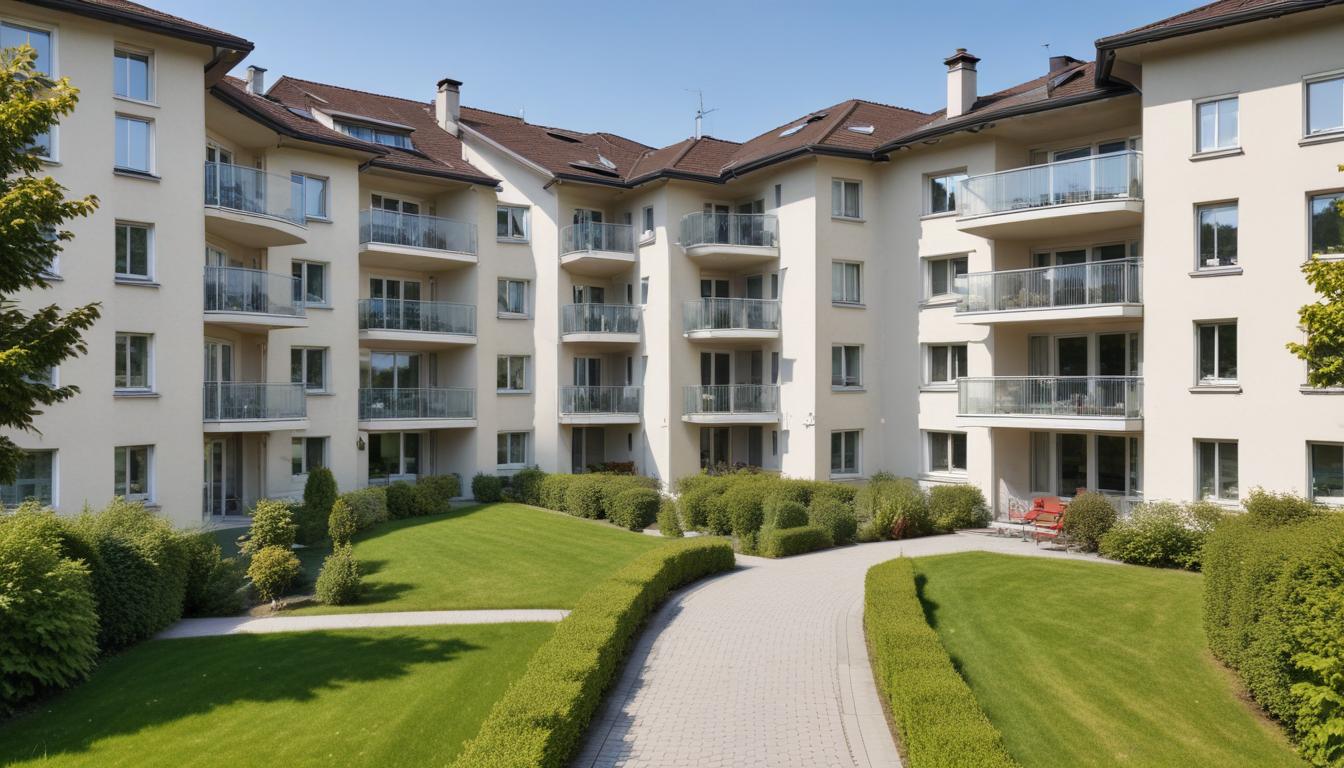
First-time buyers face rental squeeze as landlords tighten Zurich's housing market
Rising rents in Kreis 5 and Seefeld are forcing young renters to delay property purchases, while landlords recalibrate strategies in an increasingly volatile market.
Rising rents in Kreis 5 and Seefeld are forcing young renters to delay property purchases, while landlords recalibrate strategies in an increasingly volatile market.
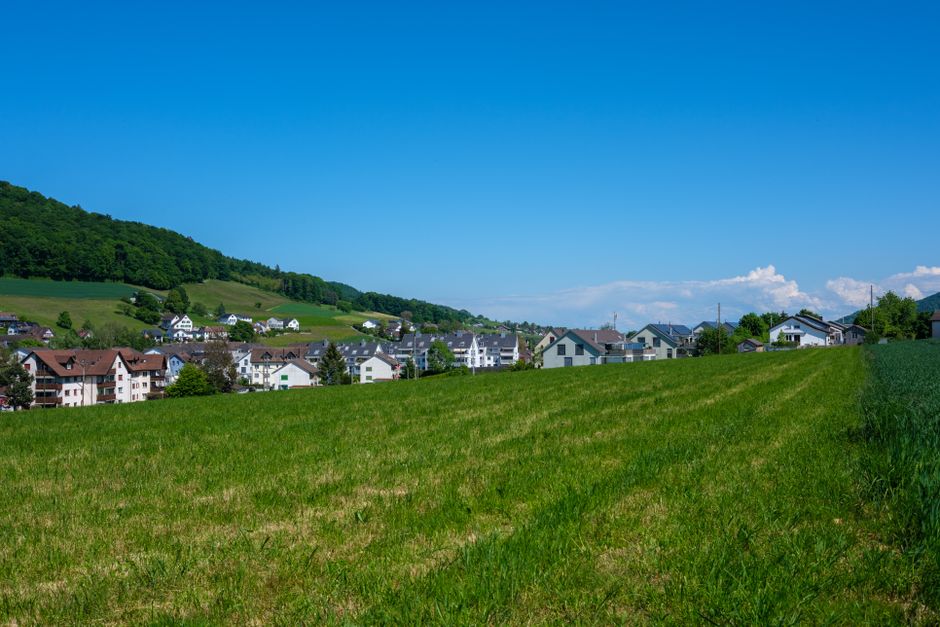
Zurich's rental market has become a hidden battleground for first-time property buyers. As average rents across the city climb—particularly in sought-after neighbourhoods like Kreis 5 and Seefeld—young professionals find themselves caught between mounting monthly payments and the capital requirements needed to enter the property market at CHF 15,000 per square metre.
The mathematics are brutal. A two-room apartment in Wipkingen now commands CHF 2,200–2,500 monthly, consuming 35–40% of a typical professional's gross income. For those saving for a down payment on a CHF 1.2 million Altstetten property, the rental burden has become a genuine obstacle to accumulating the 20% equity most Swiss lenders demand.
Landlords face their own pressures. Rent controls under Zurich cantonal law remain relatively strict compared to neighbouring regions, yet maintenance costs and property taxes continue rising. Many property owners are strategically converting multi-unit buildings into owner-occupied single dwellings or short-term rentals—a trend visible along Europaallee and near the Limmatquai. This reduces the rental supply precisely when first-time buyers most need affordable housing.
The canton's First Home Buyer Grant Scheme offers modest relief: CHF 50,000–100,000 assistance for qualifying purchasers, administered through the Wohnbau department. However, eligibility requires three years of continuous Zurich residency and income thresholds that exclude many higher earners—creating a peculiar middle ground where six-figure salaries disqualify applicants despite genuine affordability challenges.
Some institutional actors are adapting. Housing cooperatives like Baugenossenschaft Zurich continue expanding affordable stock in Aussersihl and Altstetten, though demand vastly outpaces supply. Meanwhile, private lenders increasingly condition mortgages on rental payment history, essentially requiring tenants to prove discipline through perfect payment records before unlocking property finance.
The secondary consequence is acute: tenants trapped in high-rent cycles postpone major life decisions. Marriage, children, and career changes all defer when monthly housing costs leave little discretionary income. Landlords simultaneously observe this demographic stagnation, knowing their tenant pools are ageing renters rather than young buyers on the property ladder's first rung.
For Zurich's government, the problem mirrors national housing policy debates. Without meaningful expansion of first-home-buyer grants or stronger rental controls, the city risks calcifying into a two-tier market: elderly owner-occupiers and trapped renters, with fewer young households able to transition between them. That structural imbalance ultimately weakens market dynamism across all property segments.
This article was compiled by AI from the sources linked above and screened before publishing. See our editorial standards.
How does this story make you feel?
Spread the word
About this article
Published by The Daily Zurich
Daily brief
Free, in your inbox before 7am. Weekdays.
More in Property