First-Time Buyers Face Reality Check: What Zurich's Investor Yields Actually Reveal
As grant schemes expand across Switzerland, new data shows why rental returns in premium neighbourhoods rarely justify purchase prices for owner-occupiers.
As grant schemes expand across Switzerland, new data shows why rental returns in premium neighbourhoods rarely justify purchase prices for owner-occupiers.
The Zurich property market's paradox is becoming impossible to ignore. While first-time buyers increasingly tap cantonal grants and favourable mortgage rates, investment analysts are quietly asking: at what point does the mathematics simply stop working?
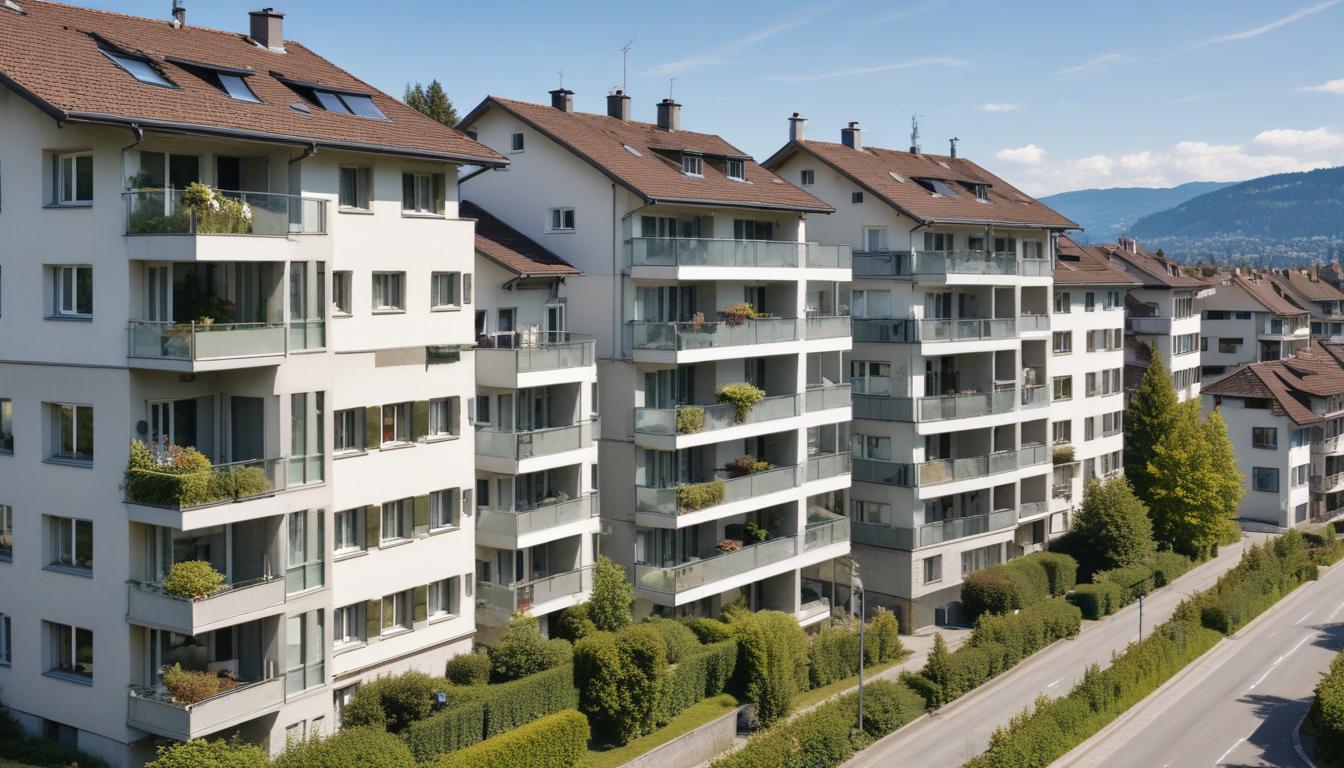
The numbers tell a sobering story. A typical two-bedroom apartment in Seefeld or Enge—the city's most coveted waterfront districts—commands CHF 1.8–2.3 million. Rental yields hover between 2.1 and 2.4 per cent gross. For owner-occupiers, this matters because it reflects the fundamental value the market assigns to these properties. When mortgage rates sit near 1.8–2.2 per cent for ten-year fixed terms, the gap between borrowing cost and rental return narrows dangerously.
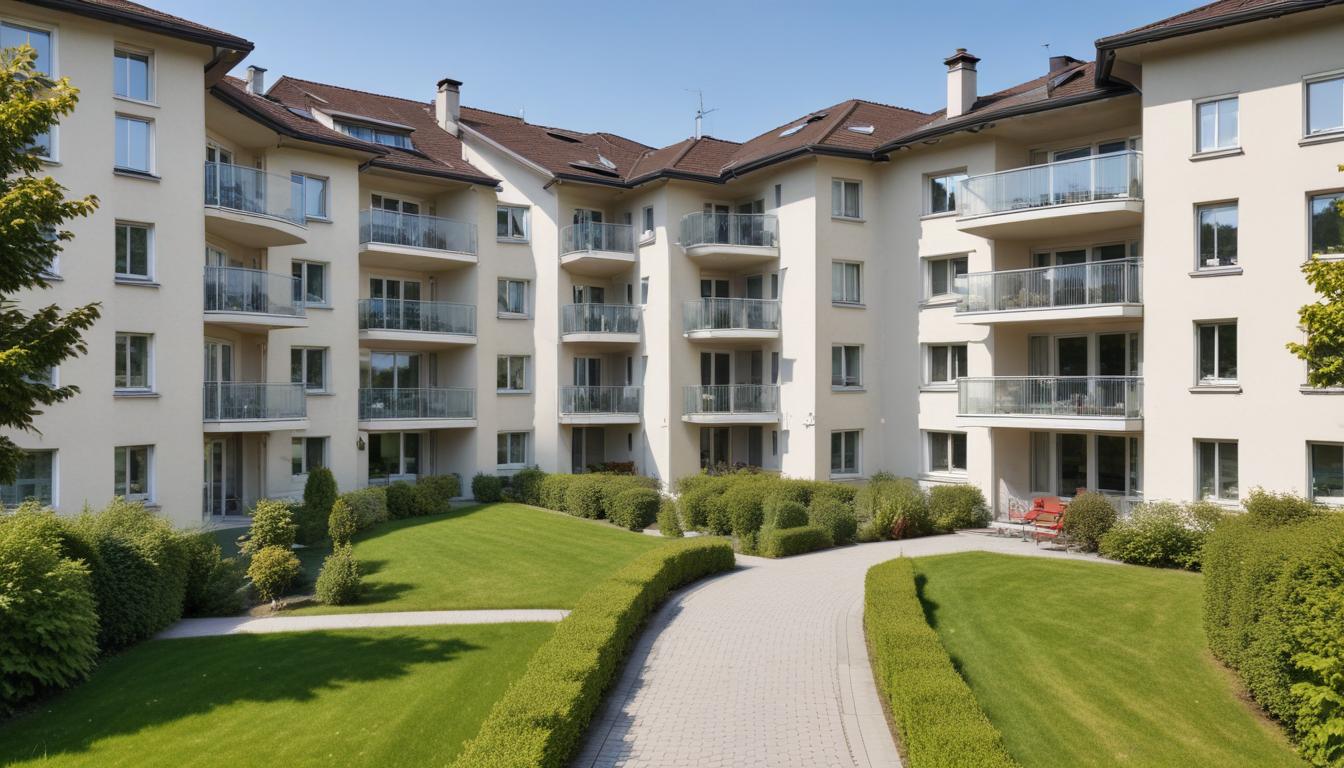
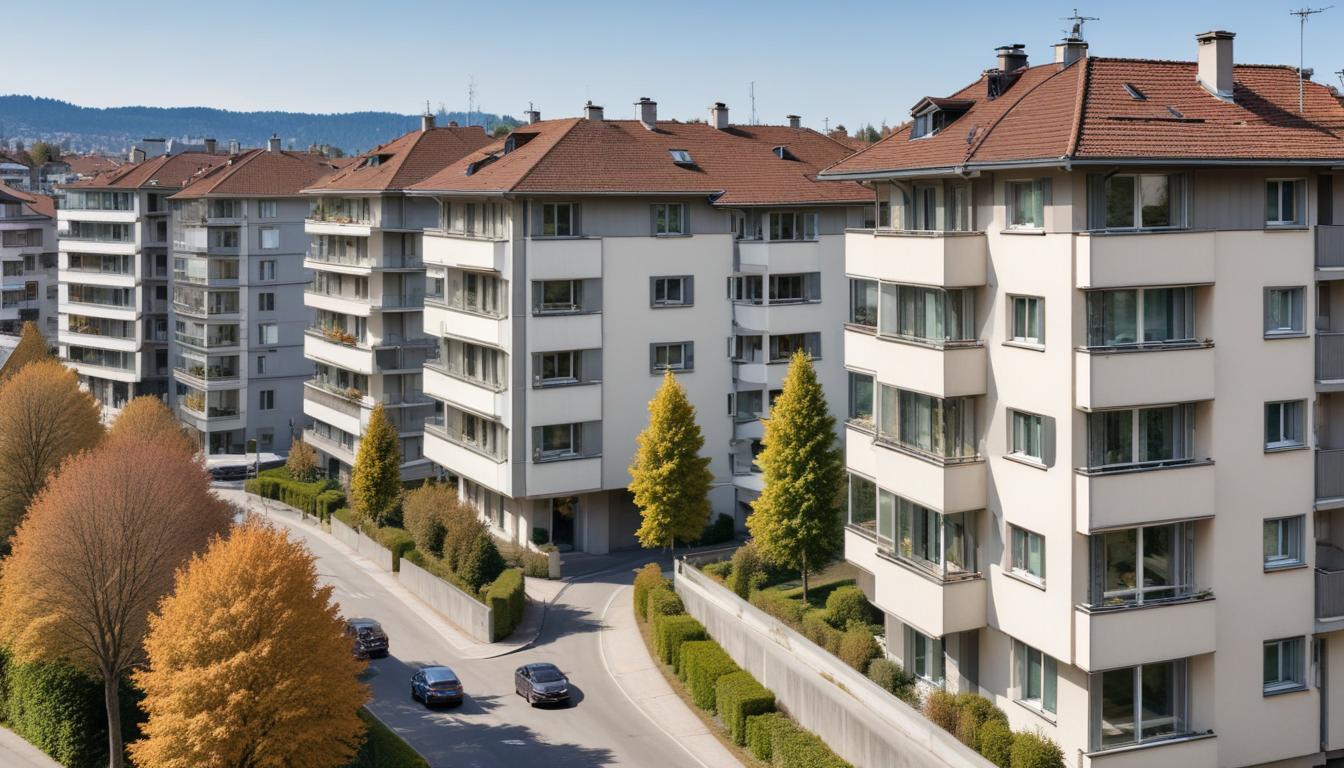
Contrast this with trendier, emerging zones like Kreis 5 and Wipkingen, where CHF 12,000–13,000 per square metre prices yield closer to 3.2–3.8 per cent returns. These neighbourhoods, with their renovated lofts, cultural venues, and proximity to Langstrasse's revitalised dining scene, appeal to younger buyers—precisely those accessing new first-home grants from the cantonal government.
Switzerland's property finance system remains among Europe's most forgiving. Banks routinely require only 10–20 per cent equity, and cantonal programmes now extend down-payment assistance across most regions. Yet these safety nets obscure a deeper issue: they're financing a market where prices have decoupled from underlying rental value.
Data from the Swiss Real Estate Institute shows Zurich's price-to-rent ratio—the number of years' rent needed to equal purchase price—sits at 26–28 in premium areas. Internationally, 15–18 is considered fair value. In Kreis 5, the ratio improves to 22–24, still elevated, but offering marginally better long-term prospects for buyer-investors who plan to occupy and eventually rent out.
The pragmatic strategy emerging among informed first-time buyers: secure a grant-assisted purchase in transition neighbourhoods with stronger yield potential, rather than stretching finances in Seefeld or Enge. A CHF 800,000 property yielding 3.5 per cent generates CHF 28,000 annually; the same capital in a CHF 1.9 million Seefeld apartment yields CHF 40,000—a 42 per cent higher absolute return, but requiring 137 per cent more capital.
For buyers prioritising personal use over investment returns, this analysis matters less. But as Zurich's affordability crisis deepens, first-time buyers are increasingly both—they're betting on homes as wealth stores, not just shelter. Understanding what yields actually reveal about fair value could mean the difference between prudent entry and joining the growing cohort of over-leveraged owners.
This article was compiled by AI from the sources linked above and screened before publishing. See our editorial standards.
How does this story make you feel?
Spread the word
About this article
Published by The Daily Zurich
Daily brief
Free, in your inbox before 7am. Weekdays.
More in Property