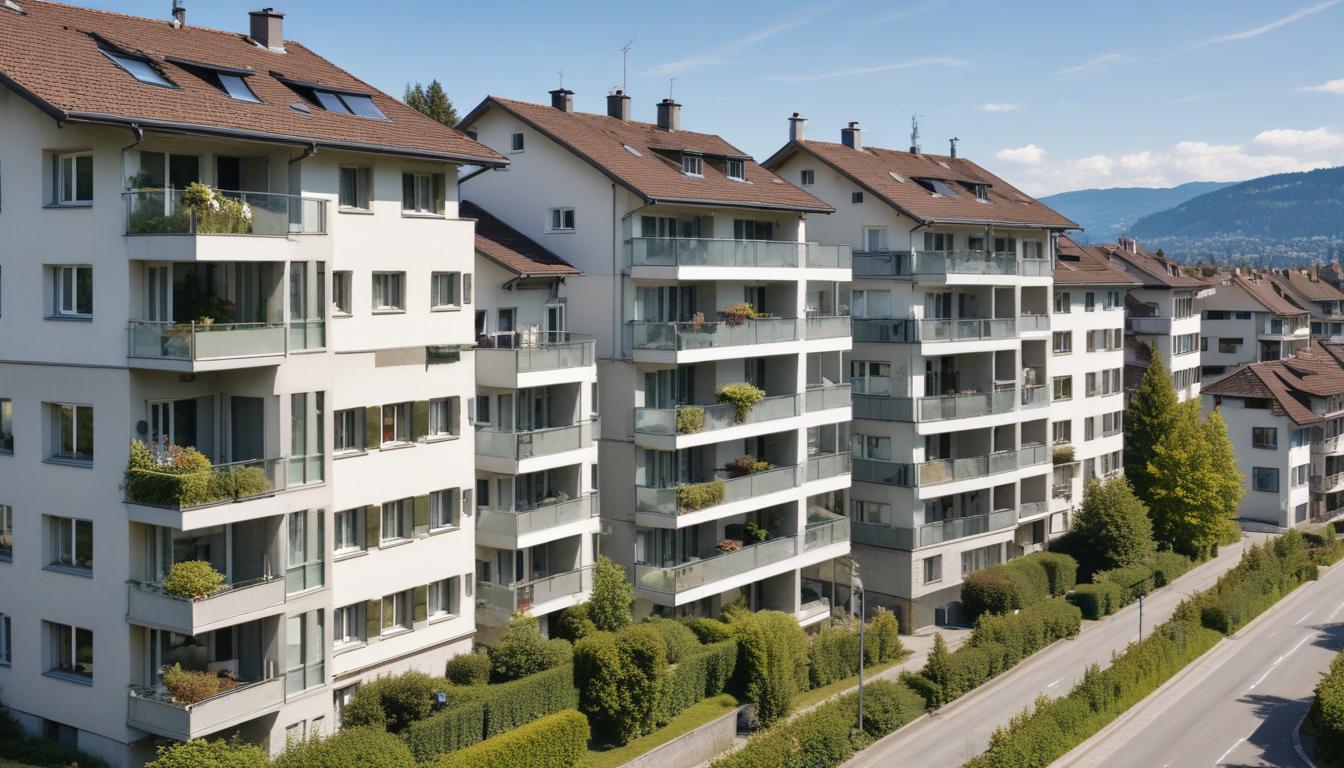
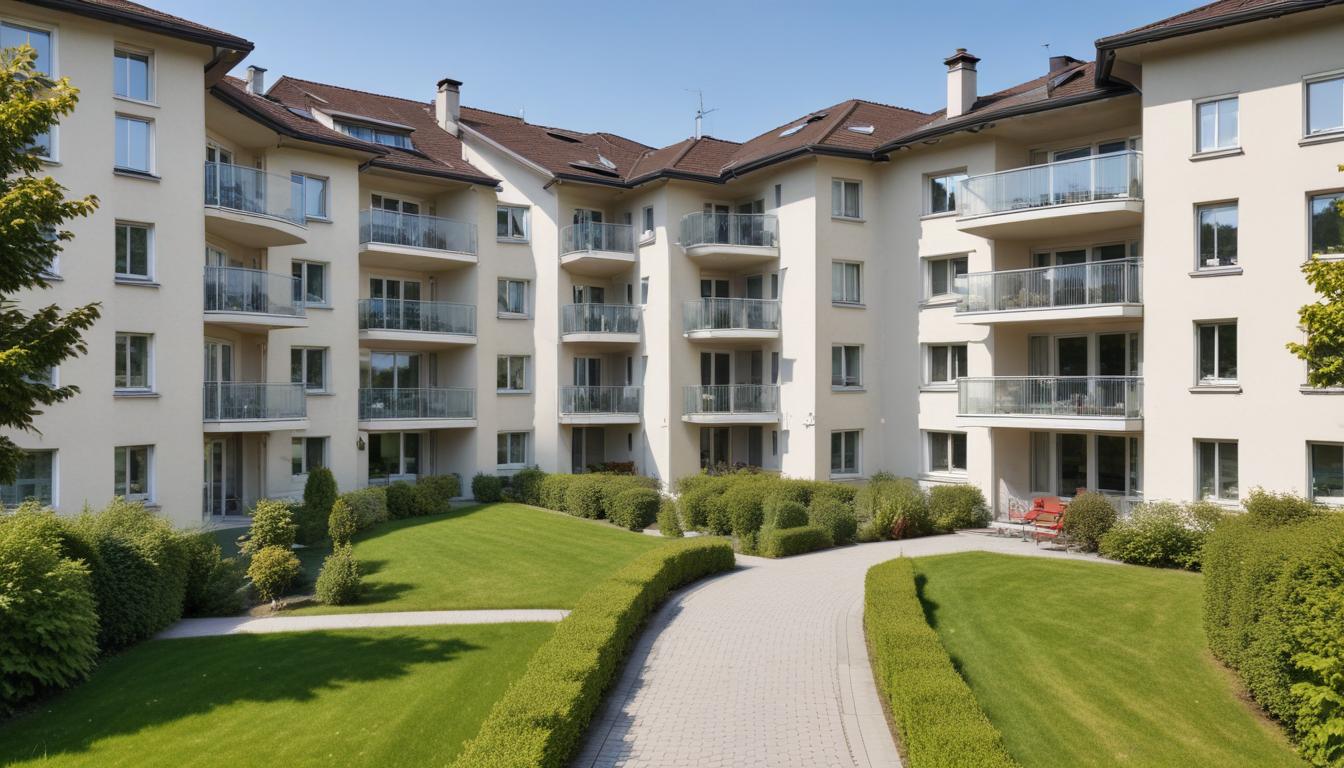
The tension is palpable on Bahnhofstrasse and beyond. Zurich's rental market has tightened so dramatically that landlords are fielding dozens of applications for single apartments, while tenants camp outside viewings in Seefeld and Enge, hoping to secure a lease before it vanishes. The shift reflects a broader imbalance: vacancy rates have fallen to barely 0.3 per cent across the canton, the lowest in over a decade, leaving almost no breathing room for either party.
At an average of CHF 2,850 per month for a two-bedroom apartment in central Zurich neighbourhoods, rents have climbed roughly 12 per cent since 2023—outpacing nominal wage growth and straining household budgets. In premium waterfront zones, monthly rents now exceed CHF 4,500 for comparable space. For landlords, the mathematics initially appear favourable: property yields have improved as rents rise faster than the CHF 15,000 per square metre purchase price baseline. Yet this advantage masks deeper friction.
Tenant advocacy groups report a marked shift in rental practices. Landlords increasingly demand higher deposits, longer lease commitments, and proof of income at ratios once considered aggressive—typically 3.5 times monthly rent. In Wiedikon and Kreis 5, where young professionals and international workers concentrate, competition has bred informal screening practices that skirt legal boundaries. Meanwhile, tenants face diminishing negotiating power; the traditional Swiss understanding of rental stability feels quaint when 40 applicants queue for a three-room flat in Wipkingen.
The affordability crisis ripples outward. Service workers, teachers, and mid-career professionals increasingly commute from Zug, Aargau, or outlying zones, reversing decades of urban density trends. This dispersal pressurises peripheral markets and extends commute times, contradicting Zurich's compact-city planning goals.
For landlords, the apparent windfall carries hidden costs. Rapid turnover inflates maintenance and vacancy management expenses. Tenant quality concerns—and the legal complexity of evictions—mean many opt for longer-term relationships over maximum rent extraction. Forward-thinking property owners are instead investing in renovations and amenities to justify premium positioning, particularly in neighbourhoods like Aussersihl where gentrification creates both opportunity and resentment.
The question facing policymakers isn't whether intervention is needed—it's what form it should take. Zurich's cantonal government has resisted rent controls, citing supply constraints as the root problem. Until new construction meaningfully increases available units, the rental market will remain a zero-sum contest where one party's gain is the other's loss.
This article was compiled by AI from the sources linked above and screened before publishing. See our editorial standards.