Zurich's property market has long moved at the pace of its planning committees. But a quietly significant policy overhaul is accelerating development approvals across the city, with measurable consequences for supply, pricing, and neighbourhood transformation.
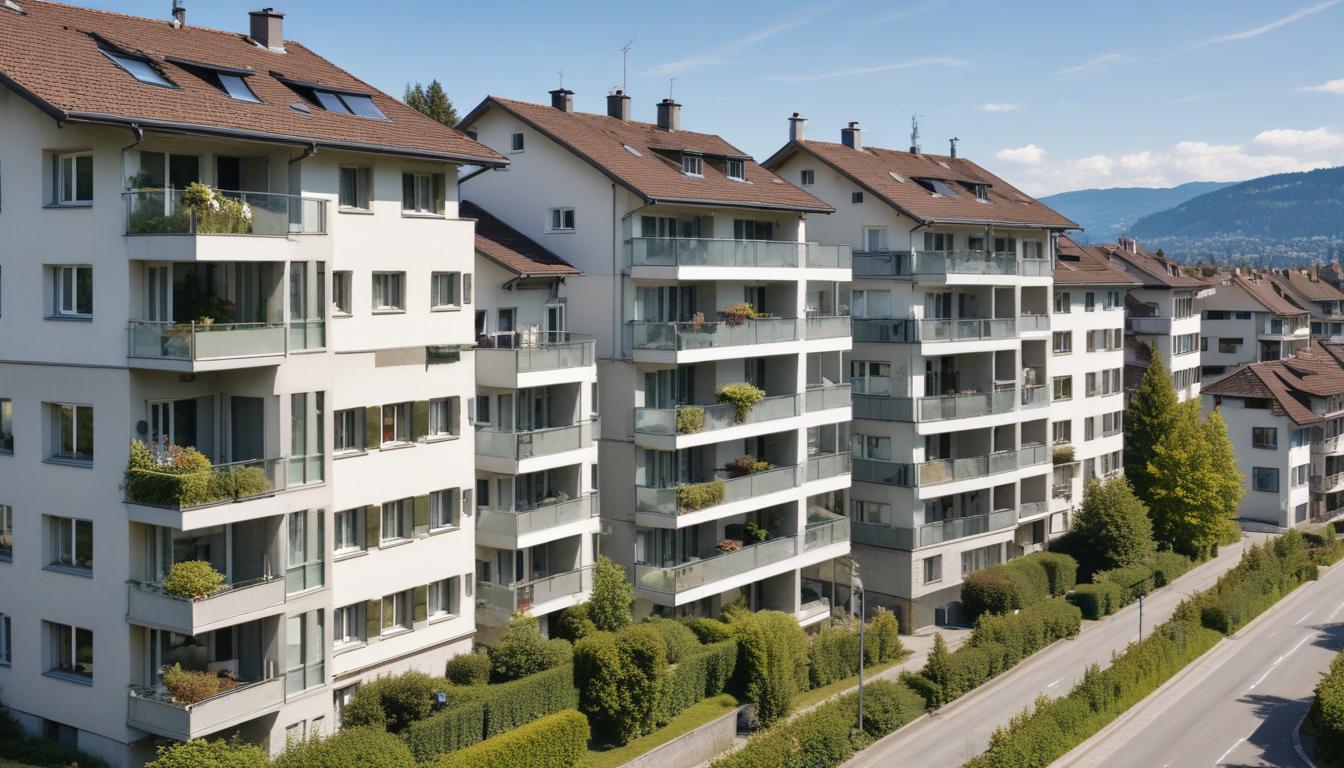
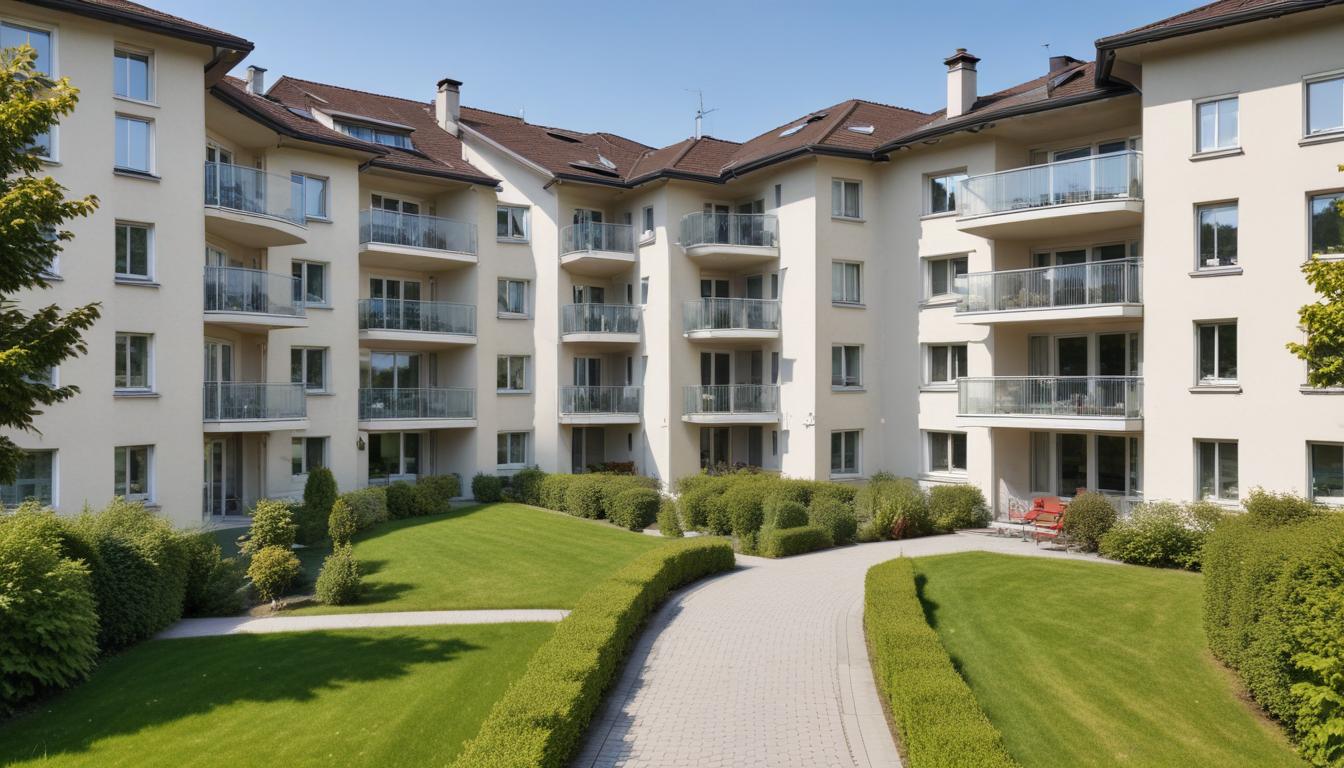
In March, the City Council implemented revised planning guidelines designed to compress approval timelines from 18–24 months to 12–16 months for standard residential projects. The shift targets mid-rise developments (5–8 storeys) in mixed-use zones, particularly in Kreis 5 and Kreis 6, where land pressure and zoning constraints have historically stalled projects.
Real estate agents report immediate effects. Three significant residential schemes—totalling approximately 280 units—received building permits in the second quarter alone, compared to an average of two per quarter last year. One Wiedikon project on Badenerstrasse, earmarked for 45 apartments averaging CHF 1.2m, moved from preliminary design to final approval in nine months.
The policy change also reflects a softer stance on density waivers. Previously, developers seeking to exceed standard plot-ratio limits faced lengthy cantonal reviews. Now, projects demonstrating compliance with climate targets or affordable housing contributions (typically 15–20% of units) navigate expedited approval paths. This has unblocked several Aussersihl conversions of former industrial sites along the Sihl.
Market analysts suggest the reforms may moderately ease Zurich's chronic supply shortage. The city averaged 2,400 completed residential units annually over the past decade—well below the estimated 3,500 needed to stabilise prices. Current CHF 15,000 per square metre averages mask stark disparities: Seefeld waterfront properties command CHF 20,000+, while Wiedikon and Altstetten trade closer to CHF 12,000.
However, critics warn the accelerated framework may privilege larger developers with in-house legal capacity over smaller firms, potentially concentrating land acquisition among established players. Additionally, environmental groups have scrutinised whether compressed timelines adequately assess green-space trade-offs and transport infrastructure readiness.
The Zurich Chamber of Construction and the cantonal planning authority remain cautiously optimistic. Officials note that streamlined processes don't lower standards—they reduce bureaucratic friction. Public consultation periods remain mandatory; heritage protections in districts like Kreis 1 remain unchanged.
As six further projects enter the pipeline under the new regime, all eyes remain on whether faster approvals translate to genuinely affordable supply, or simply accelerate price appreciation in already-competitive zones. By 2027, the data will tell.
This article was compiled by AI from the sources linked above and screened before publishing. See our editorial standards.