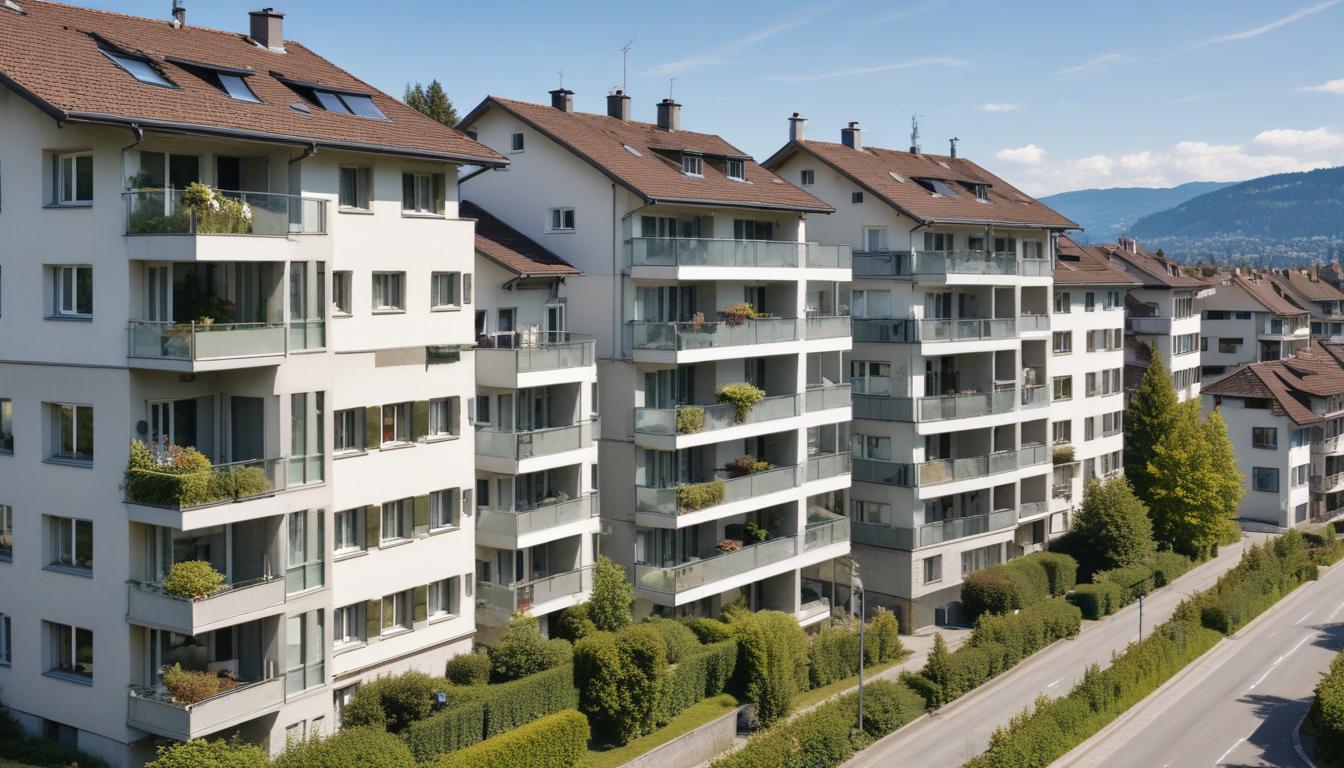
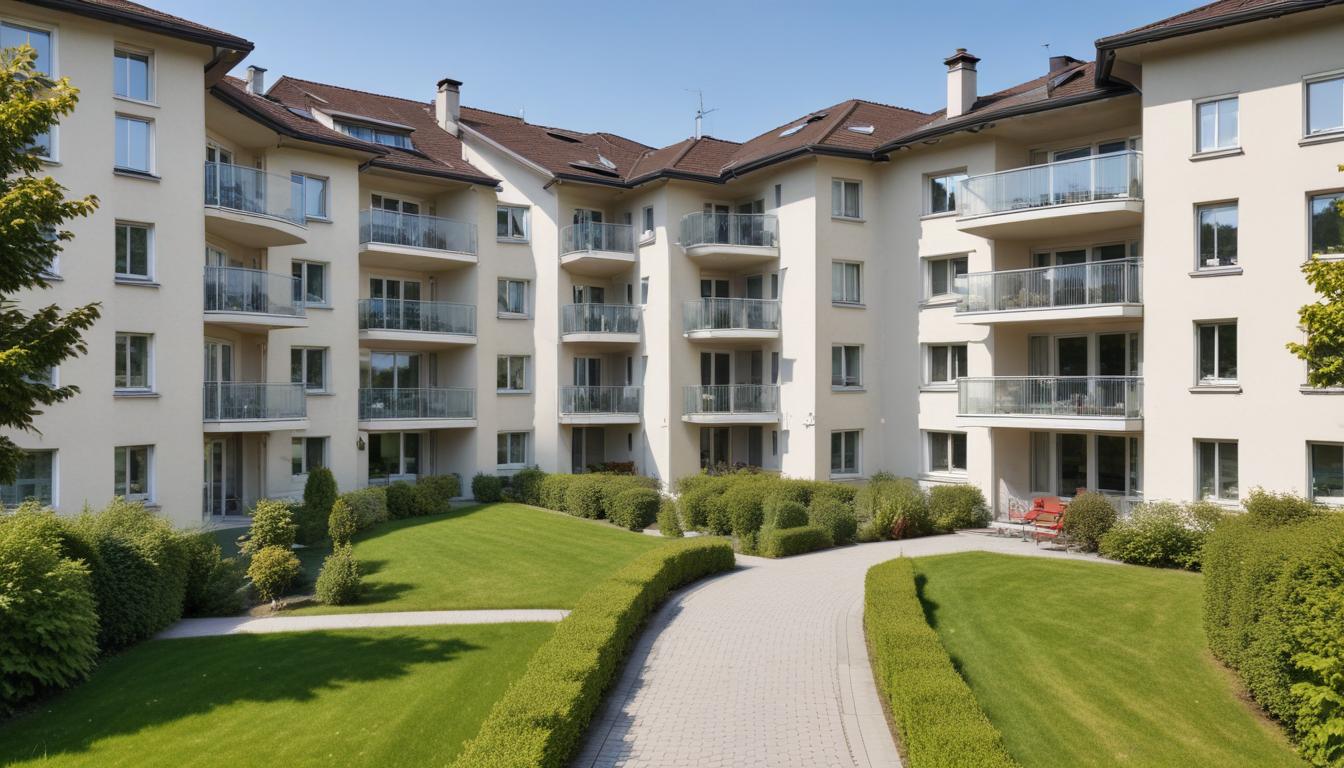
Wipkingen has spent the last decade reinventing itself. Once dismissed as industrial and rough around the edges, Kreis 5's former workshop quarter morphed into the city's creative heartland—galleries, craft breweries, and design studios now line streets that once hummed with factory machinery. But success has a price: rents have tripled in fifteen years, and young families are fleeing to Oerlikon or beyond.
This summer, three significant affordable housing projects broke ground in rapid succession, signalling that Zurich's housing authorities and developers are finally stepping in. The most visible is the 147-unit mixed-income complex near the Limmatplatz U6 station, where approximately 40% of units will be capped at CHF 1,850 monthly rent—roughly 35% below market rate for comparable two-bedroom units in the area. A second development on Gewerbstrasse will add 89 units, with 60% designated as social housing under the canton's building cooperatives model.
What makes these projects locally significant isn't just volume; it's integration. The Limmatplatz development includes ground-floor retail and a community kitchen managed by the Quartierverein Wipkingen, directly addressing neighbourhood concerns that gentrification was eroding local character. The scheme also mandates 25% of units for households earning under CHF 55,000 annually—a meaningful threshold in a city where median household income hovers around CHF 120,000.
The third project, a conversion of an abandoned textile factory on Badenerstrasse into 124 artist live-work spaces, represents an experimental model. Rents are pegged to artist incomes, acknowledging that Wipkingen's cultural identity depends on keeping creators here. It's a bet that affordable housing and neighbourhood soul aren't mutually exclusive.
Industry observers note the timing matters. Zurich's overall vacancy rate sits at just 0.7%—dangerously tight by any measure. These three developments will deliver roughly 360 new units over 36 months, a meaningful injection. Yet against annual housing demand of roughly 4,000 units city-wide, they're a partial answer to a structural problem.
The real test lies ahead. Will Wipkingen remain a neighbourhood for artists, young families, and workers, or become another Seefeld—where waterfront penthouses command CHF 25,000 per square metre and locals are museum pieces? These three projects suggest the city is at least asking the question seriously. How it answers will shape Zurich's character for a generation.
This article was compiled by AI from the sources linked above and screened before publishing. See our editorial standards.