Reimagining Zurich's Fringe: How New Developments Are Reshaping Affordable Neighbourhoods
Large-scale regeneration projects on the city's periphery promise to unlock value in overlooked districts—but at what cost to character and accessibility?
Large-scale regeneration projects on the city's periphery promise to unlock value in overlooked districts—but at what cost to character and accessibility?
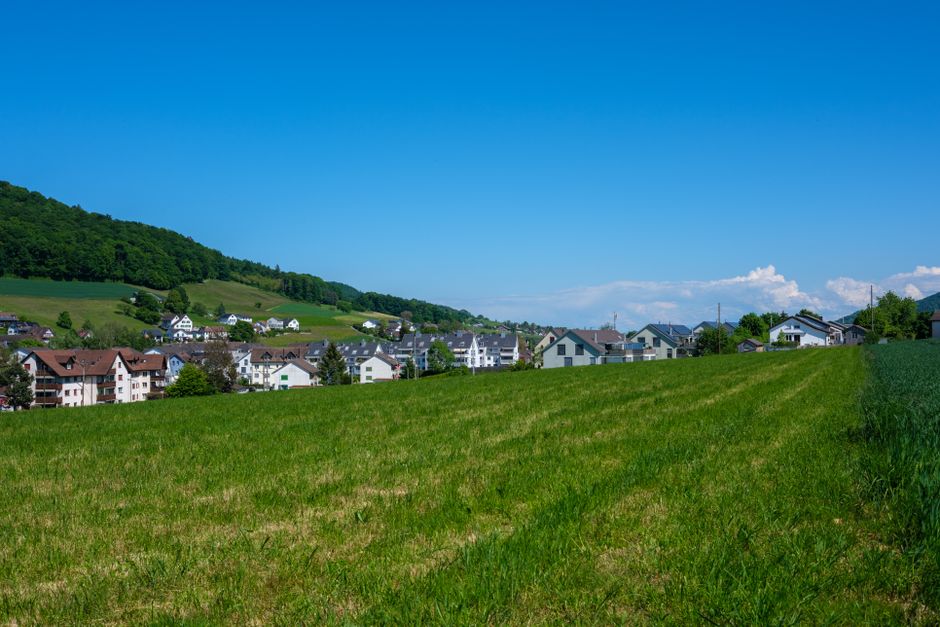
The transformation of Zurich's suburban ring is accelerating. While central districts like Seefeld command CHF 18,000–22,000 per square metre, emerging development clusters in Altstetten, Oerlikon, and Wiedikon are attracting serious institutional investment—signalling a quiet reshuffling of the city's residential geography.
The most significant catalyst is the coordinated regeneration of industrial lands along the Limmat's left bank. Former manufacturing zones near Altstetten's Europaallee are now home to mixed-use schemes combining residential towers, office space, and public parks. Early units have sold in the CHF 12,000–14,500/sqm range—a 30% premium over comparable existing stock in the district just three years ago. The Zurich Development Authority has zoned additional parcels between the Selnau train station and the Sihl confluence for similar purposes, with planning approvals expected by late 2026.
Oerlikon, long dismissed as purely industrial, is experiencing parallel momentum. The Glatt Valley corridor—historically dominated by factories and logistics—now hosts residential and creative office conversions that are fundamentally altering neighbourhood character. Property registrations show a 45% rise in transactional volume year-on-year. Proximity to the Glattalbahn rapid transit system and recent opening of the Zurich Oerlikon cultural quarter have repositioned the area among investors seeking value-play exposure before comparable prices align with citywide medians.
Yet not all observers welcome the pace. Community groups in Wiedikon, where a 12-hectare site near the Irchelpark is earmarked for 800 residential units by 2029, have raised concerns about affordable housing quotas. Current planning mandates only 25% of new units for households earning below city median income—down from 35% in earlier iterations. The Zurich Housing Association has called for stronger protections, though cantonal regulators have prioritised development velocity.
The deeper question for investors: are these neighbourhoods fundamentally repositioning, or experiencing temporary speculation before consolidation? Historical patterns suggest caution. Wiedikon's CHF 11,500/sqm baseline is still 23% below Kreis 5 averages; Altstetten similarly trades at a structural discount despite its Europaallee catalyst. Developers and institutional funds betting on mean reversion assume sustained economic growth, continued immigration, and persistent housing scarcity—assumptions that merit scrutiny in a market where regulatory tightening and mortgage costs remain headwinds.
For property investors, the verdict is mixed. Early-stage exposure to projects with solid transport links and municipal backing can generate mid-to-long-term returns. But overpaying for unproven neighbourhood trajectories remains a classic Swiss property mistake.
This article was compiled by AI from the sources linked above and screened before publishing. See our editorial standards.
How does this story make you feel?
Spread the word
About this article
Published by The Daily Zurich
Daily brief
Free, in your inbox before 7am. Weekdays.
More in Property