Zurich's luxury property market has long operated at the rarefied altitude of CHF 15,000 per square metre on average, but the current pipeline of prestige developments suggests the city's wealthiest neighbourhoods are preparing for a vertical leap. Three major projects—clustered around the Seefeld waterfront and adjacent Enge district—are poised to redefine what "ultra-premium" means in Switzerland's most expensive city.
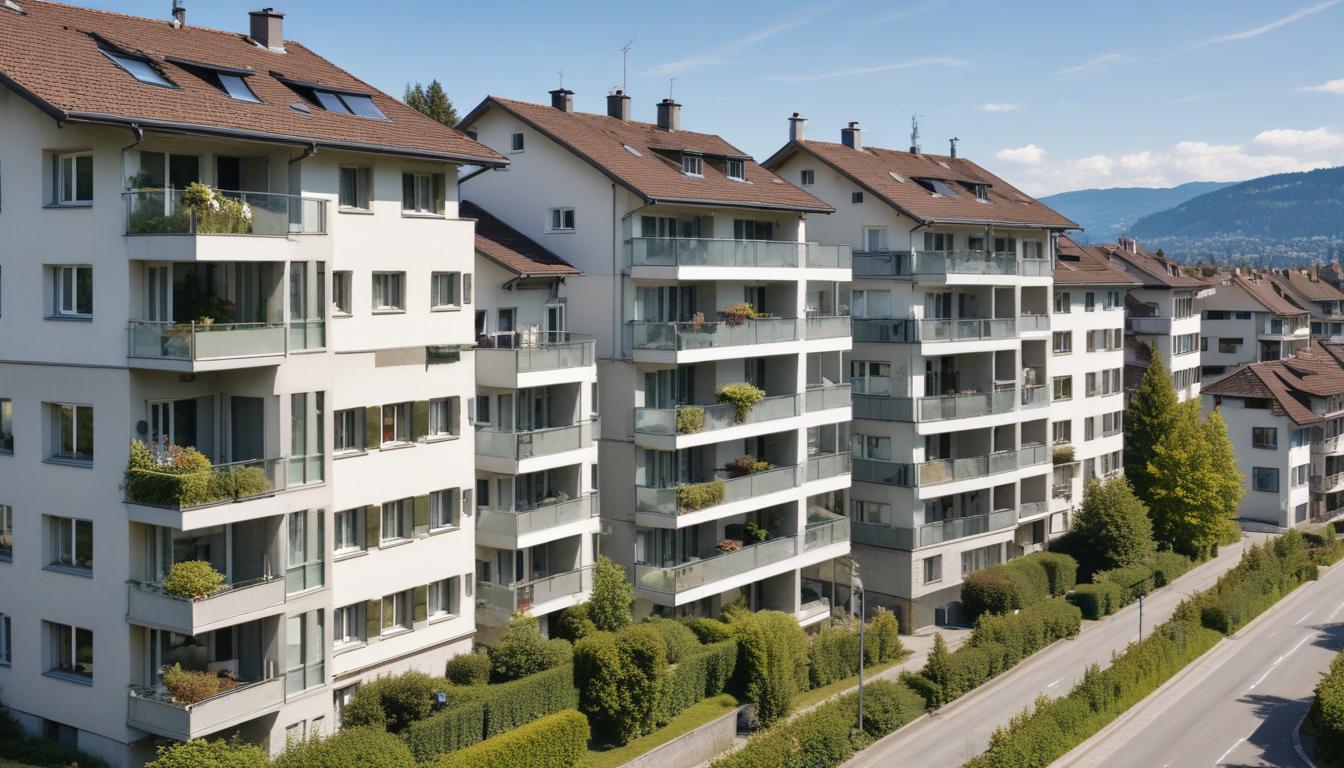
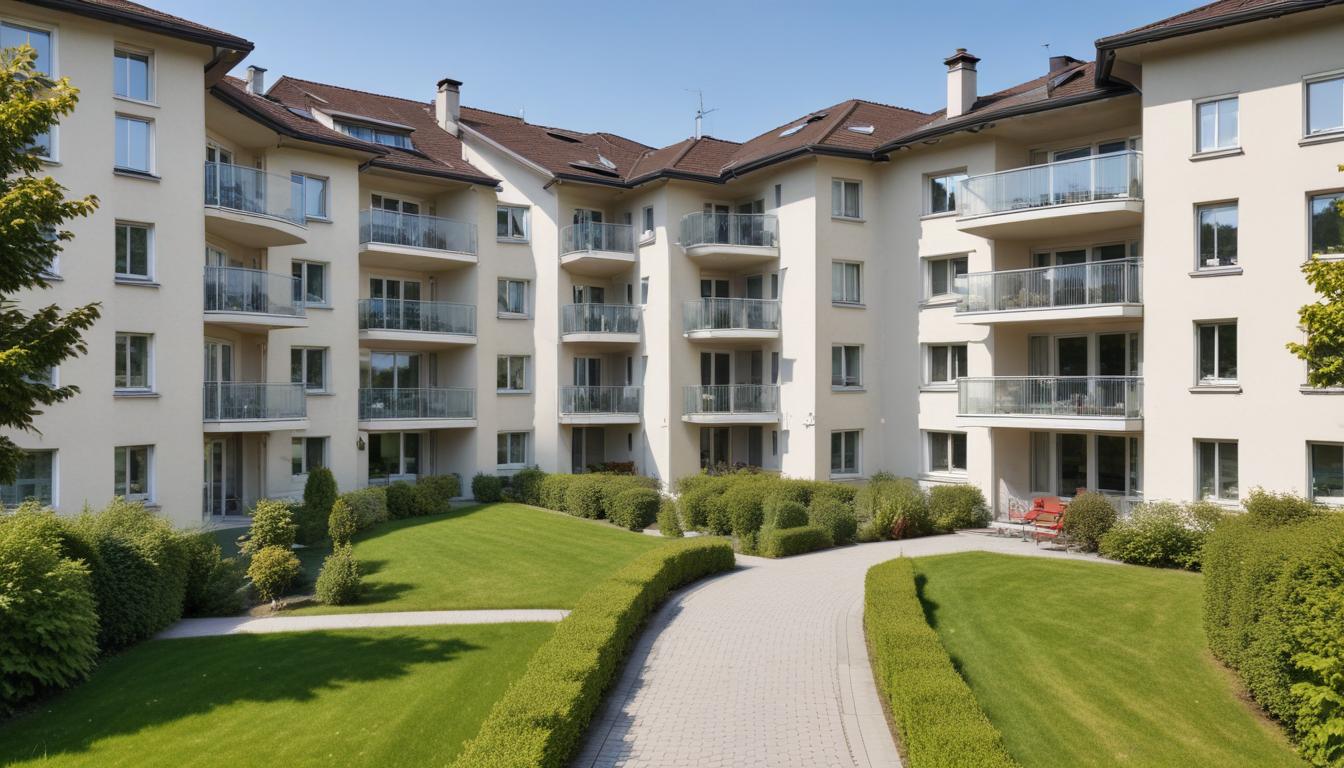
The architectural ambitions are unmistakable. Mixed-use complexes now rising near the Zürichhorn promise penthouses with private spa facilities, wine cellars, and lakefront terraces commanding views across the Zürichsee. One project, anchored on Mythenschloss, combines 45 residential units with a members-only wellness centre and underground parking for 70 vehicles—a telling detail in a neighbourhood where every square metre commands premium pricing. Preliminary marketing materials suggest entry prices exceeding CHF 8 million for corner units.
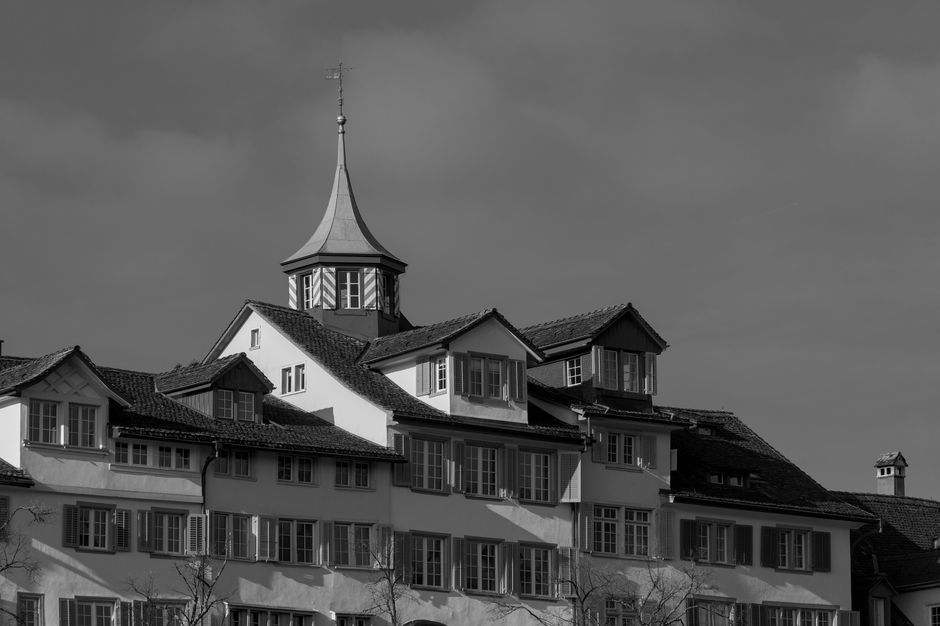
For the broader Seefeld-Enge precinct, these developments represent both opportunity and tension. Historically, the neighbourhoods have maintained an exclusive but understated character—tree-lined Seefeldstrasse and the quieter reaches around Blatterwiese have attracted established wealth over flashy new money. But new construction is changing the demographic calculus. Property agents report surging interest from international buyers: Russian oligarchs, Middle Eastern family offices, and Asian tech wealth now comprise nearly 40% of inquiries for units above CHF 6 million in the district, according to local market data.
The implications extend beyond real estate prices. Seefeld's restaurant scene—long anchored by institutions like Petermann's Kulinarik—now competes with rooftop lounges and private dining suites in newly completed residential towers. Neighbourhood schools and infrastructure face pressure to accommodate wealthier families with different service expectations. Meanwhile, the few remaining affordable rental units in Enge continue to disappear, pushing middle-income residents eastward toward Wiedikon and Kreis 5.
Yet not all observers view this transformation negatively. Urban planners note that high-density luxury development, when architecturally thoughtful, can preserve green space better than sprawling villas. The new lakefront projects on Seefeldquai incorporate public promenade improvements and enhanced pedestrian access—a rare concession to the broader city.
By 2028, when these developments reach completion, Seefeld may look unrecognisably polished. Whether that translates to prestige or homogenisation remains Zurich's most pressing property question.
This article was compiled by AI from the sources linked above and screened before publishing. See our editorial standards.