Zurich's Yield Squeeze: What Property Returns Really Tell Investors
As prices climb past CHF 15,000 per square metre, rental yields in Switzerland's most expensive market are telling a sobering story.
As prices climb past CHF 15,000 per square metre, rental yields in Switzerland's most expensive market are telling a sobering story.
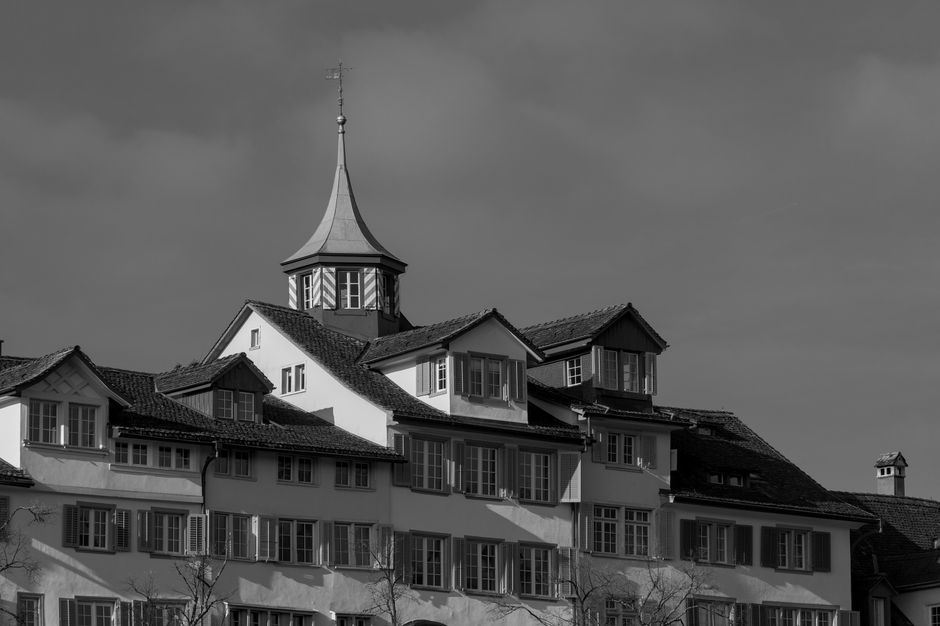
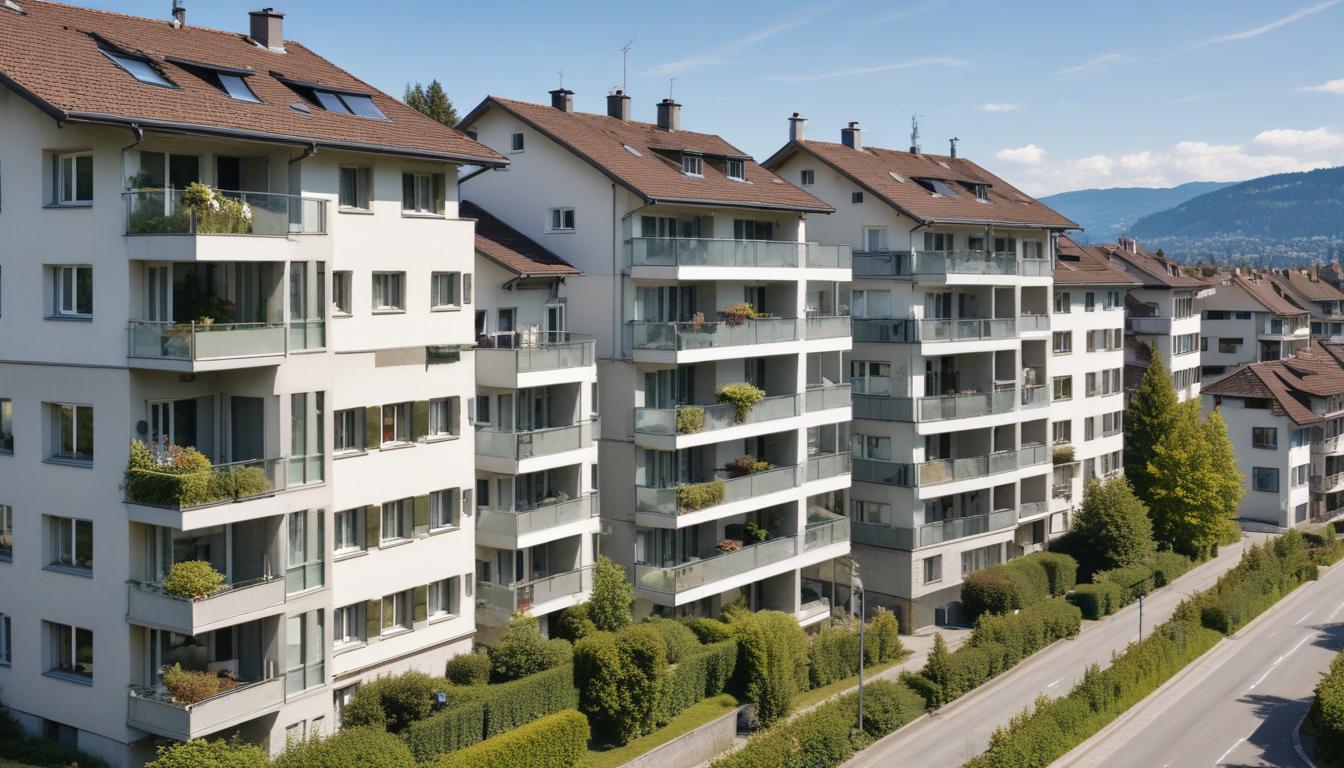
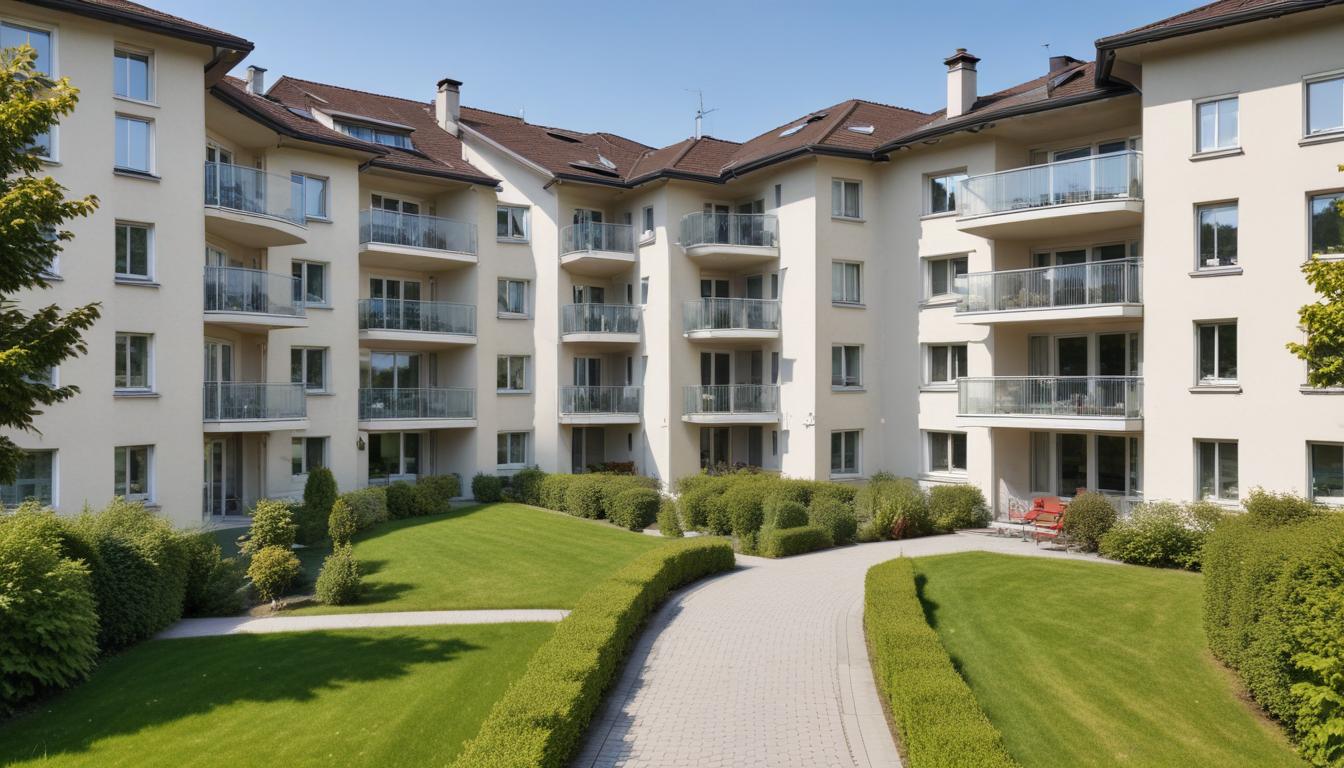
Zurich's property market has long attracted global capital, but a widening gap between purchase prices and rental income is forcing investors to rethink their arithmetic. At an average of CHF 15,000 per square metre—the continent's highest—the city's yield profile has become increasingly challenging for those seeking tangible annual returns.
In prestigious postcodes like Seefeld and Enge, where waterfront apartments regularly exceed CHF 2.5 million, gross rental yields hover between 1.8 and 2.2 percent. This means an investor purchasing a CHF 2 million property can expect roughly CHF 36,000 to 44,000 in annual rent—before maintenance, property taxes, and insurance are deducted. Net yields often fall below 1 percent once these costs are factored in, a reality that has prompted many institutional investors to redeploy capital to secondary Swiss cities or Alpine resort towns where yields stretch toward 3 percent.
The story is marginally better in emerging neighbourhoods. Kreis 5 and Wipkingen, which have transformed into creative and residential hubs over the past decade, offer slightly more competitive returns at 2.3 to 2.6 percent gross. Yet even here, the pressure is mounting. A one-bedroom apartment on Birmensdorferstrasse or near the Volta assembly spaces now commands CHF 700,000 to 900,000, with monthly rents typically capping at CHF 1,800 to 2,000.
Market data from the past eighteen months reveals an uncomfortable truth: Zurich's property appreciation has decoupled from rental growth. Prices rose 3.2 percent annually over the past two years, while residential rents increased just 1.1 percent. This compression is particularly acute given Switzerland's famously strict rental regulations, which cap annual increases and require demonstrable cause for raising rents above the reference rate set by the Swiss National Bank.
For traditional buy-to-let investors, this environment demands a longer-term perspective. Many now view Zurich properties primarily as store-of-value assets rather than income generators, banking on medium-term capital appreciation and the city's persistent appeal as a global financial hub. Others are exploring mixed-use opportunities: developers converting older office stock in Wiedikon and the industrial zones near Aussersihl into residential units where better economics can be engineered from the outset.
The verdict is clear: Zurich remains a seller's market and a sanctuary for wealth preservation, but it has become decidedly unfriendly to yield-hunting investors. Those still acquiring properties here must accept single-digit returns and adjust expectations accordingly.
This article was compiled by AI from the sources linked above and screened before publishing. See our editorial standards.
How does this story make you feel?
Spread the word
About this article
Published by The Daily Zurich
Daily brief
Free, in your inbox before 7am. Weekdays.
More in Property