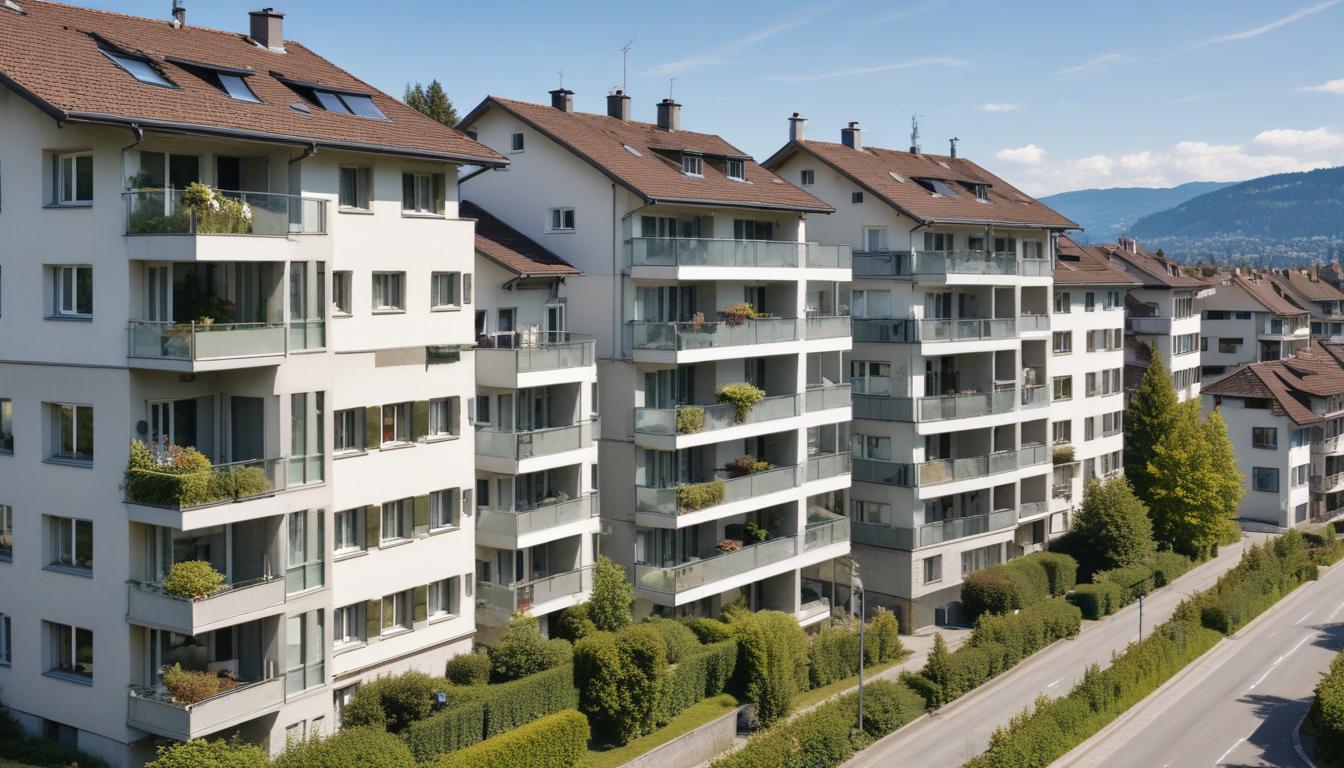
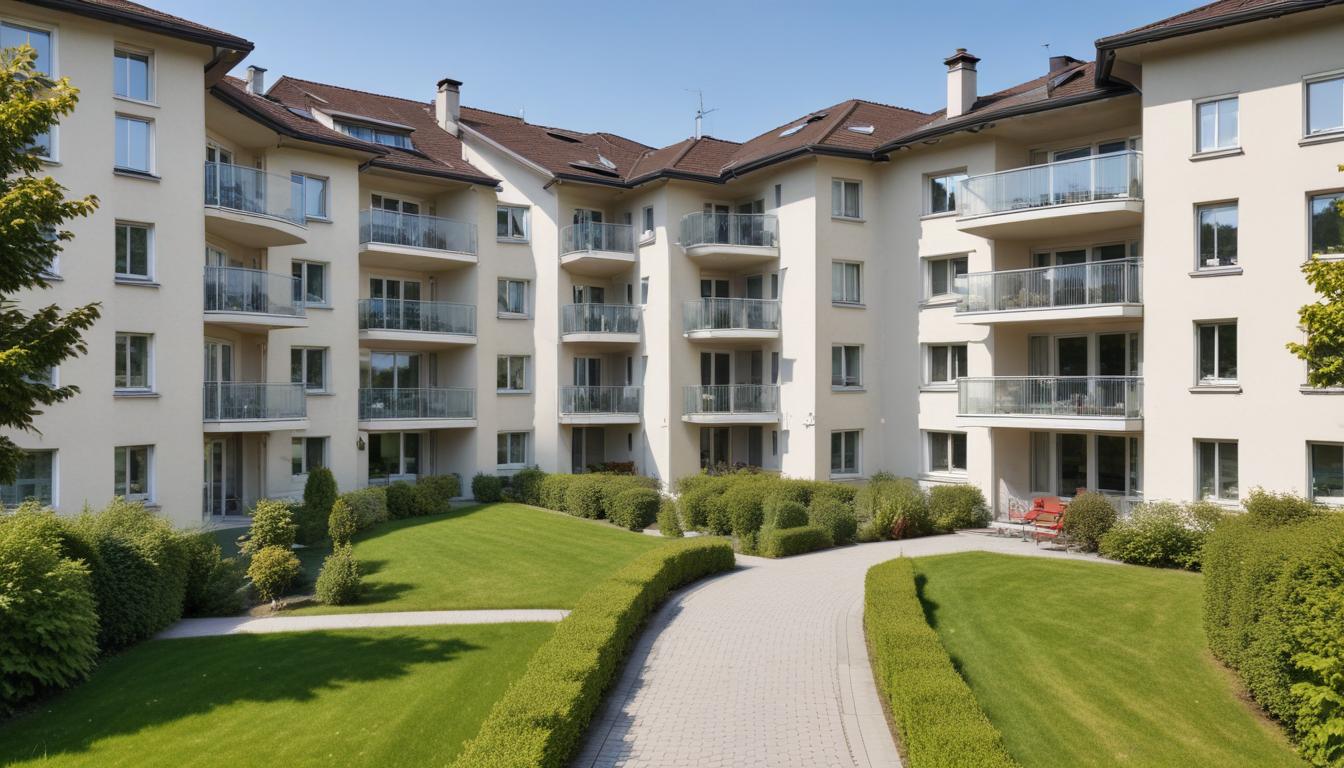
The Zurich rental market has reached an inflection point. With average residential property values hovering around CHF 15,000 per square metre and vacancy rates hovering below 1.5 per cent in premium areas like Seefeld and Enge, the relationship between landlord and tenant has become increasingly asymmetrical—and increasingly fractious.
For property investors, the mathematics are unforgiving. A typical two-bedroom apartment in Wipkingen, now one of the city's hottest neighbourhoods, commands CHF 2,200 to CHF 2,600 monthly rent. Against a purchase price of CHF 1.2 to 1.4 million, that yields barely 2 to 2.2 per cent gross—before maintenance, insurance, and cantonal taxes. For comparison, Swiss government bonds currently offer yields approaching 1.5 per cent with zero liability risk.
"The investment case for buy-to-let has fundamentally weakened," explains the Zurich real estate market analysis. Older landlords are quietly exiting the rental sector, converting properties to owner-occupancy or selling to developers. Younger investors, meanwhile, face regulatory headwinds. Zurich's tenant protection framework, reinforced by recent cantonal legislation, restricts rent increases to inflation plus 0.5 per cent annually—regardless of market conditions. Landlords must provide 90 days' notice, document legitimate reasons for termination, and navigate increasingly assertive tenant advocacy groups.
The casualty? Tenants themselves, paradoxically. With fewer small landlords maintaining older stock, properties are increasingly held by institutional investors or developers. Purpose-built rental complexes in Kreis 5, near Hardbrücke, command premium rents with minimalist leases offering little flexibility. Meanwhile, genuinely affordable units—once common as older landlords accepted modest returns—are disappearing from the market.
The Seefeld waterfront tells the story starkly. A decade ago, modest pre-war apartments attracted long-term resident landlords willing to accept stable, predictable yields. Today, those same buildings trade to investor syndicates seeking repositioning opportunities. Rents spike 20 to 30 per cent upon turnover, displacing established tenants and attracting short-term, high-income occupants.
Industry bodies like the Hauseigentümerverband Kanton Zürich have called for relief from regulatory burdens, arguing current rules discourage maintenance investment and new supply. Tenant advocates counter that loose regulation fuelled affordability crises elsewhere in Europe.
The solution remains elusive. Zurich's housing crisis reflects not landlord-tenant conflict, but supply scarcity. Until the city accelerates residential development—particularly mid-range stock—both camps will remain locked in a zero-sum game, where tighter rental markets benefit nobody durably.
This article was compiled by AI from the sources linked above and screened before publishing. See our editorial standards.