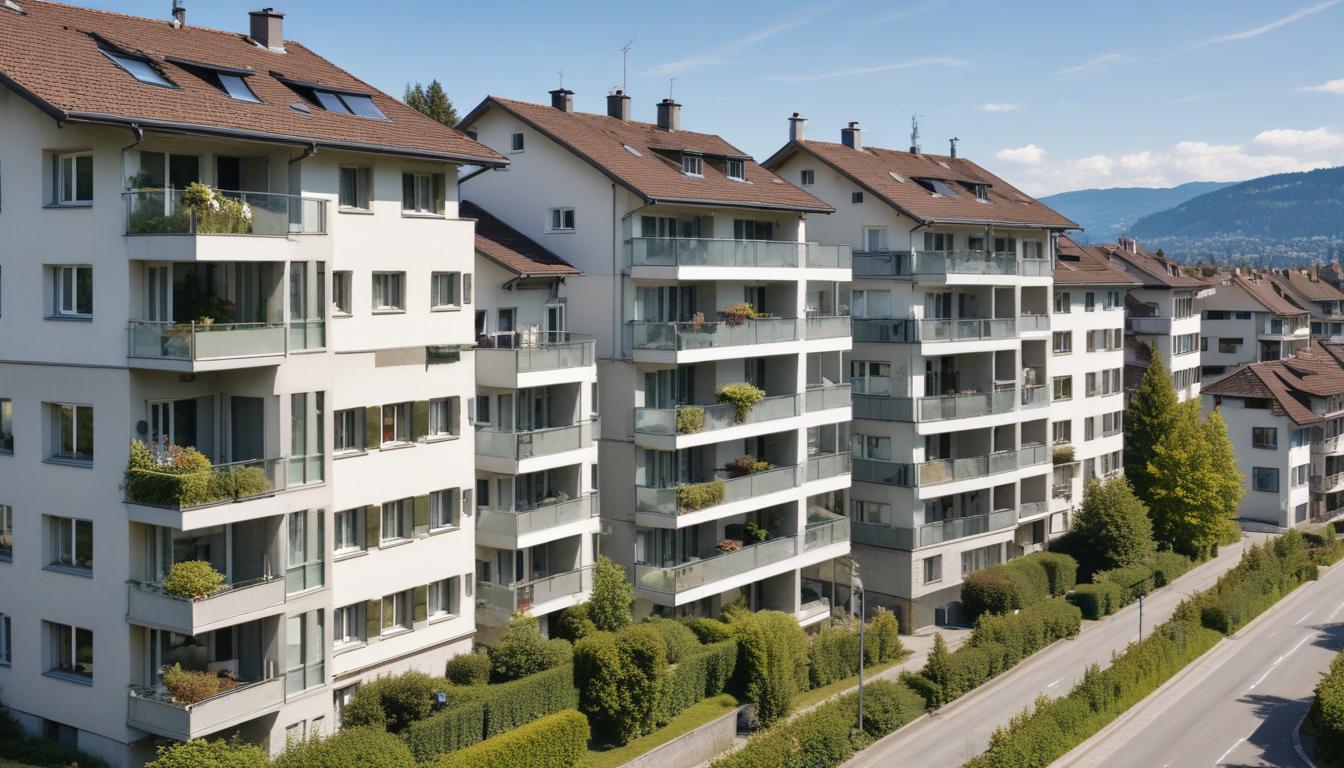
The apartment on Rämistrasse in Enge sits on the market for barely 48 hours before receiving six competing applications. The asking rent: CHF 3,200 for a modest two-bedroom with a lake view. This is no longer exceptional in Zurich's rental landscape—it is increasingly the norm.
The city's rental market has entered a new phase. With vacancy rates hovering below 0.5 per cent citywide, and prime locations like Seefeld commanding upwards of CHF 4,000 monthly for comparable units, landlords have shifted from accommodation partners to gatekeepers. Meanwhile, tenants face an exhausting reality: endless viewings, competing bids, and financial background checks that scrutinise every franc of salary.
Data from the Zurich Real Estate Association reveals that average rents have climbed 12 per cent over the past three years—outpacing wage growth by nearly double. For families in Kreis 5 and Wipkingen, traditionally more affordable areas, this acceleration is particularly acute. What were once CHF 2,000 starter apartments now command CHF 2,600 to CHF 2,800, pricing out young professionals and service workers who sustain the city's economy.
The pressure reverberates differently depending on which side of the lease you occupy. Landlords argue they face rising maintenance costs, regulatory compliance burdens, and property taxes that reflect the city's CHF 15,000 per square metre valuation benchmark. Small investors managing inherited properties or single units increasingly question whether the administrative complexity justifies modest returns.
Tenant advocacy groups, meanwhile, warn of a two-tier system emerging. Those with secure employment, substantial savings, and pristine rental histories access Zurich's premium stock. Everyone else competes for shrinking options in outer districts like Altstetten or Schwamendingen, or face the choice between departure and cost-of-living crisis.
Organisationen like the Mieterverband Zürich report a surge in consultation requests, with disputes increasingly centring on deposit recovery and renewal rent increases—disputes that rarely existed when supply was less constrained. Legal battles over CHF 50-100 monthly increases now consume landlord-tenant relations previously characterised by routine renewals.
Real estate analysts suggest the market has reached an inflection point. Without significant new residential construction—particularly in Zurich's challenging geography—the rental crisis will intensify. Whether the city can balance landlord sustainability with tenant affordability remains the defining property question of 2026.
This article was compiled by AI from the sources linked above and screened before publishing. See our editorial standards.