Zurich's Rental Squeeze: What's Really Driving Prices and Why Tenants Need to Act Fast
With vacancy rates at historic lows across the city, understanding the forces behind surging rents—and your options—has never been more critical.
With vacancy rates at historic lows across the city, understanding the forces behind surging rents—and your options—has never been more critical.

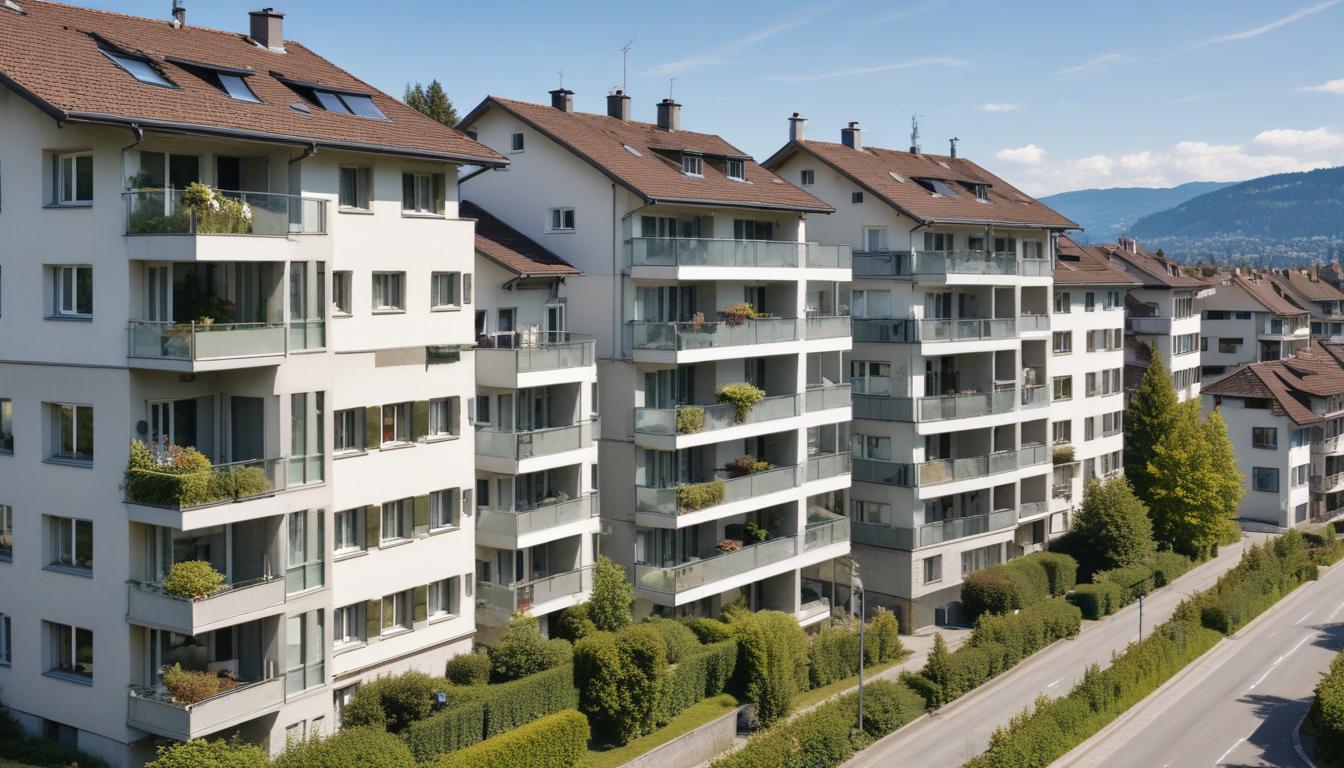
Zurich's rental market has entered a new phase of scarcity. Across the city's most desirable neighbourhoods, vacancy rates have fallen below 0.5%, marking the tightest conditions in over a decade. For prospective tenants navigating streets from Seefeld's lakeside villas to the increasingly fashionable Wipkingen corridor, the message is clear: timing and strategy matter.
The drivers are straightforward but compounding. International migration to Zurich continues to outpace housing supply. Tech firms, pharmaceutical giants, and wealth management offices cluster around the Paradeplatz and beyond, drawing skilled professionals who compete fiercely for limited rental stock. Simultaneously, property owners face regulatory headwinds and elevated mortgage costs, making new construction economically challenging. Many investors have chosen to hold rather than build.
The numbers tell the story. A one-bedroom apartment in Kreis 5—once an affordable entry point—now commands CHF 2,400–2,700 monthly. Move to the Seefeld waterfront or Enge neighbourhood, and that figure climbs to CHF 3,500 or beyond. Even outer districts like Oerlikon and Altstetten, once considered secondary options, now exceed CHF 2,200 for comparable space. The city average sits near CHF 3,100 for a two-bedroom, a 12% year-on-year increase.
What should renters know now? First, expect competition. Viewings fill within hours. Landlords screen aggressively—stable employment, solid income multiples (typically 3:1 rent-to-gross salary), and spotless references are non-negotiable. Building relationships with local estate agents on Bahnhofstrasse and beyond can provide advance notice of unlisted properties.
Second, longer-term leases are increasingly valuable. While Swiss rental law protects tenants, locking in current rates provides insulation against further increases. Many landlords favour stability over turnover, particularly given transaction costs.
Third, consider location trade-offs strategically. Proximity to S-Bahn stations in Wiedikon or Aussersihl can offset lower rents against slightly longer commutes to the city centre. The calculus has shifted—affordability now requires flexibility.
Finally, understand your rights. Zurich's rental associations and the Union of Swiss Tenant Organizations provide free guidance on fair pricing, deposit disputes, and lease terms. With leverage scarce, information is your best asset.
The rental squeeze reflects Zurich's success—a magnet for talent and capital. But for tenants, success requires acting decisively, negotiating shrewdly, and accepting that premium neighbourhoods may simply be out of reach. The market rewards preparation and patience, but neither alone will suffice in 2026.
This article was compiled by AI from the sources linked above and screened before publishing. See our editorial standards.
How does this story make you feel?
Spread the word
About this article
Published by The Daily Zurich
Daily brief
Free, in your inbox before 7am. Weekdays.
More in Property