Wipkingen and the industrial corridors of Kreis 5 have long occupied an unusual position in Zurich's property market: trendy enough to attract young professionals and creative industries, yet still marginally more accessible than the CHF 18,000-20,000 per square metre commanded by Seefeld or Enge waterfront addresses. That delicate equilibrium is shifting as a wave of mixed-use development projects transforms former factory sites and warehouses into residential and commercial hubs.
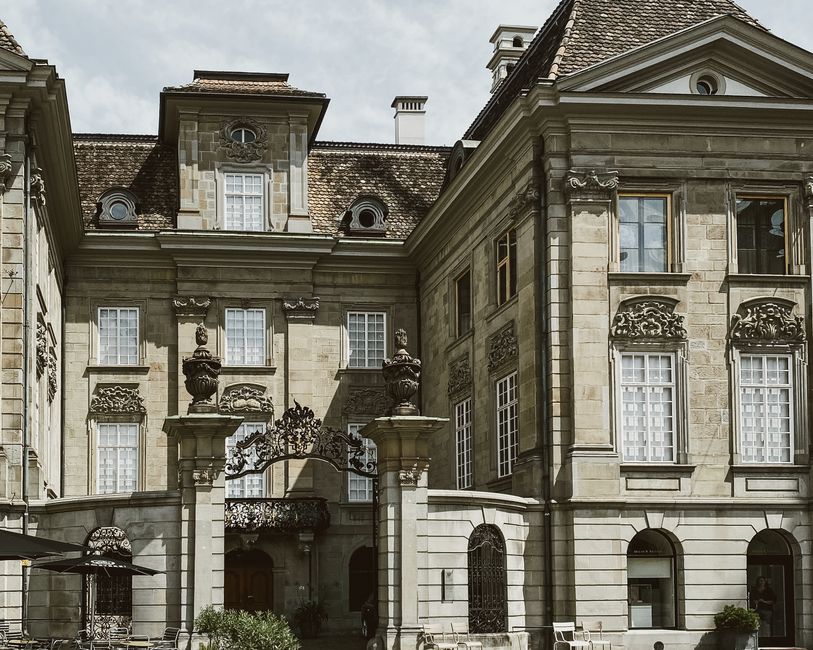
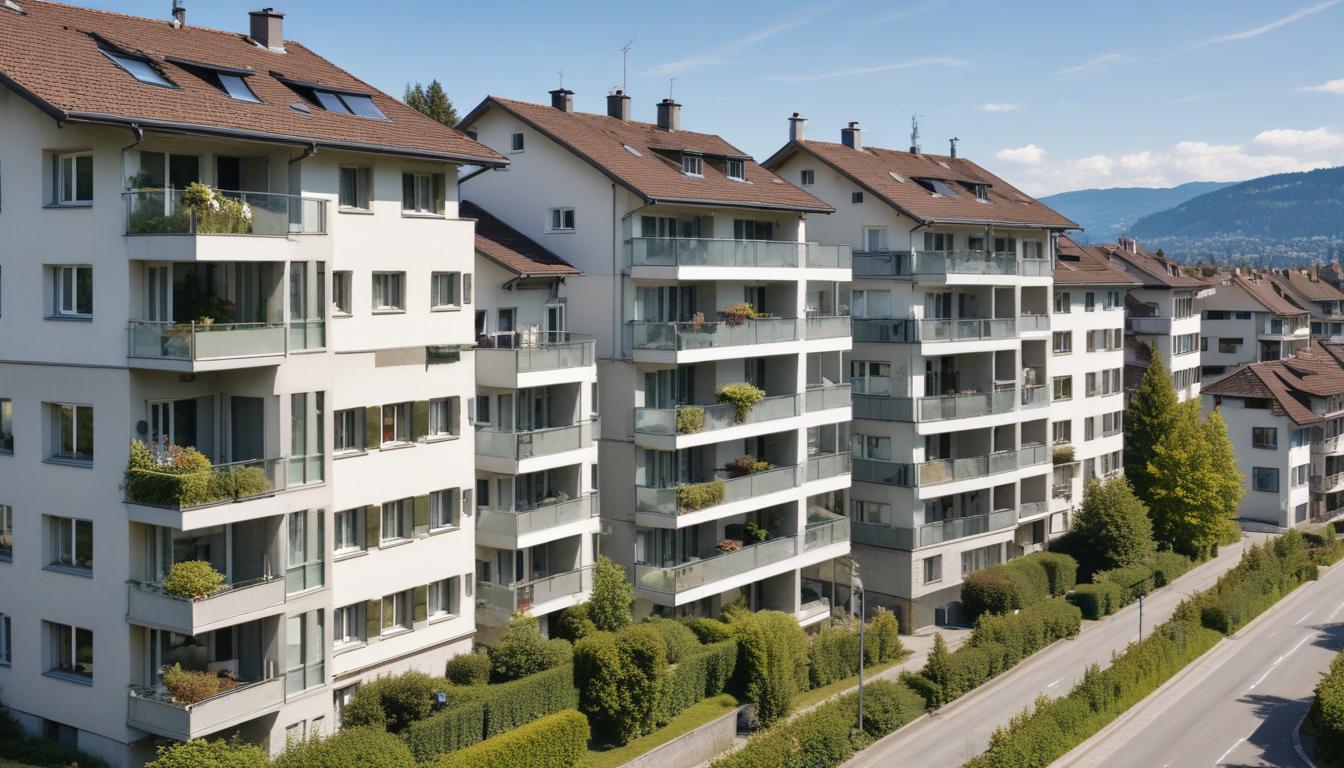
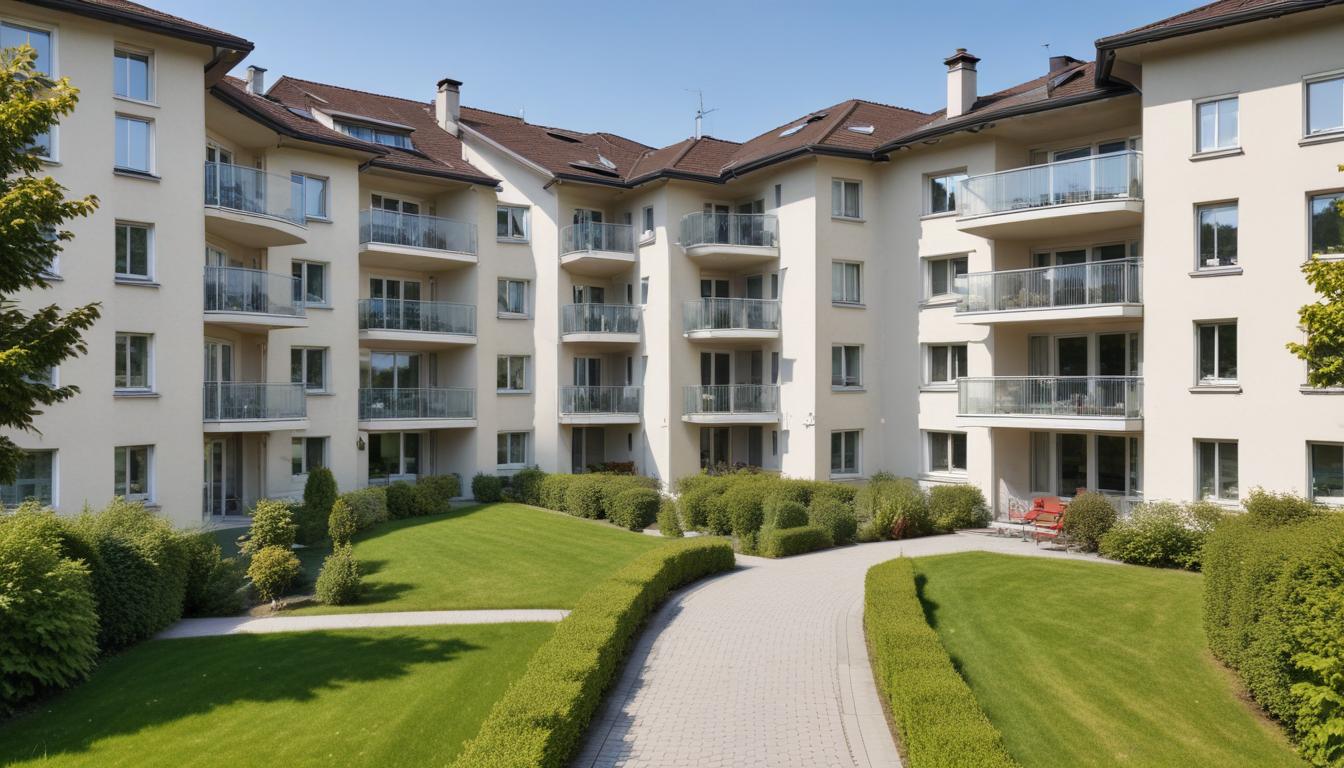
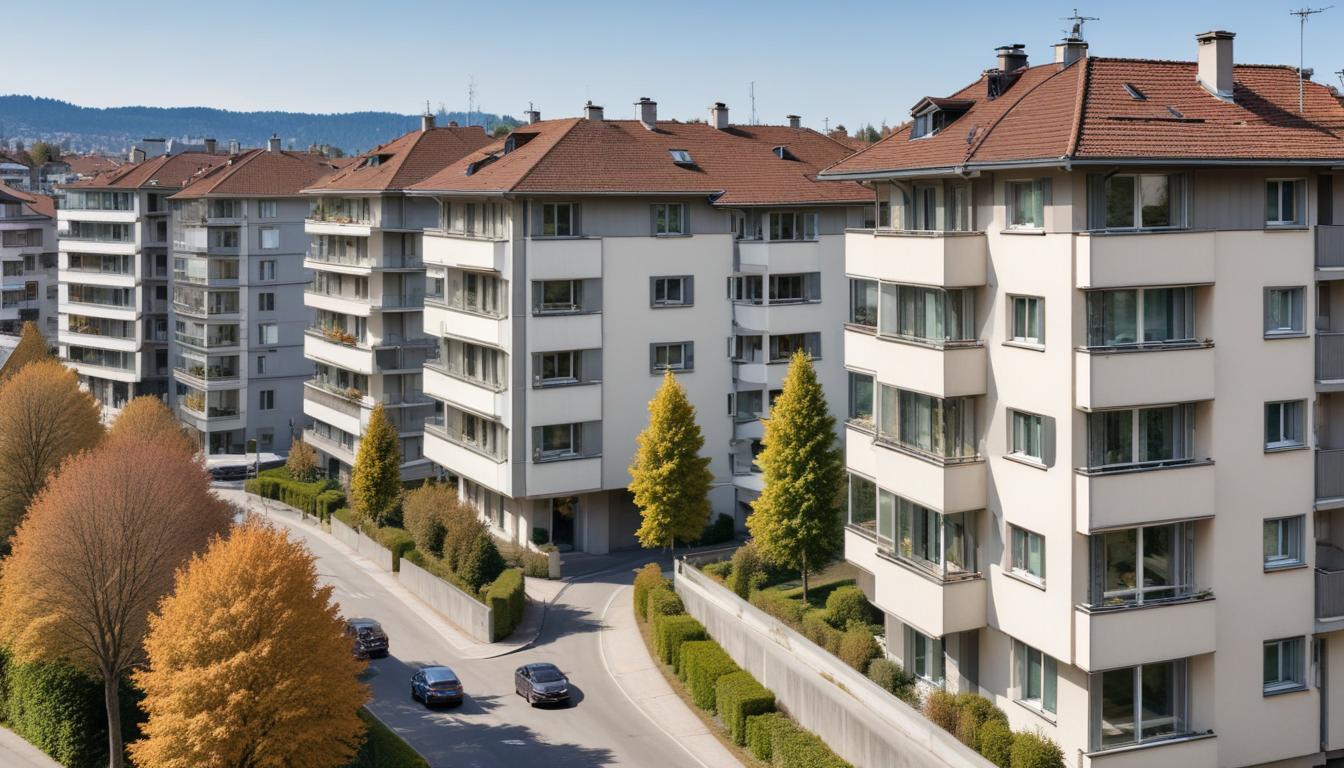
The most significant catalyst is the continued densification along the Limmat Valley. Several substantial renovation projects—including former industrial premises near the Badenerstrasse junction and sites around the Zurichhorn peninsula approach—are converting outdated commercial space into apartments, studios, and ground-floor retail. These initiatives align with Zurich's 2050 sustainability strategy, prioritising inner-city infill over sprawl. The result: more supply, albeit at prices that reflect the neighbourhood's newfound cachet. First-phase units in recently completed developments on Schaffhauserstrasse are trading at CHF 12,000-14,000 per square metre—a notable premium over comparable older stock, yet still below the citywide average of CHF 15,000.
For residents already anchored in Wipkingen, the implications are mixed. Established families appreciate improved infrastructure: new tram connections, upgraded parks around the Platzspitz precinct, and enhanced pedestrian zones. Local institutions like the Kulturhaus Kantine and independent galleries have become focal points for the neighbourhood's evolving identity. Yet rising land values are intensifying pressure on affordable housing stock. Cooperative housing schemes—including several backed by the Zurich Housing Association—are attempting to maintain social diversity, though demand vastly outpaces availability.
Property investors and developers are acutely aware of the market dynamics. Unlike speculative booms elsewhere, Zurich's regulatory environment—including strict zoning, heritage protections, and community consultation requirements—means development happens methodically. The cantonal government and city planning department oversee density carefully, preventing the overcrowding that plagues other European capitals.
For prospective buyers or renters, the message is clear: Kreis 5 remains more accessible than established prestige zones, but the window for sub-CHF 12,000-per-square-metre purchases is narrowing. Those seeking a foothold in a vibrant, fast-evolving neighbourhood should act within the next 18-24 months, before first-phase premiums solidify across subsequent developments. The transformation of Wipkingen from industrial fringe to urban destination is neither disaster nor windfall—it is, essentially, Zurich doing what it does best: measured, sustainable growth that preserves character while accommodating demand.
This article was compiled by AI from the sources linked above and screened before publishing. See our editorial standards.