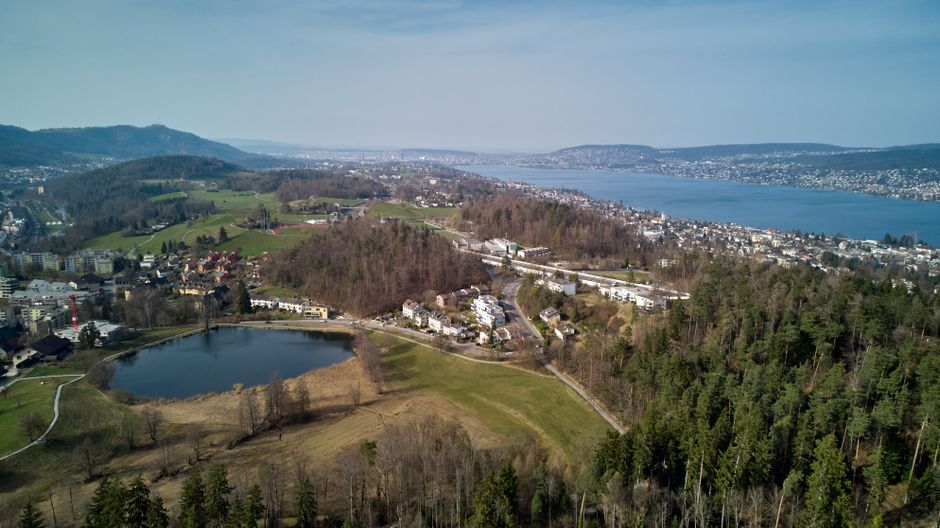
Zurich's rental market is sending contradictory signals, and the data tells a story landlords are watching closely while tenants brace for pressure. Recent auction results and transaction volumes reveal a market in flux: fewer apartments are changing hands, yet those that do command premiums that far exceed inflation.
Over the past eighteen months, average completion prices in central rental corridors have climbed steadily. Properties in Wiedikon and Altstetten—long considered affordable alternatives to Seefeld or Enge—are now shifting at CHF 14,500 to CHF 15,200 per square metre, narrowing the gap with citywide averages that hover around CHF 15,000/sqm. This convergence matters. When secondary neighbourhoods approach prime waterfront valuations, it suggests demand is outpacing supply across the entire rental stock, not merely at the luxury end.
Auction house activity reinforces the scarcity narrative. Properties listed through major channels are receiving fewer competing bids than in 2024, yet sale prices remain firm. This pattern—lower participation but stable or rising prices—typically signals that serious buyers and investors perceive the market as supply-constrained rather than saturated. For renters, it means landlords have little incentive to compete on lease terms or concessions.
The Immobilien-Index for June 2026 shows vacancy rates hovering below 0.8 per cent across metropolitan Zurich, well below the 1.5 per cent threshold that would favour tenants. In Kreis 5, where young professionals and families cluster near the Limmat and emerging hotspots around Europaplatz, available units are vanishing before formal listings appear. Realtors report viewings scheduled within hours of notification to agencies.
What this means in practical terms: a studio in Wipkingen that might have attracted three serious candidates eighteen months ago now sees fifteen applications. Landlords can afford to be selective. For those seeking rental accommodation, the strategic play is no longer negotiation but speed—securing references, proof of income, and employment contracts before viewing appointments.
Auction price resilience, coupled with inventory compression and sub-1% vacancy, suggests Zurich's rental stress will persist through the remainder of 2026. Neither rate cuts nor regulatory interventions have yet loosened supply. Until new construction in outer districts like Hongg or Schwamendingen adds material stock, expect continued tenant displacement toward commuter towns and sustained pressure on affordability in established neighbourhoods.
For prospective renters, the message is stark: competition remains high, and the margin for negotiation narrow. The market is speaking through data, not desperation.
This article was compiled by AI from the sources linked above and screened before publishing. See our editorial standards.