Zurich's Rental Yields Under Pressure: What Today's Numbers Really Show Investors
As vacancy rates climb and rents stagnate, Zurich's once-reliable rental market is forcing investors to reassess returns in Europe's priciest property market.
As vacancy rates climb and rents stagnate, Zurich's once-reliable rental market is forcing investors to reassess returns in Europe's priciest property market.
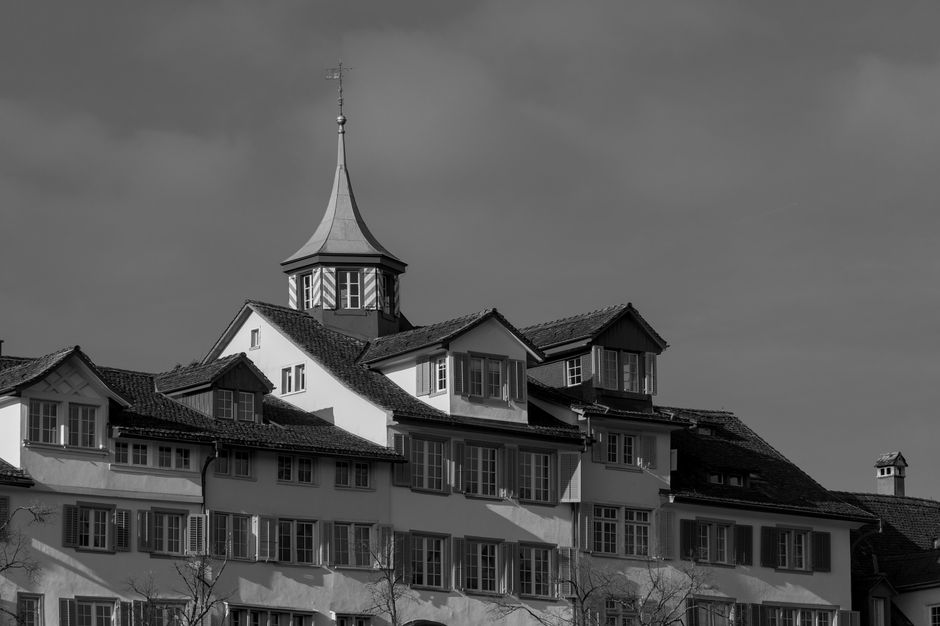
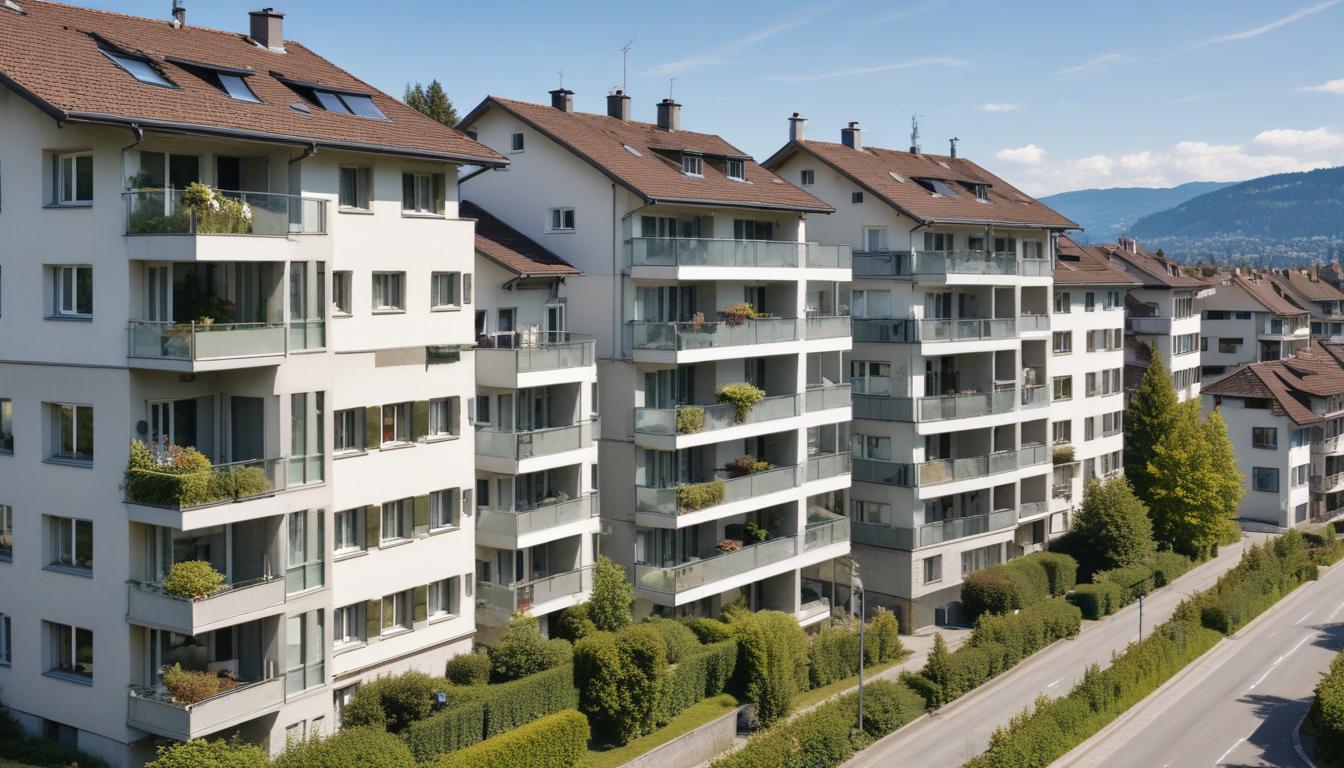
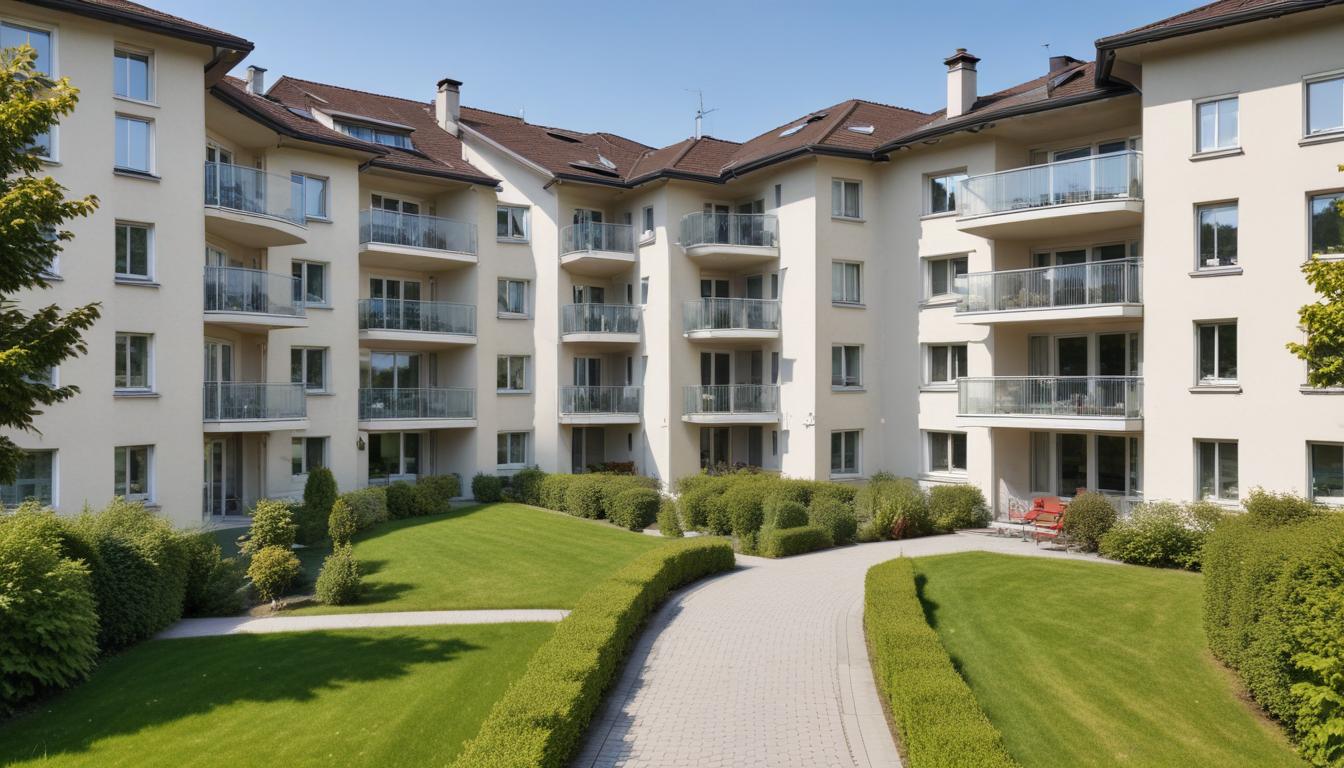
Zurich's rental market has entered a cooling phase that should concern yield-focused investors. Current vacancy rates in the city centre hover around 2.1%, up from 1.4% two years ago—a significant shift in a market historically defined by scarcity and steady returns. For investors accustomed to the automatic appreciation that characterised Zurich property through the 2010s, these numbers signal a recalibration.
The mathematics are sobering. At the average asking rent of CHF 2,800 per month for a three-room apartment in central Zurich, gross yields sit at approximately 2.2% when calculated against the CHF 1.52 million median purchase price. Deduct maintenance, insurance, and cantonal property taxes—typically 0.3% of property value annually—and net yields plummet below 1.5%. Even premium Seefeld and Enge waterfront properties, commanding CHF 18,000–22,000 per square metre, are generating yields of just 1.8% gross.
The picture differs markedly by neighbourhood. Kreis 5's trendier pockets around Zurich West and the Freitag shop on Geroldstrasse have seen rental demand hold relatively firm, with vacancies closer to 1.6%. Meanwhile, outer areas like Altstetten and Hongg show rates exceeding 3%, reflecting where tenant competition has genuinely weakened.
What's driving this shift? New supply remains modest—Zurich averages only 2,000 new units annually—but migration patterns have changed. The post-pandemic flight to home offices has faded, yet remote-work flexibility persists, allowing some tenants to relocate to cheaper cantons. Young professionals increasingly choose Winterthur or Baden commuter apartments, undermining landlord expectations around the Bahnhofstrasse corridor.
This matters because Zurich's rental market has historically operated on a simple thesis: own property, collect rent, enjoy appreciation. Today, that equation no longer holds. Property prices have plateaued; rents have barely budged in real terms since 2019. Investors banking on capital gains have lost their tailwind, leaving yield as the primary return driver—and yields are insufficient for most international capital seeking better-than-deposit returns.
Local property associations and the Zurich Chamber of Commerce have flagged this transition. For tenant-side actors, tighter vacancy rates translate to genuine negotiating power—a reversal from the landlord-favourable market of recent years. Prospective renters searching around Wiedikon or Leimbach now encounter genuine choice rather than scarcity.
The lesson is clear: Zurich remains expensive and desirable, but the era of passive rental ownership generating meaningful real returns has ended. Investors must now compete on service quality, location precision, and renovation standards to justify premium pricing. The numbers demand it.
This article was compiled by AI from the sources linked above and screened before publishing. See our editorial standards.
How does this story make you feel?
Spread the word
About this article
Published by The Daily Zurich
Daily brief
Free, in your inbox before 7am. Weekdays.
More in Property