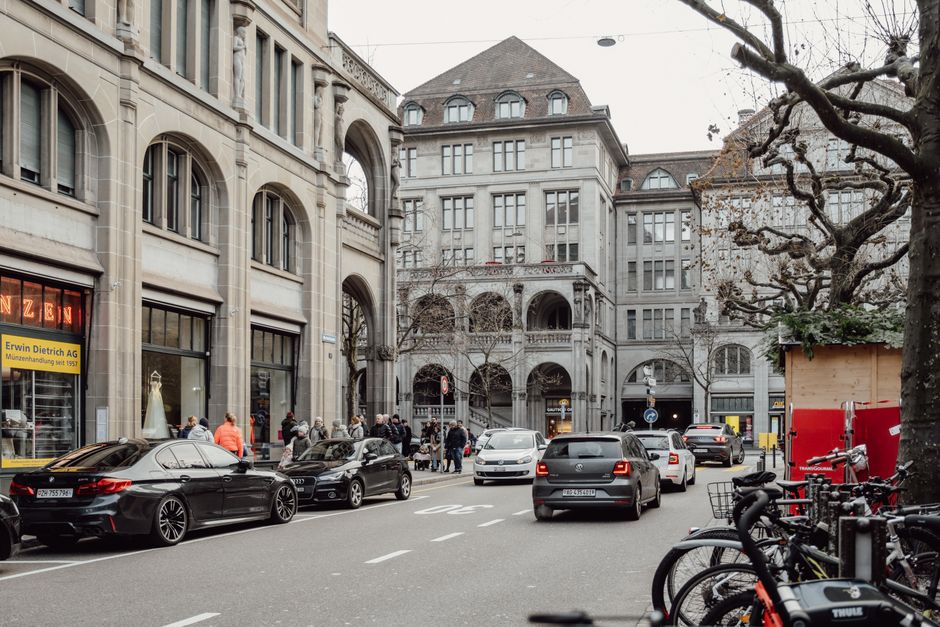
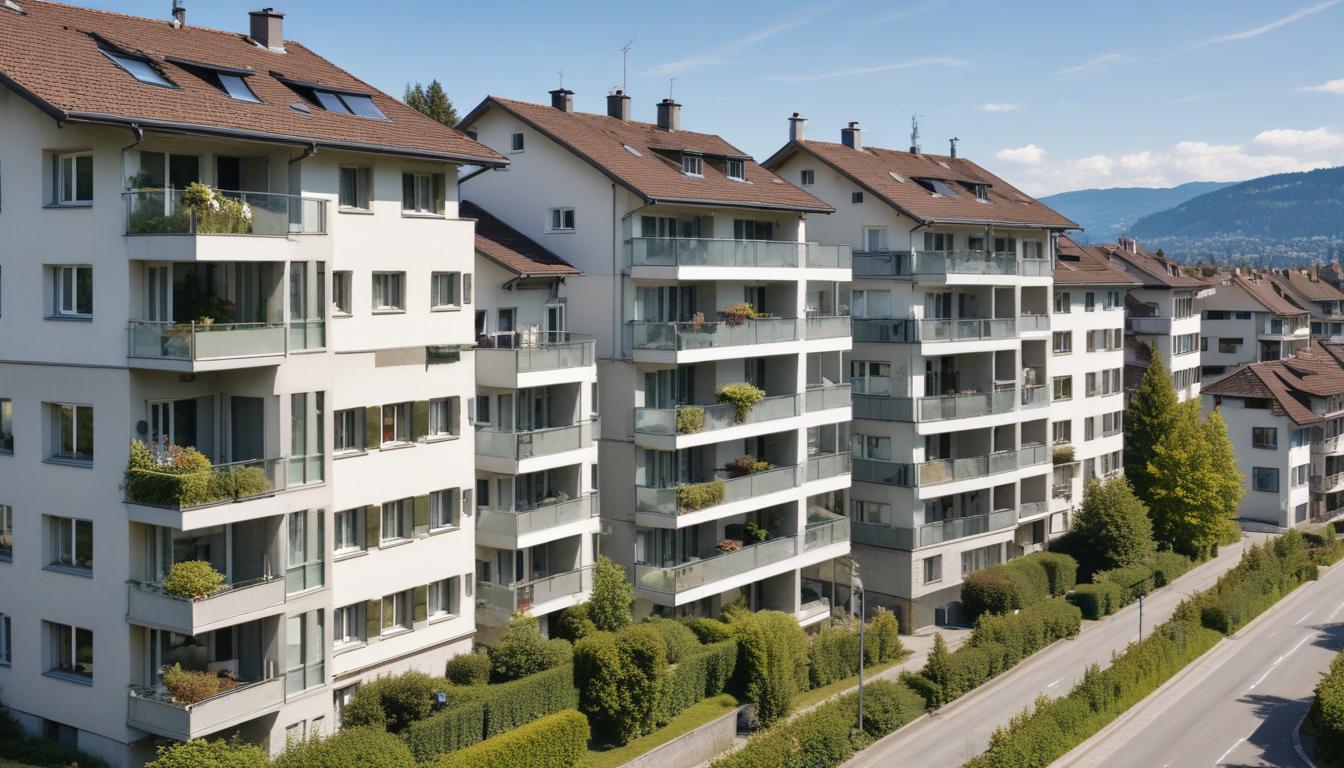
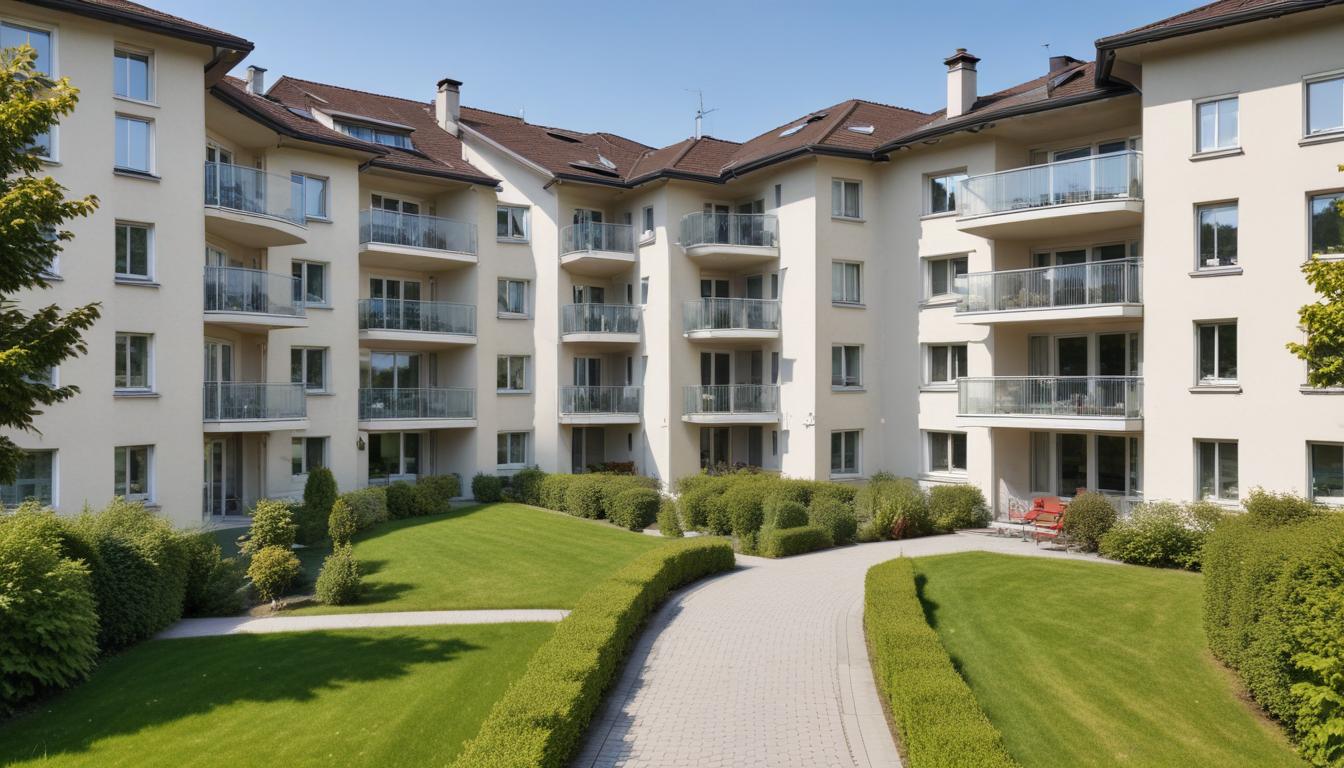
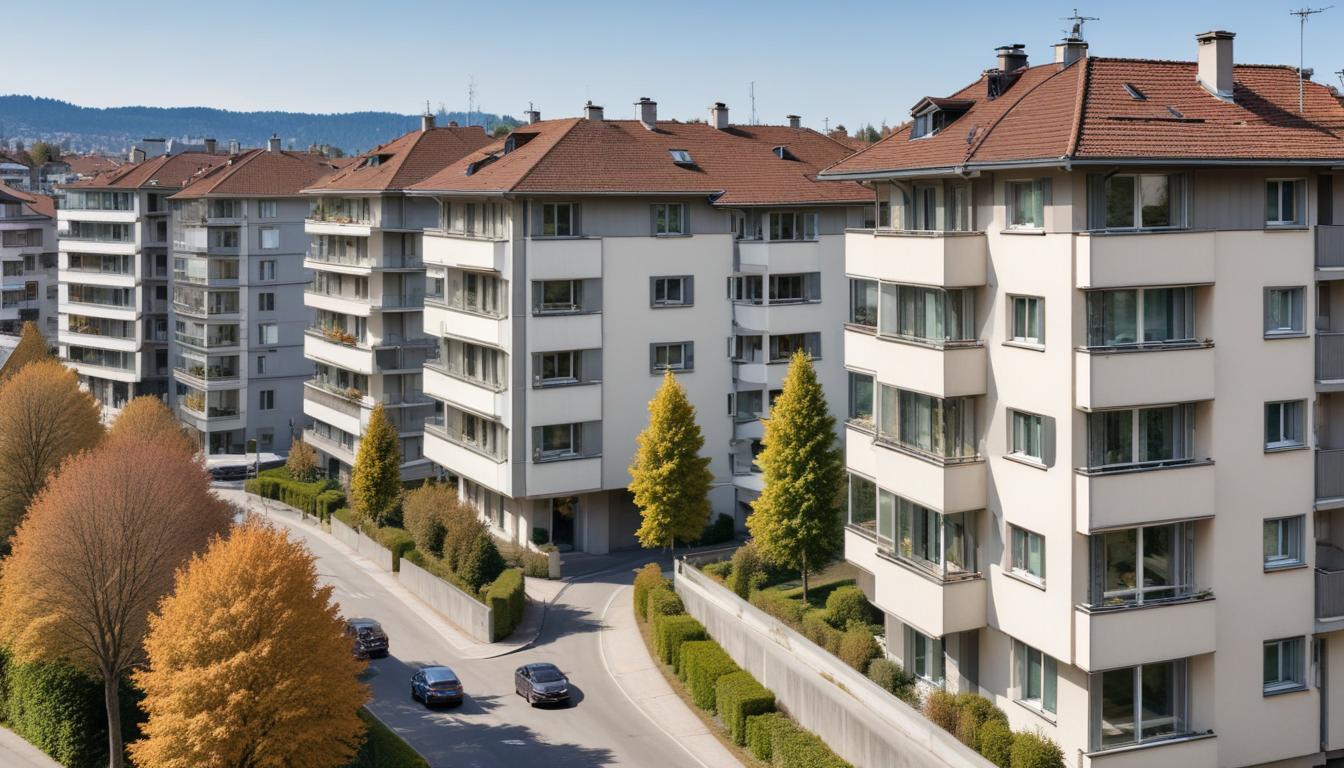
The Zurich property market has entered a peculiar phase. Prices remain stubbornly elevated despite economic headwinds, yet first-time buyers continue to enter the fray. Understanding what's happening requires looking beyond headlines about rate cuts and construction permits.
Three interconnected forces are reshaping affordability right now. First, the structural undersupply of residential land in central Zurich remains acute. Plots near Bellevue or along the Limmat corridor attract institutional and international capital, keeping baseline prices elevated. Second, the Swiss mortgage market has loosened considerably following recent rate cuts, with lending criteria easing for qualified borrowers. Banks are now offering mortgages at historically competitive levels—but qualification thresholds haven't relaxed equally. Third, wealth migration into Zurich continues to outpace local wage growth, creating persistent upward pressure on premium neighbourhoods like Seefeld and Enge.
For first-time buyers, this reality demands clarity on two fronts: financing and location strategy.
On financing: The standard Swiss mortgage requires a 20% down payment; most banks won't exceed 80% loan-to-value ratios. Younger buyers should investigate cantonal first-home-buyer programmes—the City of Zurich's Wohnbauförderung offers subsidised loans for qualifying households, though eligibility depends on household income (roughly CHF 120,000–180,000 for families). Additionally, Switzerland's pillar 3a system allows borrowers to withdraw retirement savings to fund property purchases, a mechanism worth exploring with a financial adviser before committing to an offer.
On location: The CHF 15,000-per-square-metre average masks enormous variation. Kreis 5 (Wipkingen) and Kreis 6 (Unterstrass) have emerged as more accessible entry points, with neighbourhoods like Wiedikon offering a blend of accessibility and long-term appreciation potential. Seefeld and Enge waterfront properties command 40–60% premiums, placing them beyond reach for most first-time buyers. Outer districts like Altstetten or Hongg, once dismissed, now represent rational value propositions.
The critical message: prices aren't falling imminently. Historically, Zurich's property market has absorbed economic cycles with minimal price correction. Instead, transaction volume fluctuates. This means buyers delaying entry in hopes of a crash often simply extend their rental tenure without achieving their goal.
The window hasn't closed—but the cost of procrastination, measured in years of rent payments, is measurable. First-time buyers should engage qualified advisers now, clarify their true borrowing capacity, and develop a realistic neighbourhood strategy. The market rewards informed decisiveness.
This article was compiled by AI from the sources linked above and screened before publishing. See our editorial standards.