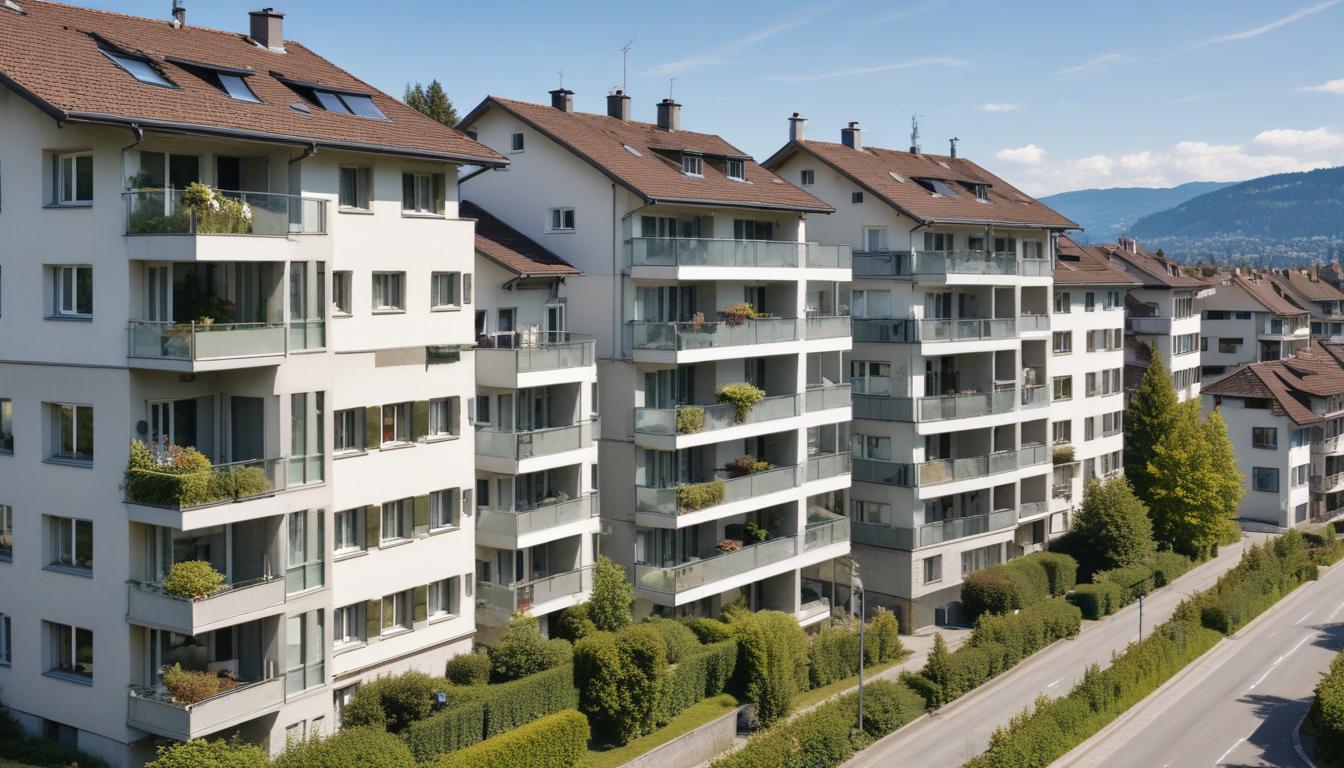
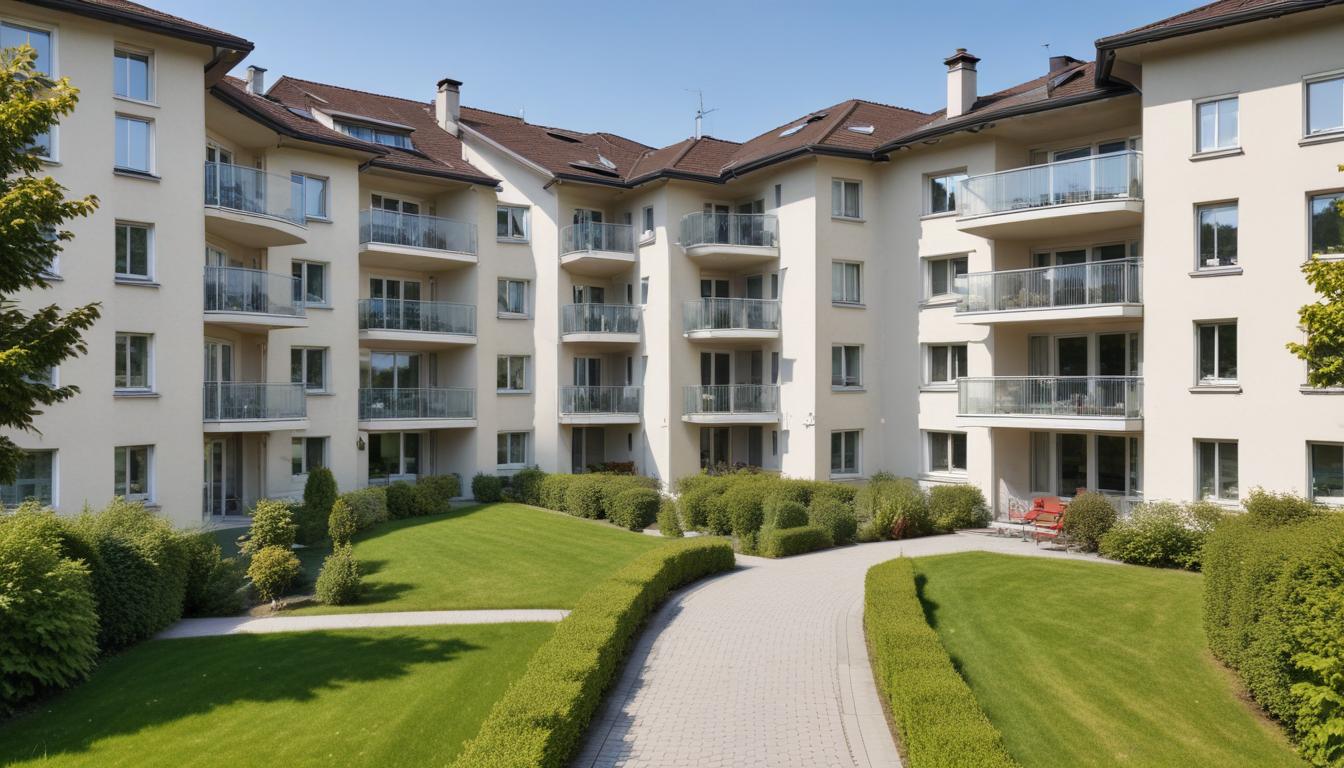
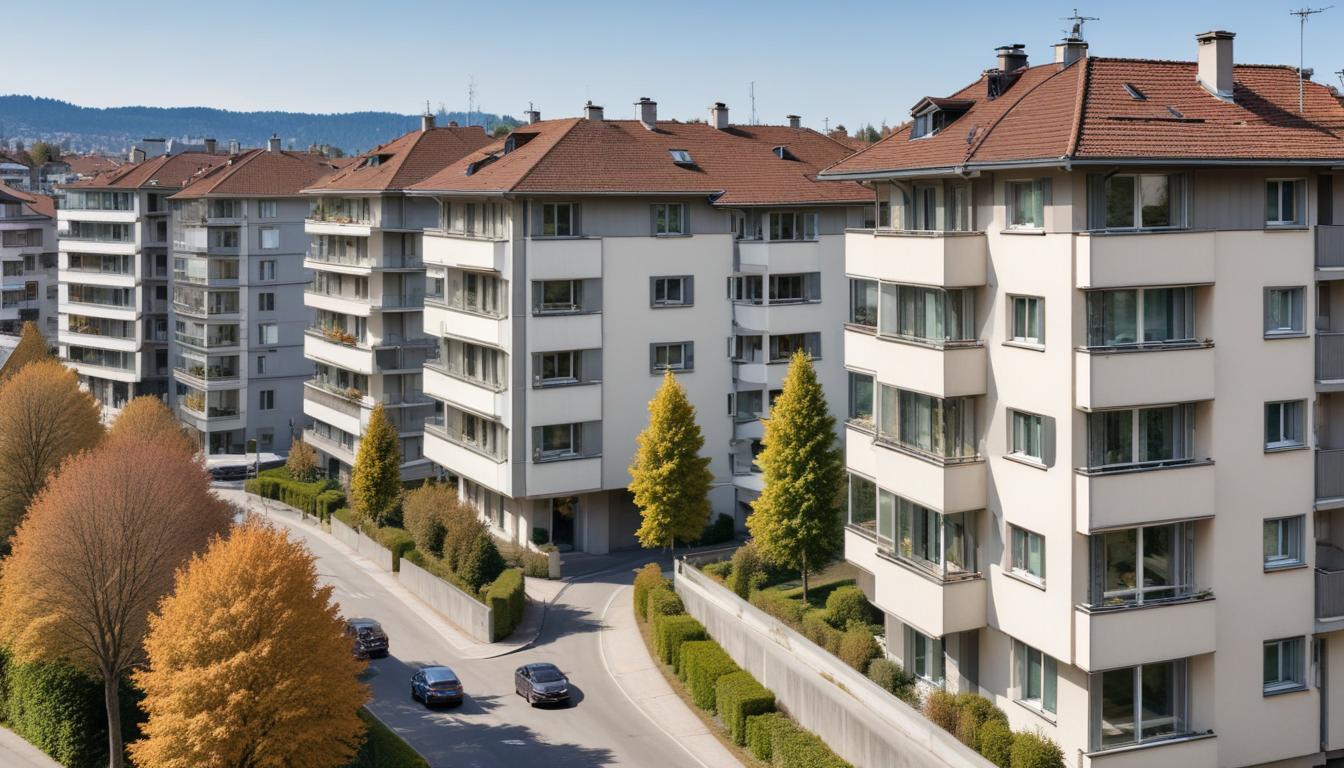
Zurich's property market has long been defined by scarcity and premium pricing—the city averages CHF 15,000 per square metre, among Europe's highest. But the completion of several significant new developments is beginning to shift the calculus for income-focused investors.
The Europaallee project on the city's western edge represents the most visible catalyst. This mixed-use transformation of former railway lands is drawing both owner-occupiers and professionals seeking modern rental stock. The neighbourhood, previously overlooked as industrial, is rapidly attracting younger renters and families priced out of traditional strongholds like Seefeld and Enge. Early data suggests rental yields here are climbing toward 2.5–3 per cent—modest by global standards, but materially higher than the 1.8–2.2 per cent yields seen in established waterfront zones.
Kreis 5 and Wipkingen, already repositioned as Zurich's trend-setting quarters, are experiencing secondary waves of development. New apartment complexes on Limmatstrasse and around the Sihlcity shopping district are filling with tenants seeking walkability to Langstrasse's restaurants and cultural venues. These areas command CHF 12,000–14,000 per square metre—a meaningful discount to Seefeld while offering stronger rental fundamentals than five years ago.
For landlords, the lesson is straightforward: neighbourhood momentum matters as much as current price tags. Properties completing in 2027–2028 within emerging areas often generate steadier tenant demand than equivalent properties in mature, saturated zones. The Europaallee and similar projects are creating jobs, retail gravity, and social infrastructure that anchor long-term rental appeal.
However, timing carries real risk. New developments typically oversupply neighbourhoods for 18–24 months post-completion, depressing rents initially. Investors banking on immediate yield often misjudge the cycle. The smarter approach is identifying projects where supporting infrastructure—public transport extensions, school expansions, cultural venues—arrives on schedule, as planned extensions to the Tram 8 line will do across Kreis 5.
Zurich's property landscape remains constrained by geography and regulation, protecting valuations in ways Australian markets cannot. But yield-focused investors must now think beyond postcode prestige. The next decade's income-generating opportunities lie in neighbourhoods where new development creates genuine demand, not merely architectural novelty. Those with patience for the two-year settlement period and eyes on transport connectivity will likely outperform peers chasing established addresses.
This article was compiled by AI from the sources linked above and screened before publishing. See our editorial standards.