Zurich's zoning revolution: how new planning rules are reshaping the ultra-luxury market
Stricter density restrictions and heritage protections are forcing high-end developers to recalibrate strategies in Switzerland's priciest neighbourhoods.
Stricter density restrictions and heritage protections are forcing high-end developers to recalibrate strategies in Switzerland's priciest neighbourhoods.
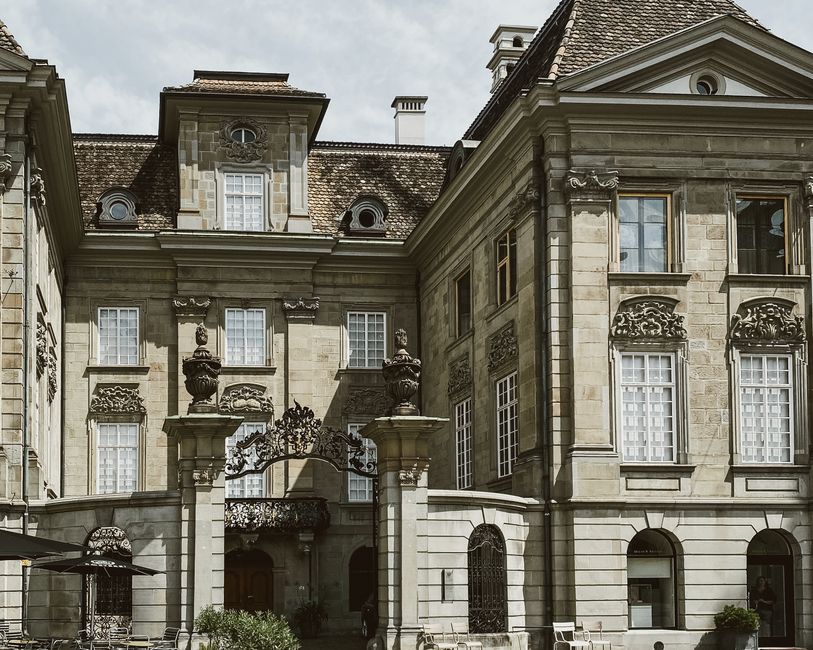
Zurich's luxury property market, long accustomed to steady appreciation and minimal friction, is navigating an unfamiliar terrain. Recent planning decisions by the Stadt Zürich Amt für Städtebau have introduced density caps and heritage overlays that are forcing developers and wealthy investors to fundamentally rethink their strategies—particularly in the coveted waterfront districts of Seefeld and Enge, where average prices exceed CHF 18,000 per square metre.
The catalyst came in early 2026 when the Stadtrat approved stricter building coefficients for lakeside properties, limiting floor area ratios in prestige zones. The measure aims to preserve Zurich's architectural character and prevent the kind of speculative overdevelopment seen in other Swiss cities. For the ultra-high-net-worth clientele accustomed to acquiring large parcels and maximising development potential, the shift has been seismic.
"We're seeing fewer trophy properties changing hands," explains one established Seefeld real estate specialist. "Buyers who previously expected to convert a single plot into multiple penthouses now face genuine constraints." A recent transaction on Mythenschloss Strasse exemplifies this: a CHF 8.2 million waterfront villa sold without subdivision potential—a scenario unthinkable eighteen months ago.
Yet the policy shift has created unexpected winners. Existing heritage-listed villas in Enge and Fluntern are experiencing renewed demand, as investors recognise their protected status as a hedge against future density restrictions. Similarly, emerging neighbourhoods like Kreis 5's Aussersihl district—less regulated than prime waterfront areas—are attracting bold collectors willing to trade proximity to the lake for architectural freedom.
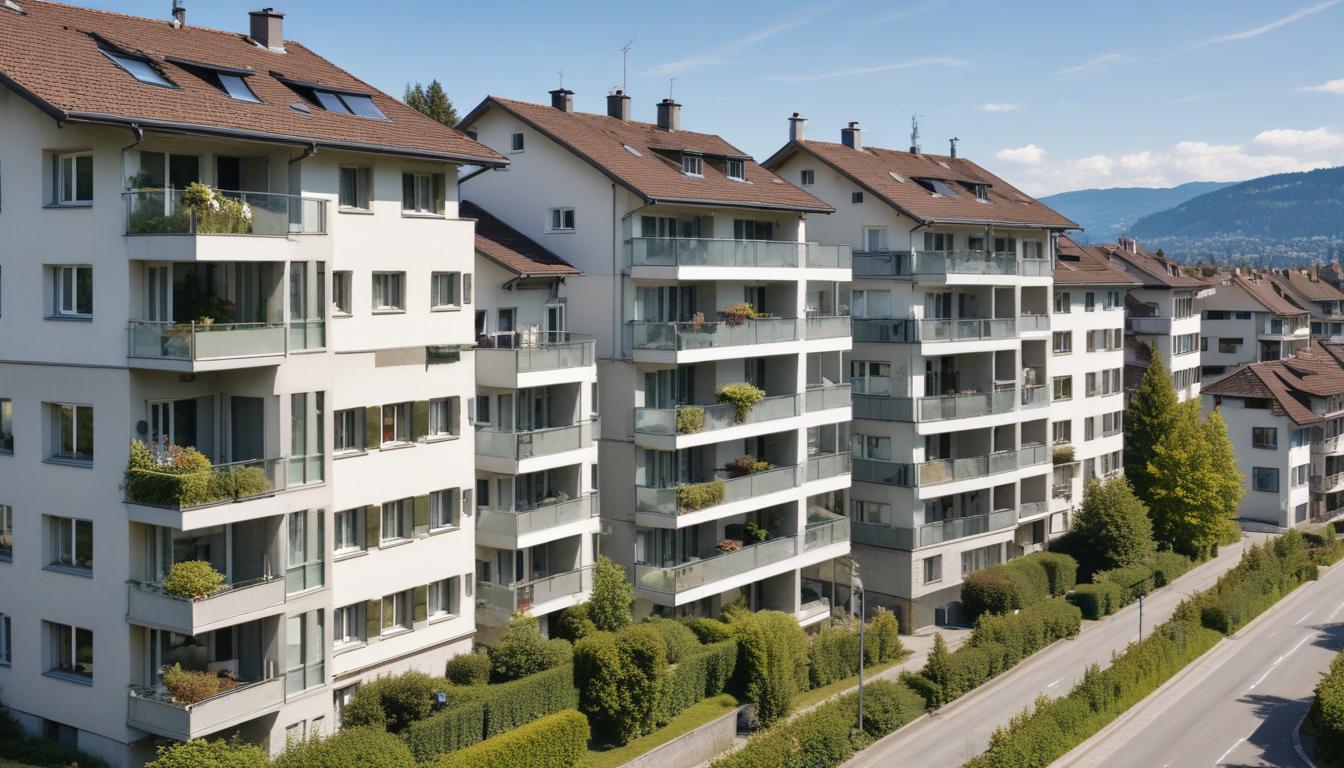
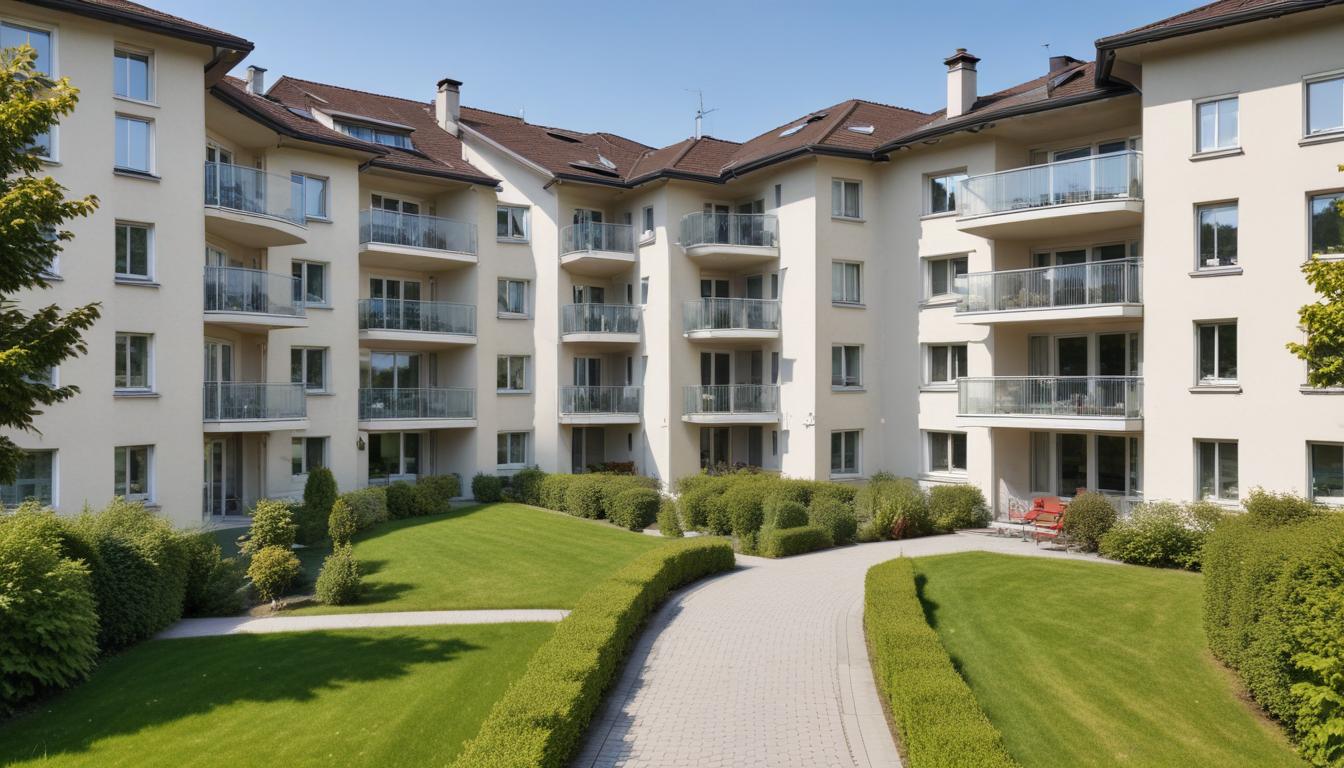
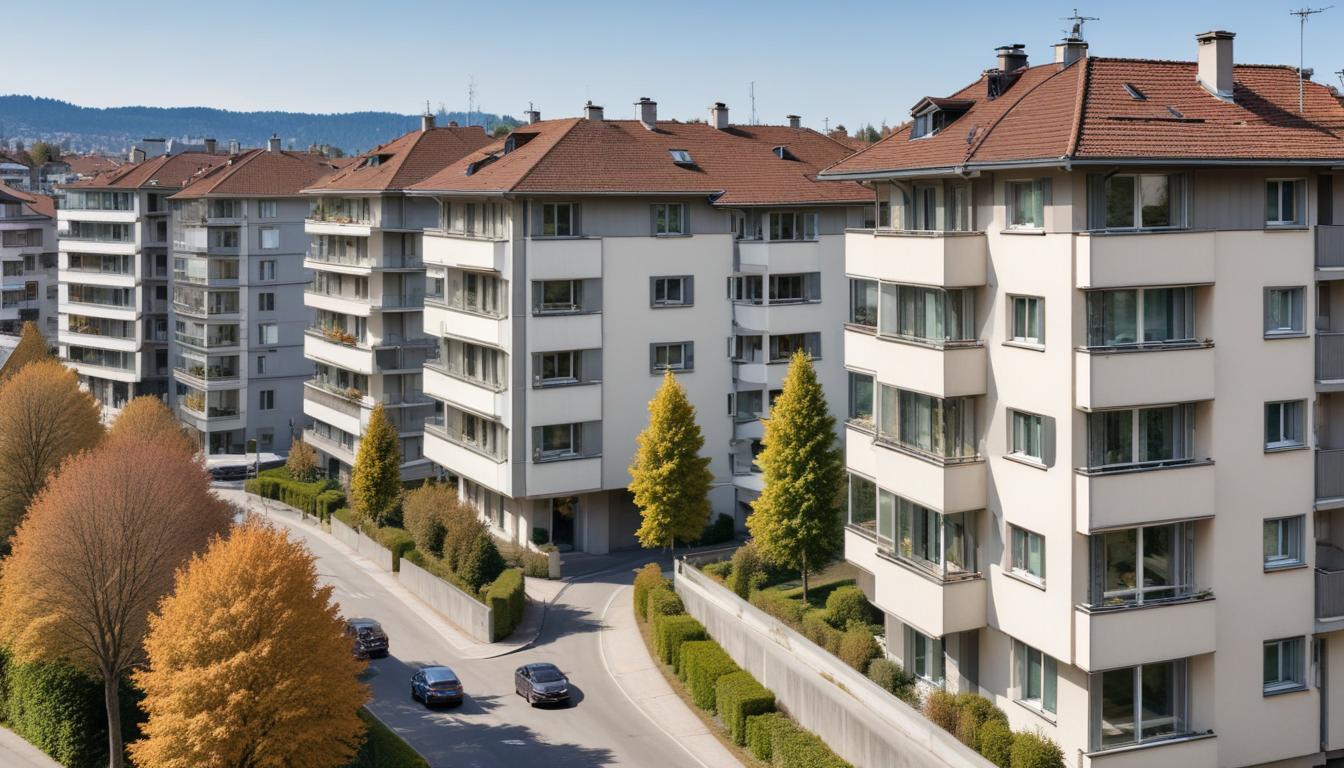
The Baudirektion's emphasis on sustainable urban density has also inadvertently created opportunities in vertical luxury. New approval frameworks for renovation of pre-war townhouses in Wiedikon and around Europaplatz are enabling developers to create high-specification apartments that command CHF 12,000–15,000 per square metre—significant premiums for the locations, but substantially below virgin-build waterfront rates.
International investors from London and Hong Kong, who've historically targeted Zurich as a stable wealth repository, are recalibrating. Some are pivoting toward Zug and Lugano, where planning frameworks remain more permissive. Others are betting on the city's regulatory maturity as a long-term value proposition—betting that Zurich's scarcity and planning discipline will ultimately entrench prices.
The coming months will clarify whether these policy changes represent a genuine market correction or a temporary friction point. What's certain: the era of unrestricted luxury development in Zurich has concluded. The question now is which investors and neighbourhoods emerge as winners.
This article was compiled by AI from the sources linked above and screened before publishing. See our editorial standards.
How does this story make you feel?
Spread the word
About this article
Published by The Daily Zurich
Daily brief
Free, in your inbox before 7am. Weekdays.
More in Property