What Zurich's auction results and price data are signalling to landlords
Recent sales across Seefeld, Wiedikon and beyond reveal where yields are tightening—and where savvy investors should be looking.
Recent sales across Seefeld, Wiedikon and beyond reveal where yields are tightening—and where savvy investors should be looking.
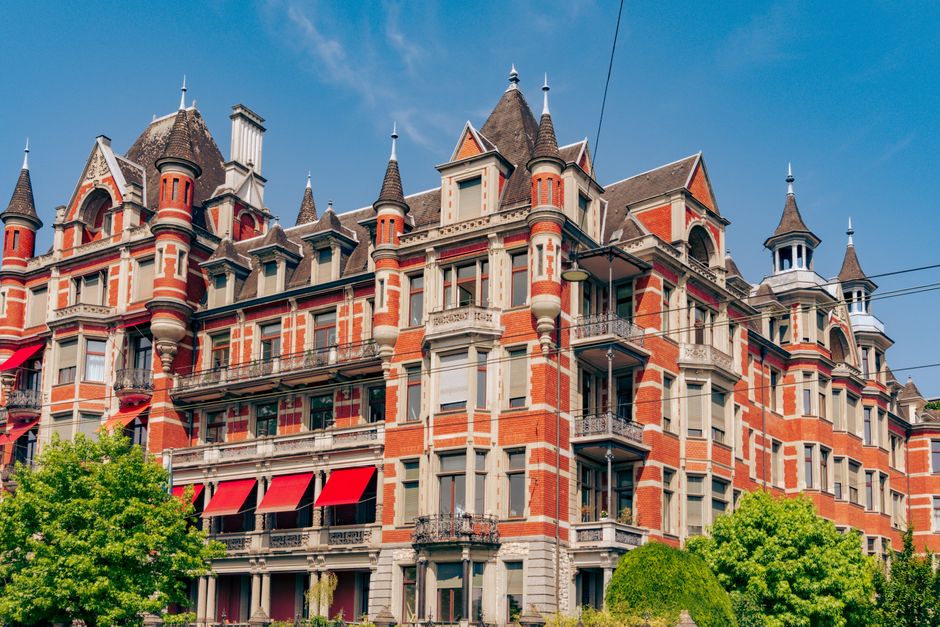
Zurich's property market is sending mixed signals, and those signals matter most to landlords weighing where to commit capital. June's auction results paint a picture of a market in flux: prices remain robust at the city average of CHF 15,000 per square metre, yet rental yields are compressed in ways that demand close attention from income-focused investors.
Recent transactions in Seefeld and Enge tell the story most clearly. Waterfront properties continue commanding premiums—often exceeding CHF 20,000/sqm—yet gross rental yields in these neighbourhoods hover near 2.5% to 3%. For landlords, that's a thin margin when accounting for maintenance, insurance and the canton's property tax burden. The data suggests that speculative capital has dominated these zones, leaving little room for traditional buy-to-let economics.
Conversely, peripheral zones like Wiedikon and Aussersihl show more interesting fundamentals. Properties here trade closer to CHF 12,000–13,000/sqm, and rental demand remains steady among younger professionals and families priced out of central locations. Auction results from this quarter indicate faster turnover and tighter bid spreads—fewer bidding wars, more rational pricing. That environment favours landlords entering now rather than those holding trophy assets in Kreis 1.
Kreis 5, long the darling of trend-spotters, presents a puzzle. Wipkingen's transformation has pushed rents upward, yet purchase prices have already absorbed much of that gain. New stock entering the market—particularly converted industrial spaces along the Limmat—suggests supply may finally catch demand, potentially stabilising rather than inflating yields.
What should landlords watch? Three signals emerge from recent data. First, auction clearance rates remain below historical norms, indicating less frenzied competition and slightly more negotiating power for buyers. Second, the spread between city-centre and ring-neighbourhood prices is narrowing; outlying areas are appreciating faster. Third, rental growth in periphery zones is outpacing capital growth in prime locations—a reversal that typically precedes a market rebalancing.
The Immobilien Forum Schweiz and local estate agents tracking Zurich transactions note that institutional investors are increasingly targeting multi-unit residential portfolios in zones 5–8, rather than single premium apartments. That shift signals where capital sees real yield potential.
For landlords, the lesson is clear: auction data and pricing trends reveal that the era of passive appreciation in Seefeld is waning. Yield-conscious investors should be scanning Wiedikon, Aussersihl and emerging neighbourhoods where rents are rising faster than purchase prices—a rare window in one of Europe's most expensive cities.
This article was compiled by AI from the sources linked above and screened before publishing. See our editorial standards.
How does this story make you feel?
Spread the word
About this article
Published by The Daily Zurich
Daily brief
Free, in your inbox before 7am. Weekdays.
More in Property