Caught in the Middle: How Zurich's Rental Market Squeeze Is Reshaping Neighbourhoods
As vacancy rates tighten and rents climb across the city's most desirable districts, both tenants and landlords face an unprecedented balancing act.
As vacancy rates tighten and rents climb across the city's most desirable districts, both tenants and landlords face an unprecedented balancing act.
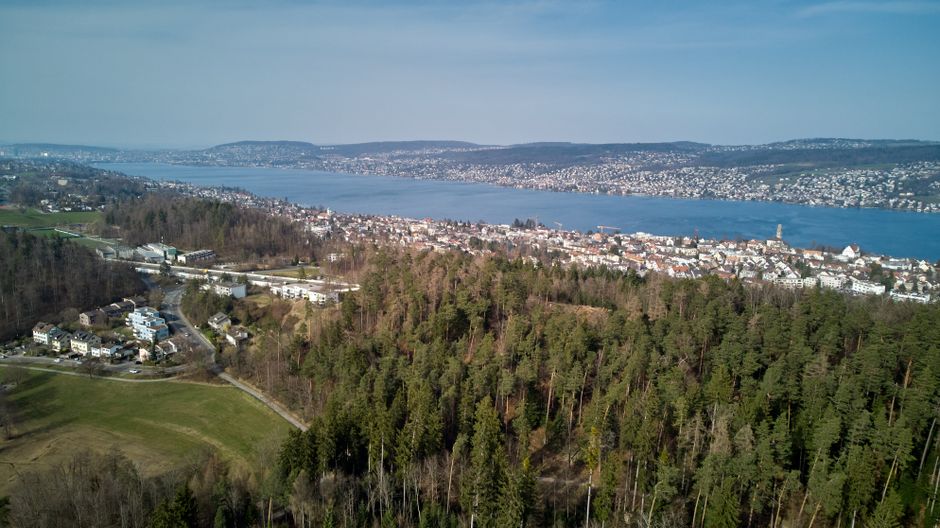
Zurich's rental market has entered a phase of delicate equilibrium—one that is quietly reshaping how neighbourhoods function and who can afford to live in them. With average rental yields hovering around 2-2.5% citywide and vacancy rates at historic lows, the traditional landlord-tenant relationship is undergoing significant strain.
In Seefeld and Enge, where waterfront apartments command premiums exceeding CHF 800 per square metre annually, small landlords are increasingly squeezed between rising maintenance costs and tenant protection legislation that limits rent adjustments. A three-room flat on Seestrasse might rent for CHF 4,500 monthly, yet property maintenance, insurance, and cantonal taxes consume a growing slice of already-modest returns. Many long-term property owners are quietly exiting the market, selling to institutional investors or converting residential units into short-term tourist rentals—a trend that has begun eroding Seefeld's residential character.
For tenants, conditions in trendier quarters like Kreis 5 and Wipkingen tell a different story. While these neighbourhoods remain more affordable than the lakeside districts, rental competition is fierce. Young professionals and families searching for housing near the Löwenbräu cultural district or along the Limmat's regenerated stretches report being outbid in multiple applications. The median rent in Wipkingen now approaches CHF 450 per square metre—a 12% increase over two years.
The tension is particularly acute in mixed-use areas undergoing gentrification. As spaces like Zurich West continue their transformation, long-term residents face displacement pressures. Landlords holding older portfolio properties report receiving acquisition offers from developers with deep pockets, tempting them to sell rather than manage aging stock in a low-yield environment.
This dynamic has prompted intervention from advocacy groups and municipal bodies. The Stadt Zurich's housing department continues monitoring affordability trends, though cantonal rent-control mechanisms remain modest by international standards. Some neighbourhoods have seen informal tenant unions mobilise around lease renewal periods—a sign of heightened friction.
The paradox is stark: Zurich's overall property values remain Europe's highest at approximately CHF 15,000 per square metre, yet the rental component of this wealth generates insufficient returns for traditional landlords. This mismatch is reshaping neighbourhood composition. Properties that once housed multi-generational tenant families now cycle through shorter-term occupants or sit vacant awaiting redevelopment.
As the 2026 rental season unfolds, both sides face uncomfortable realities. Landlords must choose between institutional-scale operations or exit, while tenants increasingly compete for shrinking stock at city-centre proximity and affordability price points.
This article was compiled by AI from the sources linked above and screened before publishing. See our editorial standards.
How does this story make you feel?
Spread the word
About this article
Published by The Daily Zurich
Daily brief
Free, in your inbox before 7am. Weekdays.
More in Property