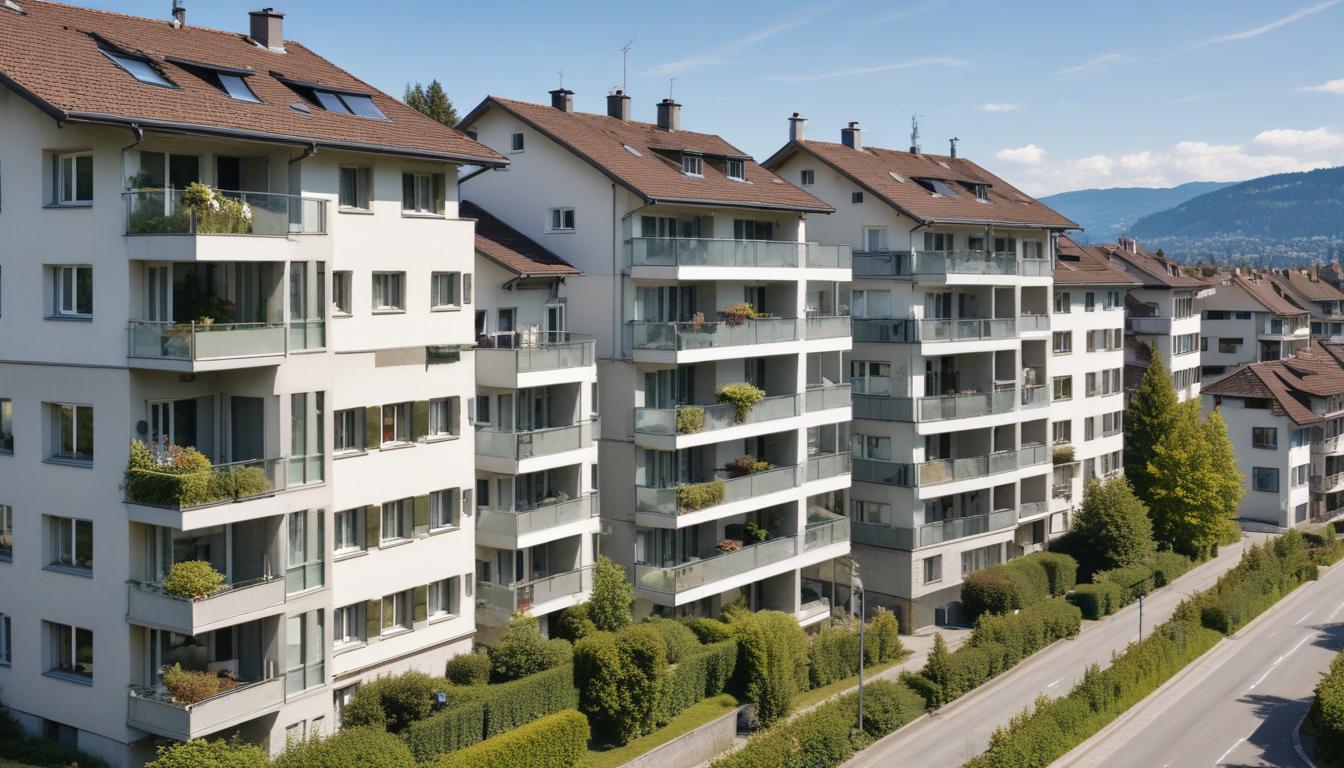
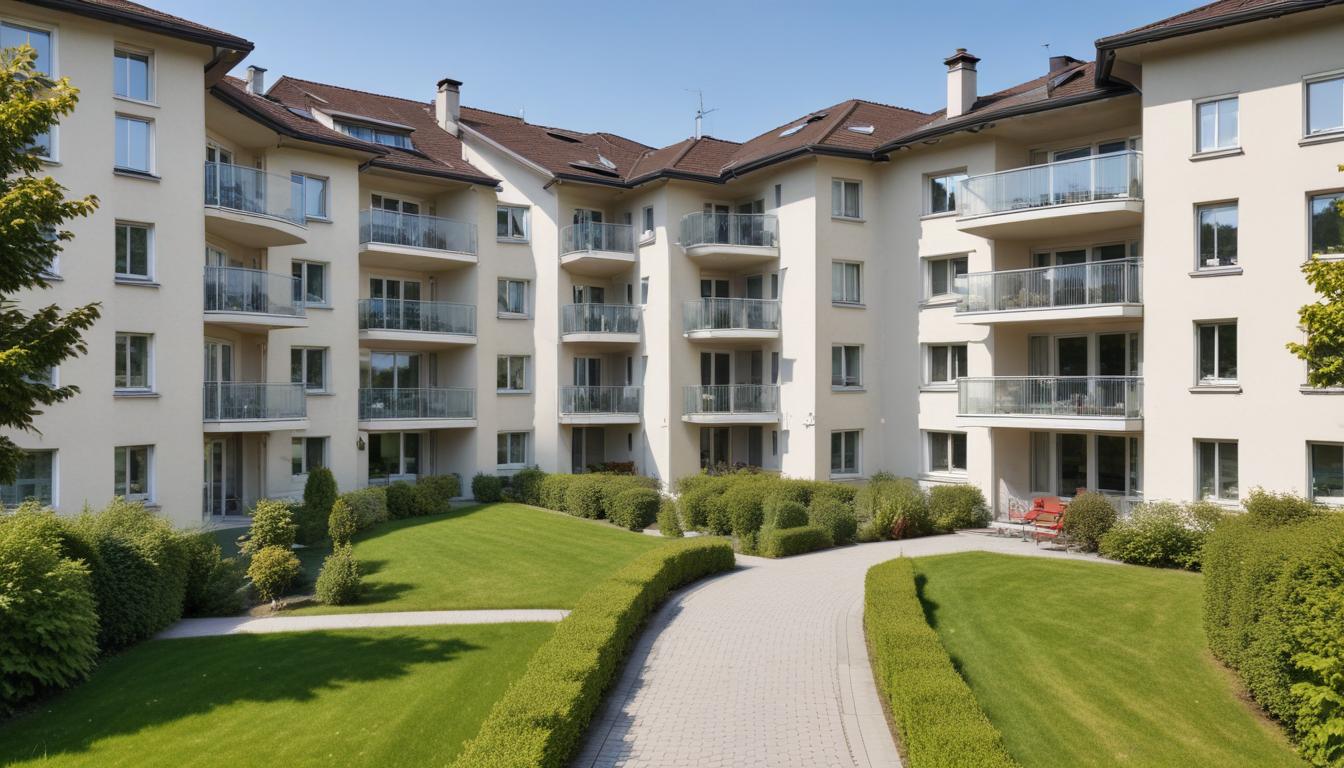
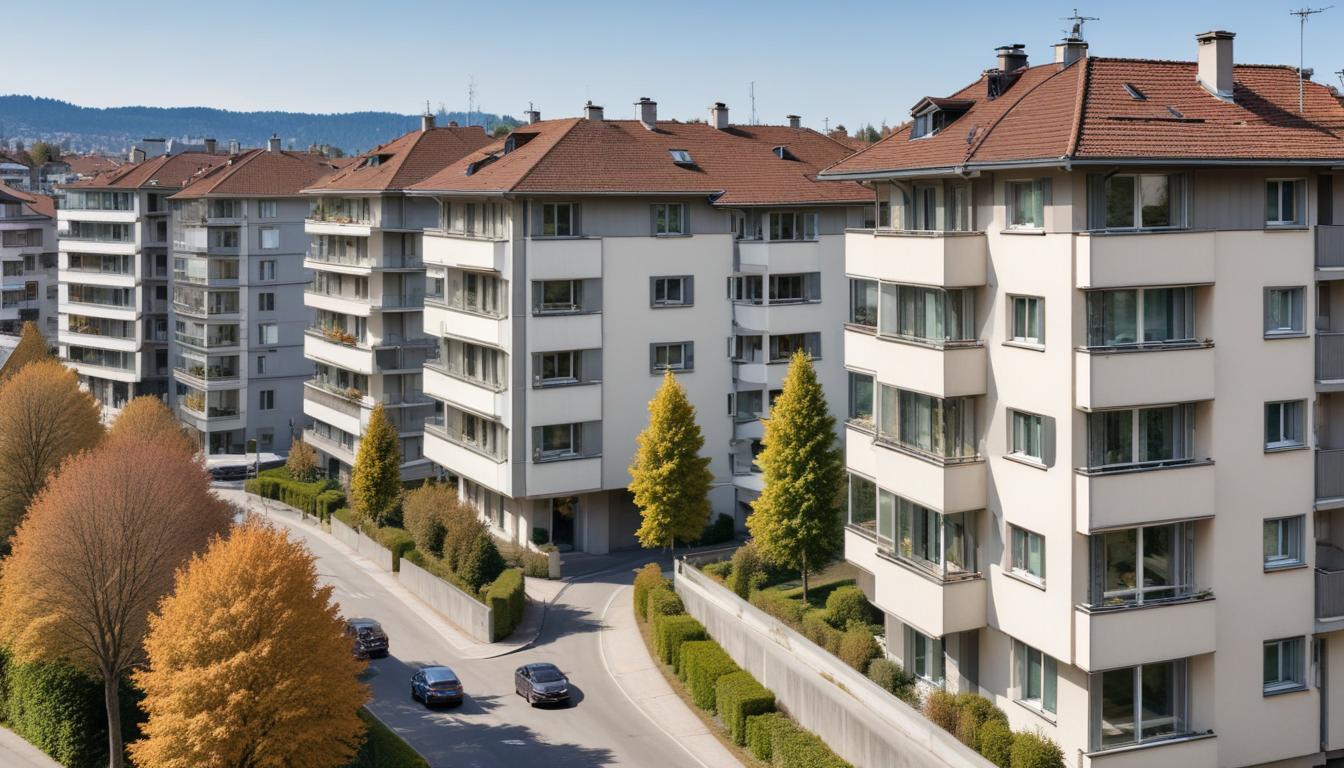
For 28-year-old professionals working in Zurich's financial district, the path to homeownership has never felt more distant. While properties in Kreis 5 and Wipkingen—traditionally the entry point for first-time buyers—hover around CHF 12,000–16,000 per square metre, the rental market they're currently trapped in tells a more complex story about how tenant protections are inadvertently pushing ownership timelines further into the future.
Switzerland's robust tenant rights regime, enforced through cantonal regulations and organisations like the Mieterverband, has created a paradox. Landlords facing stricter rent-increase caps, longer notice periods, and compulsory justifications for raises have begun either withdrawing smaller units from the market or consolidating portfolios into premium segments. The result: affordable rental stock in accessible neighbourhoods—Altstetten, Aussersihl, even sections of Hongg—has tightened considerably.
Data from recent property surveys suggests Zurich's median rent for a two-bedroom apartment now sits around CHF 2,400–2,600 monthly, up 3–4% year-on-year despite regulatory safeguards. For first-time buyers, this creates a savings headwind. A typical 20% deposit for a CHF 1.2 million apartment requires CHF 240,000—a target that becomes harder to reach when rental costs consume 35–40% of gross income.
Public bodies and institutions have acknowledged the tension. The Stadt Zurich's housing office, alongside organisations like Wohnforum, have intensified focus on affordable ownership schemes. First-time buyer grants, where available through municipal programmes, rarely exceed CHF 30,000–50,000. Cantonal mortgage subsidies exist, but eligibility thresholds exclude many dual-income professionals earning above CHF 140,000 combined.
Paradoxically, landlords are increasingly squeezed. Unable to sustain returns on properties where rents cannot rise meaningfully, some are converting residential units to office or tourist use—particularly in high-demand areas like Seefeld and Enge. This scarcity further compresses supply for renters, making the gap between stable tenancy and ownership feel less like a ladder and more like a cliff.
For first-time buyers, the message is blunt: delaying purchase decisions in hopes of rental relief misses the point. Even modest ownership—whether in emerging neighbourhoods like parts of Kreis 6 or cooperative housing models through foundations like Wogeno—locks in predictable housing costs. Remaining in a rent-squeezed market, by contrast, offers no accumulation pathway. The regulatory protections that safeguard existing tenants have inadvertently made entering the market the only rational long-term choice.
This article was compiled by AI from the sources linked above and screened before publishing. See our editorial standards.