The Numbers Don't Lie: What Zurich's Social Housing Investors Are Actually Earning
As the city grapples with an affordability crisis, a quiet revolution in yields is reshaping how the sector views returns.
As the city grapples with an affordability crisis, a quiet revolution in yields is reshaping how the sector views returns.
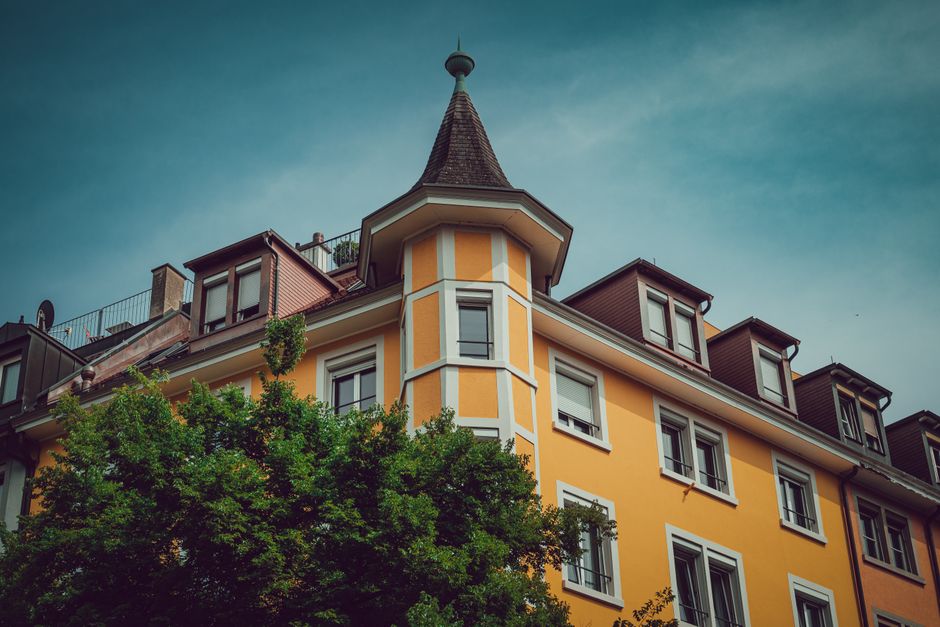
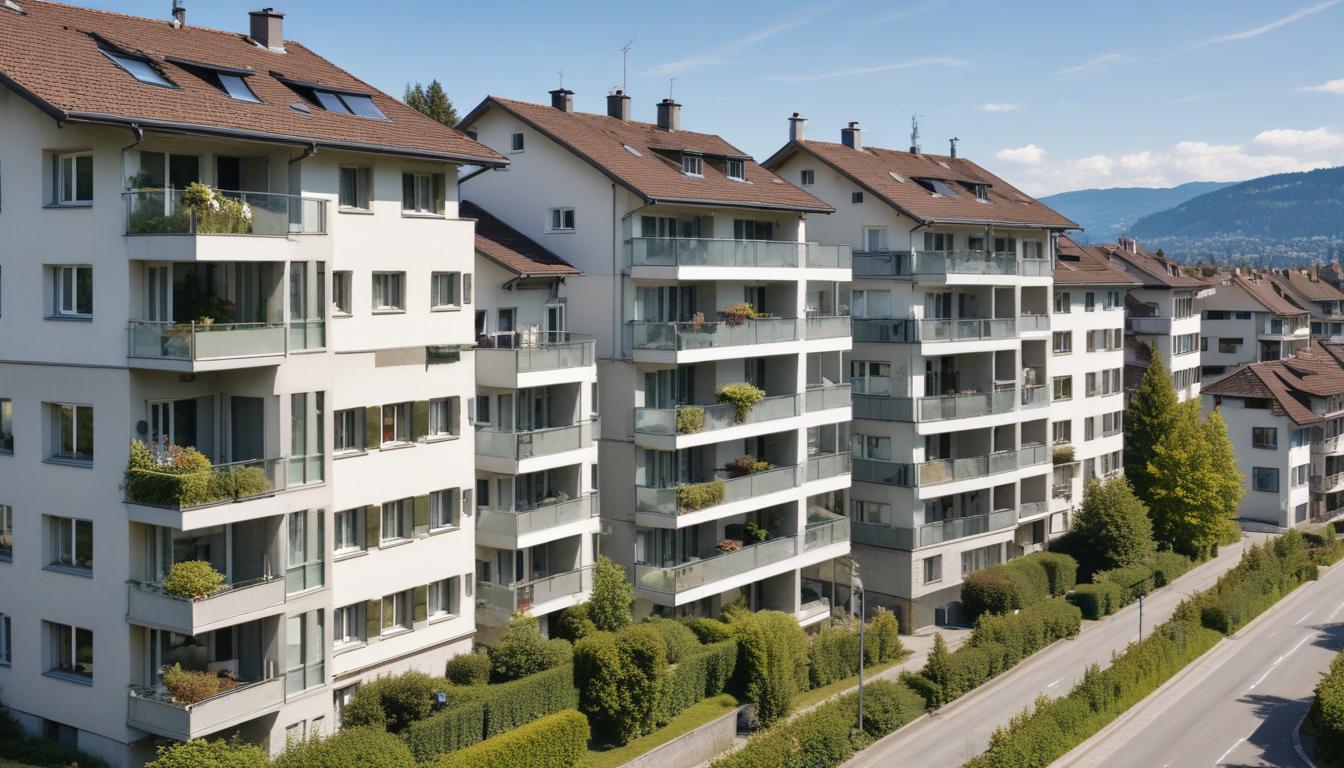
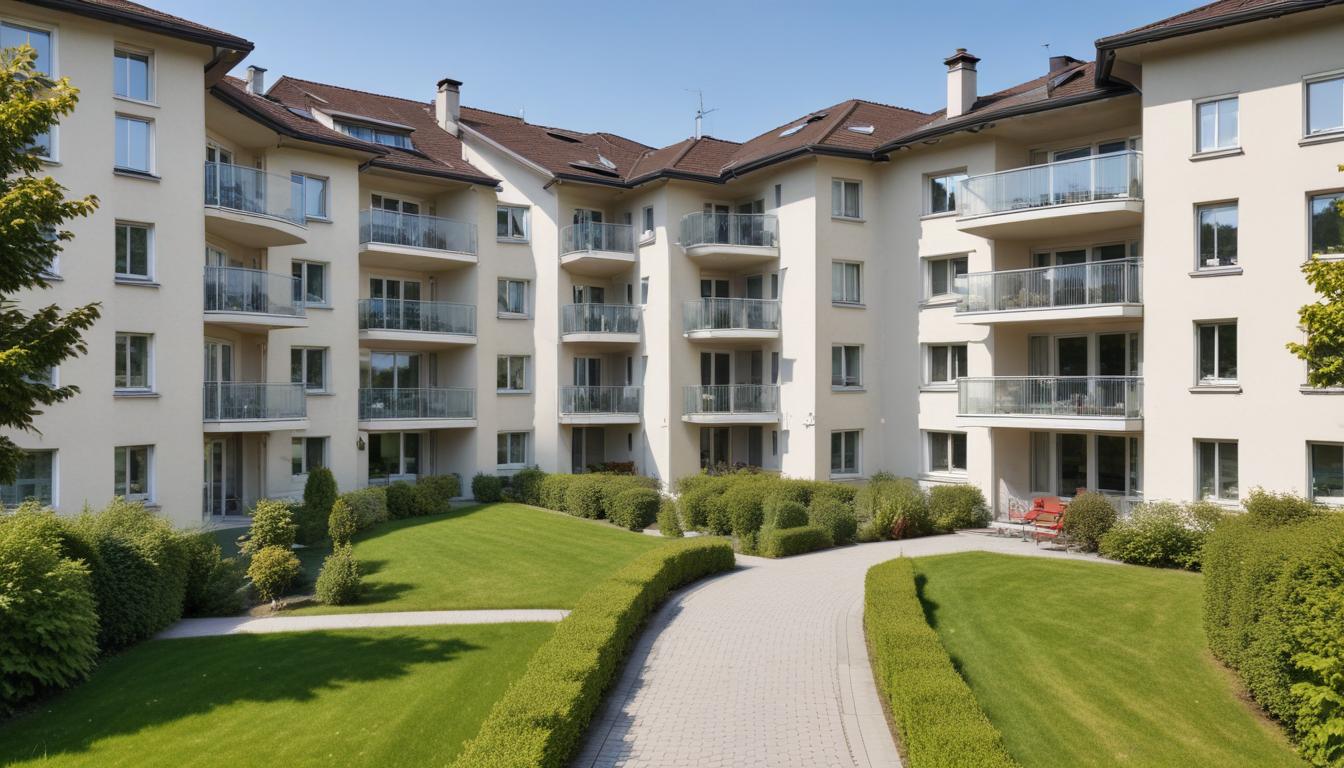
Zurich's social housing sector is delivering returns that would make traditional property investors pause. While the broader market obsesses over luxury lakefront premiums in Seefeld—where CHF 15,000 per square metre has become the baseline expectation—a parallel economy of institutional and cooperative investors is quietly harvesting competitive yields from affordable housing models.
The numbers tell a compelling story. Cooperatives managing stock across Wipkingen and Kreis 5 are reporting net returns of 2.5 to 3.8 per cent annually on their portfolios, despite rental yields capped well below market rate. A three-room flat on Rämistrasse that might command CHF 3,500 monthly on the open market instead generates CHF 1,800 to CHF 2,100 through social housing frameworks—yet the consistency of occupation and regulatory stability creates a predictability that commercial investors struggle to match.
The Zurich Cooperative Housing Association, which manages over 20,000 units across the metropolitan area, has published figures showing zero per cent vacancy rates for the past eighteen months. Compare that to the broader market's typical 2 to 3 per cent churn, and the risk profile shifts decisively. Capital preservation trumps capital appreciation in this category, and the data suggests that institutional money is finally pricing that security appropriately.
What's driving this reappraisal? Policy certainty. The recent extension of Zurich's affordable housing mandate—requiring 20 per cent of new residential development to remain price-controlled for fifteen years—has attracted pension funds and family offices seeking non-correlated assets. Swiss Life, UBS's real estate division, and several cantonal pension schemes have quietly expanded allocations to this segment over the past two years.
The arbitrage, however, remains narrow. Construction costs in the Wiedikon and Altstetten corridors have risen 12 per cent since 2024, squeezing development margins. Land acquisition on viable sites near the Limmat or along the S-Bahn network now commands prices that compress returns below 2 per cent without subsidy support. Public-private partnerships, which historically buffered these economics, are facing tighter municipal budgets.
The takeaway for investors watching this space: Zurich's social housing sector is maturing into genuine asset class territory. It won't compete with speculative gains seen in Seefeld or the luxury car-parking apartments making headlines. But for allocators pursuing steady-state income with demographic tailwinds—ageing populations, migration pressure, and regulatory protection—the yield story has become genuinely compelling. The numbers now justify the narrative.
This article was compiled by AI from the sources linked above and screened before publishing. See our editorial standards.
How does this story make you feel?
Spread the word
About this article
Published by The Daily Zurich
Daily brief
Free, in your inbox before 7am. Weekdays.
More in Property