Zurich's luxury property market has always been predictable: Seefeld and Enge command waterfront premiums near CHF 25,000 per square metre, while Kreis 5's creative cachet attracts younger wealth. But June's updated cantonal planning directive—loosening height restrictions in designated mixed-use zones while tightening single-family protections in core residential areas—is triggering an unexpected reshuffle among ultra-high-net-worth buyers.
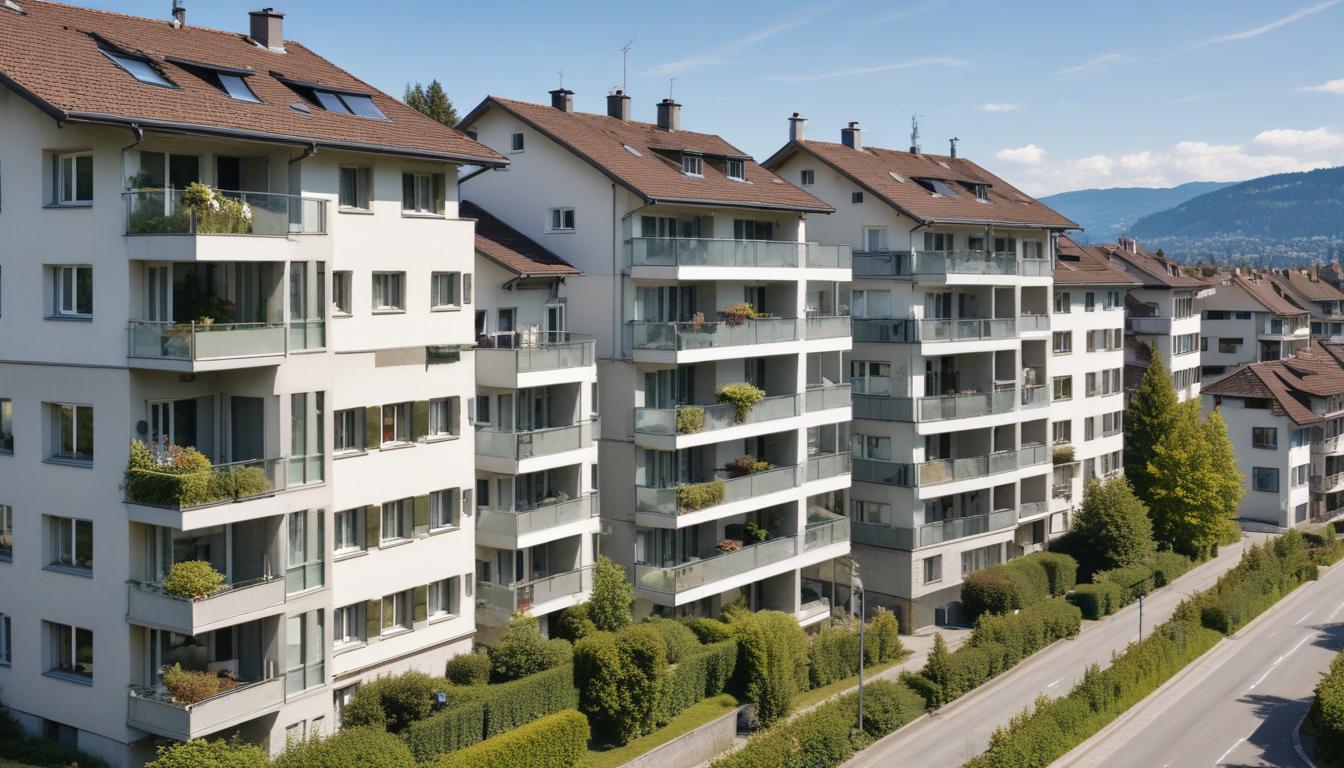
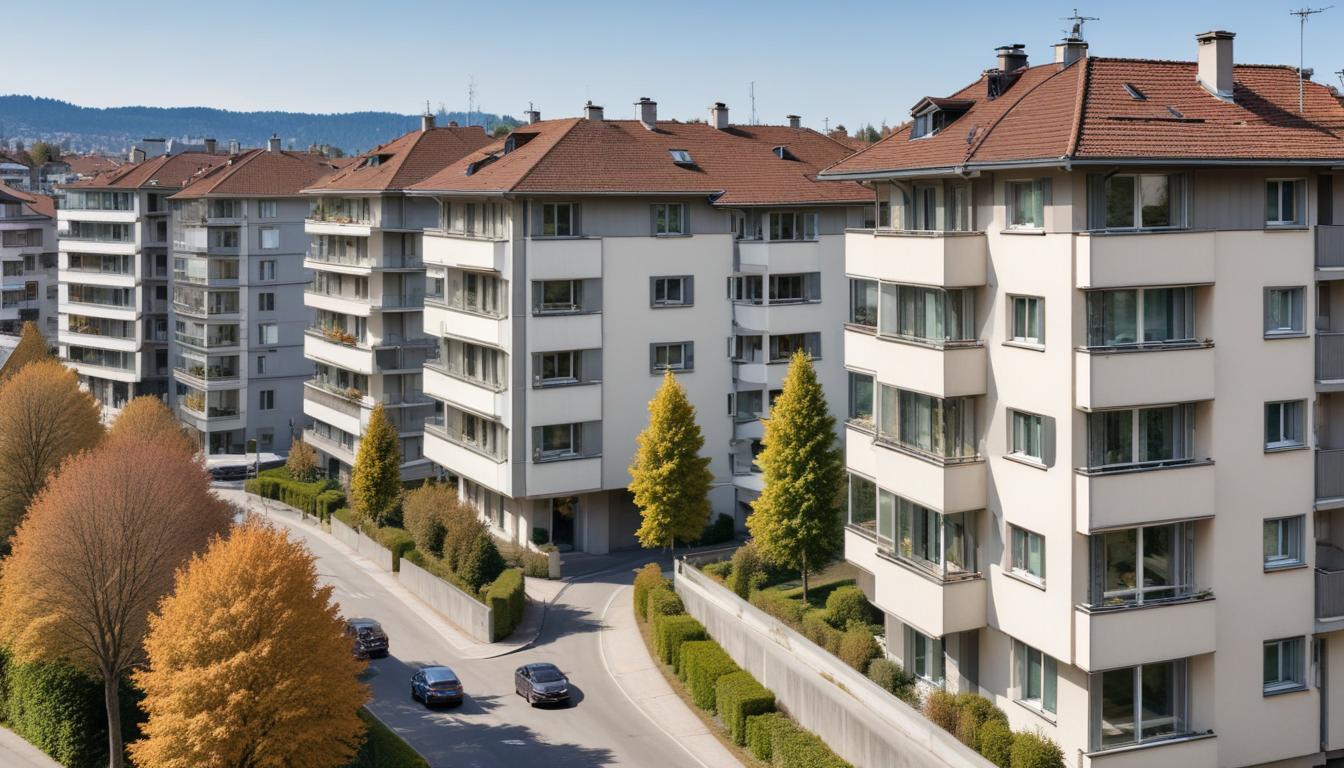
The policy, formally adopted by the Zurich Stadtrat in April following two years of consultation, permits developers to exceed traditional floor-area ratios (FAR) by up to 15 per cent in corridors spanning Wiedikon, parts of Aussersihl, and eastern Altstetten. The intention: encourage vertical density and preserve green space. The consequence: developers are scrambling to acquire corner plots and older apartment blocks in these zones, betting on mixed-use towers that blur residential-commercial lines.
"We're seeing a flight upmarket towards trophy assets in established zones, coupled with surprising investor interest in newly-zoned sites," notes Martin Keller, head of research at the Institut für Immobilienökonomie at the University of Zurich. The city's average residential property price hovers around CHF 15,000 per square metre; luxury segments (CHF 20,000+) have remained sheltered from broader market volatility. Until now.
Paradoxically, the regulations have made traditionally privileged addresses more insulated. By capping density in Seefeld and Enge—where single-family villas remain sacrosanct under updated guidelines—these neighbourhoods have attracted defensive buying. A five-bedroom lakeside property on Seefeldstrasse sold in March for CHF 8.7 million, roughly 12 per cent above 2024 comparables. Buyers perceive scarcity as protection.
Simultaneously, boutique developers are eyeing Kreis 5 plots near Langstrasse and around Zurich West (Zürich-West), where the new framework permits penthouse-heavy residential towers with ground-floor hospitality or cultural space. This hybrid model appeals to internationally mobile executives seeking lifestyle amenities alongside their residential investment.
The wildcard: timing. Properties in transition zones won't realise planning premiums for 18–24 months, creating a speculative lag. Institutional investors and family offices are positioning accordingly, while traditional high-net-worth residents—particularly those valuing privacy and established social infrastructure—are consolidating holdings in protected neighbourhoods.
Market observers expect continued bifurcation: heritage premium zones ascending as exclusivity deepens, while emerging sites accumulate patient capital betting on regulatory tailwinds. For luxury sellers, the message is clear: location has never been more nuanced.
This article was compiled by AI from the sources linked above and screened before publishing. See our editorial standards.