Zurich's New Developments Reshape Neighbourhoods—But at What Cost?
Ambitious projects across the city promise renewal and density, yet rising completion prices raise tough questions about who can actually afford to live in them.
Ambitious projects across the city promise renewal and density, yet rising completion prices raise tough questions about who can actually afford to live in them.
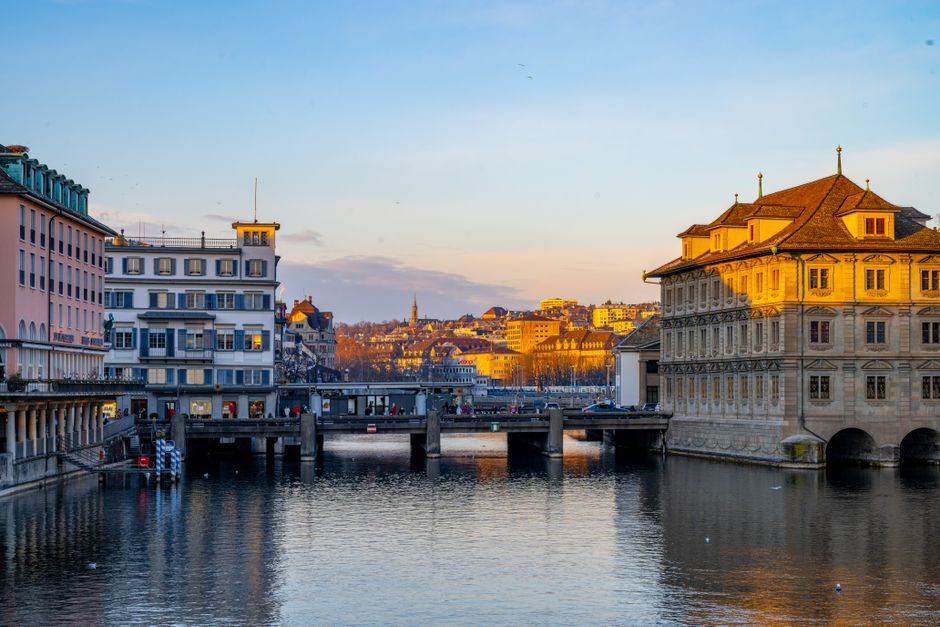
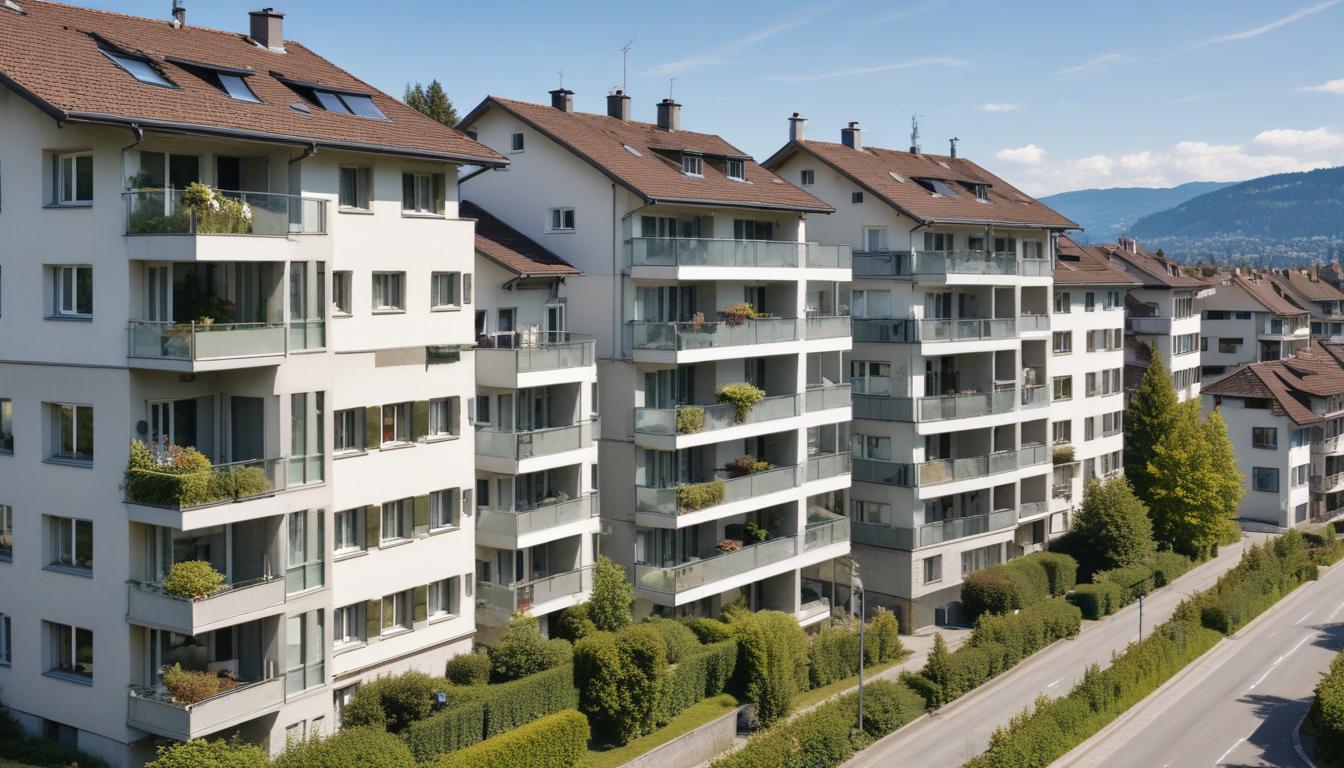
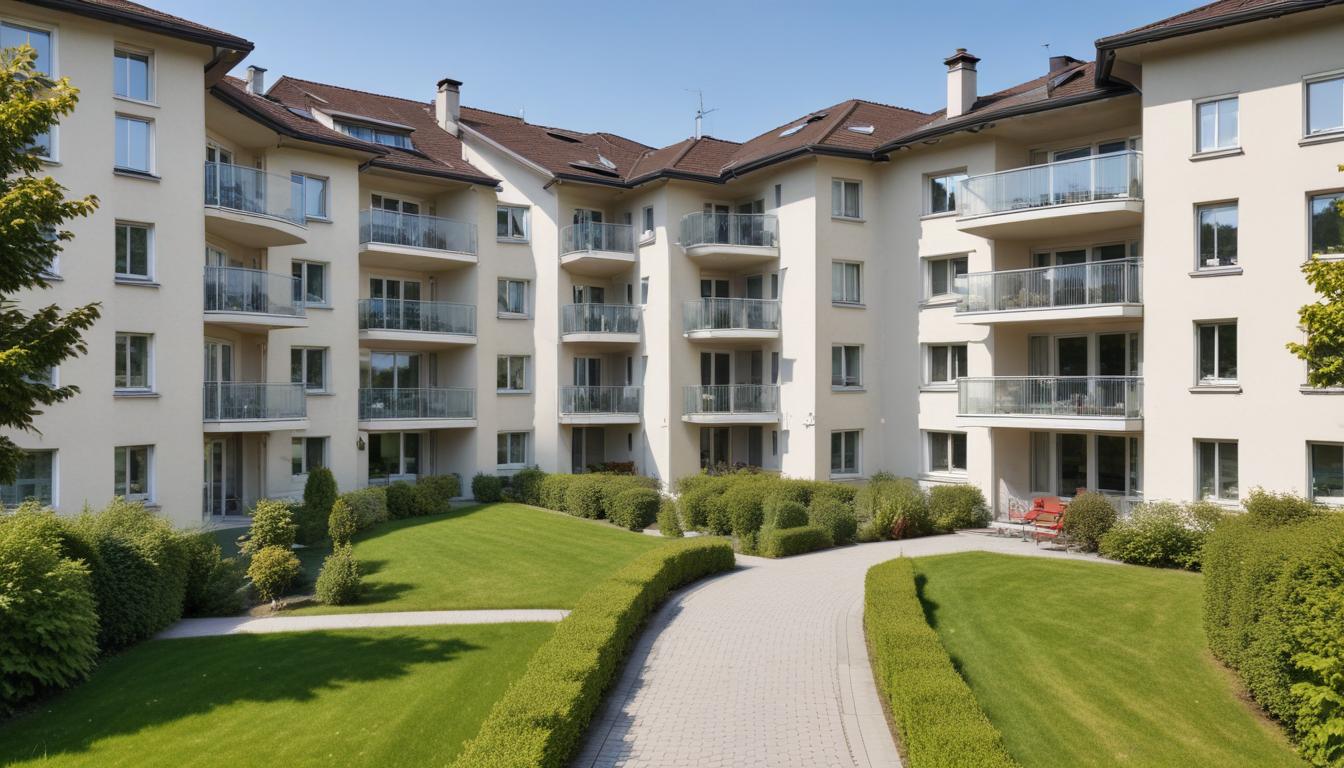
Zurich's housing market is experiencing a development surge that could fundamentally reshape how—and where—residents live. From the Europaallee transformation near Hauptbahnhof to mixed-use projects in Kreis 5 and Wipkingen, new construction is spreading across districts that once seemed residential bedrock. But with average property prices already hovering around CHF 15,000 per square metre, these new builds are forcing a crucial conversation about affordability in Switzerland's most expensive metropolitan area.
The Europaallee project epitomises this tension. Once industrial railway lands, the sprawling development promises thousands of new homes, offices, and public spaces. Yet early completion prices tell a cautionary tale: new apartments in the first phases are selling upwards of CHF 16,500 per square metre, pushing even modest two-room units well beyond CHF 1.2 million. For young families or single-income households, these remain theoretical dwellings.
Similar patterns are emerging in Wipkingen and Kreis 5, neighbourhoods that have become development hotspots precisely because they're cheaper than Seefeld or Enge's exclusive waterfront zones. A large mixed-use project on Badenerstrasse promises 180 apartments alongside ground-floor retail and cultural space. Marketing materials emphasise "urban renewal" and "community integration," yet completion prices already reflect the area's gentrification momentum—not resistance to it.
This raises a troubling question: do new developments actually improve housing availability, or do they simply monetise it differently? Zurich's cantonal housing office reports that rental affordability has declined 12 per cent since 2022, even as construction activity accelerated. New projects attract capital, attract investors, and attract premium pricing. Few developments incorporate meaningful social housing percentages or price-controlled units.
The Seefeld and Enge waterfront premium remains instructive—those neighbourhoods transformed through precisely this mechanism over three decades. Each new project justified higher surrounding valuations. Residents who bought decades ago saw spectacular gains. Those arriving today face exclusion.
City planners insist new supply eventually moderates prices. They point to zoning reforms that increased density allowances in peripheral districts. Yet evidence suggests new-build pricing follows demand curves, not supply ones. When a neighbourhood becomes "developed," it has already become expensive.
Zurich's development pipeline through 2028 includes over 8,000 new units across multiple projects. City officials frame this as crucial urban intensification. Affordability advocates see displacement machinery. The truth, likely, is both. These projects will reshape Zurich's geography and demographics. Whether they improve housing access remains an open question—and an urgent one.
This article was compiled by AI from the sources linked above and screened before publishing. See our editorial standards.
How does this story make you feel?
Spread the word
About this article
Published by The Daily Zurich
Daily brief
Free, in your inbox before 7am. Weekdays.
More in Property