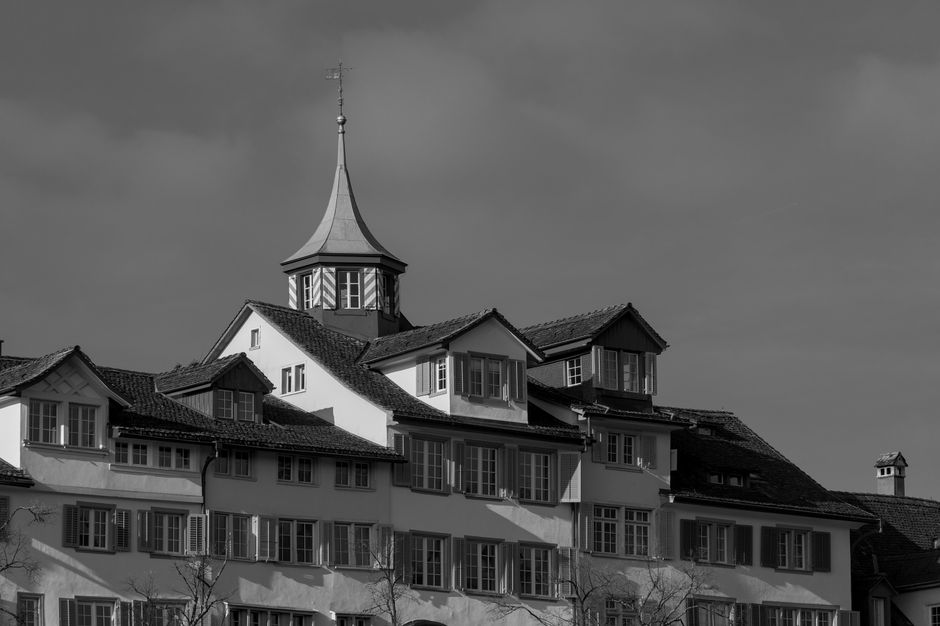
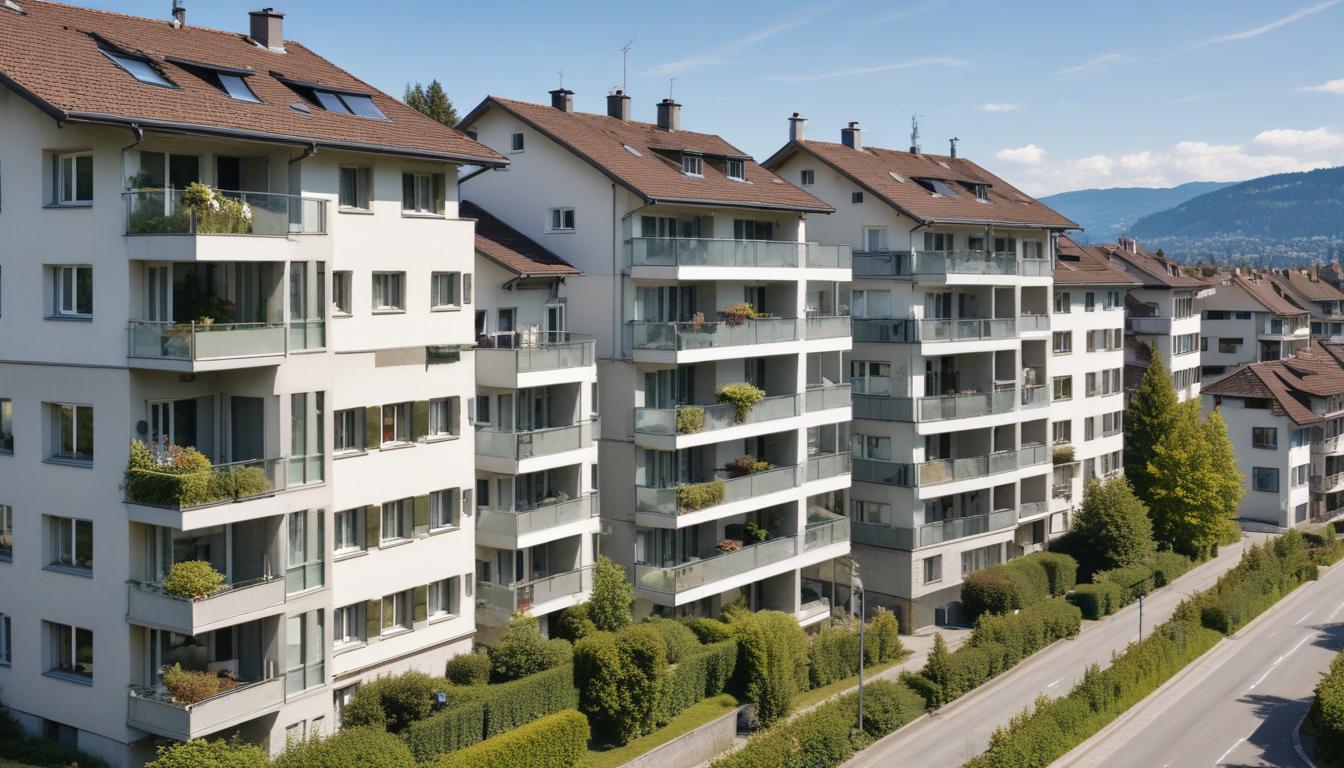
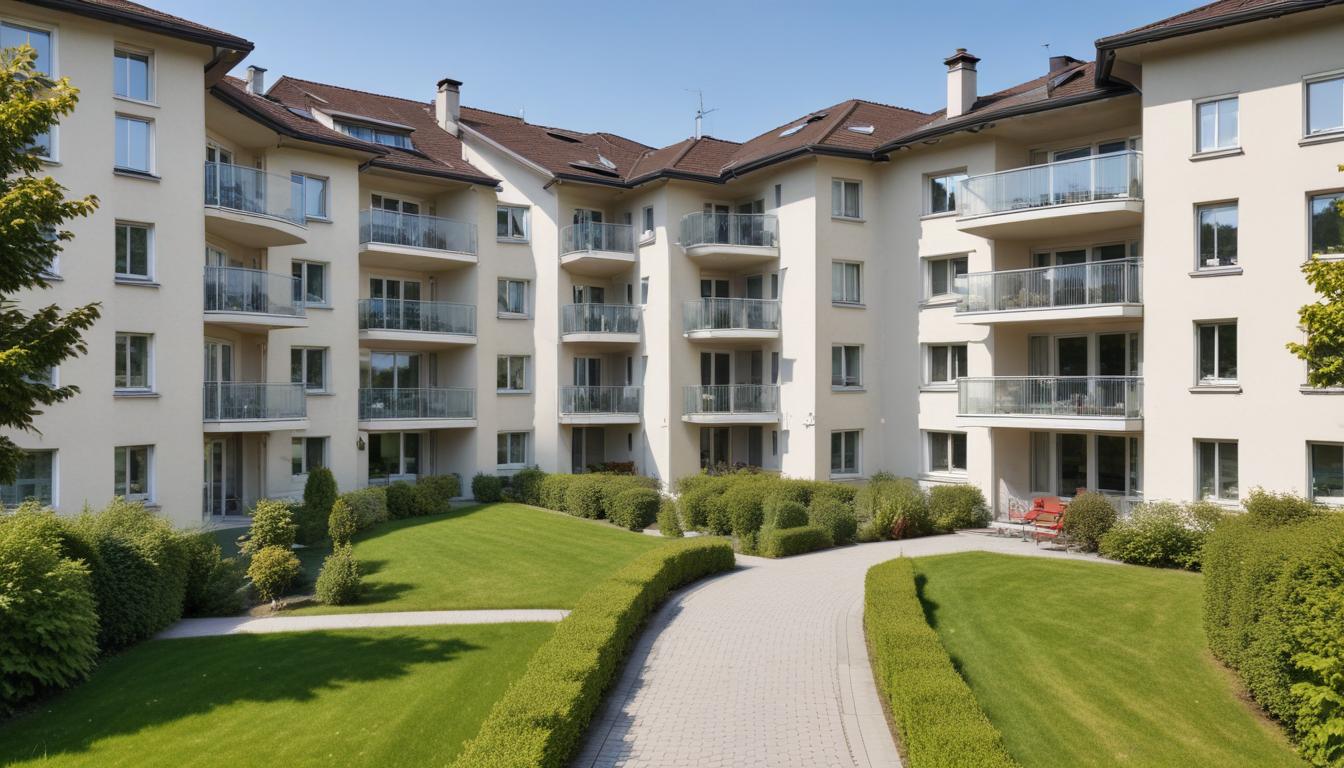
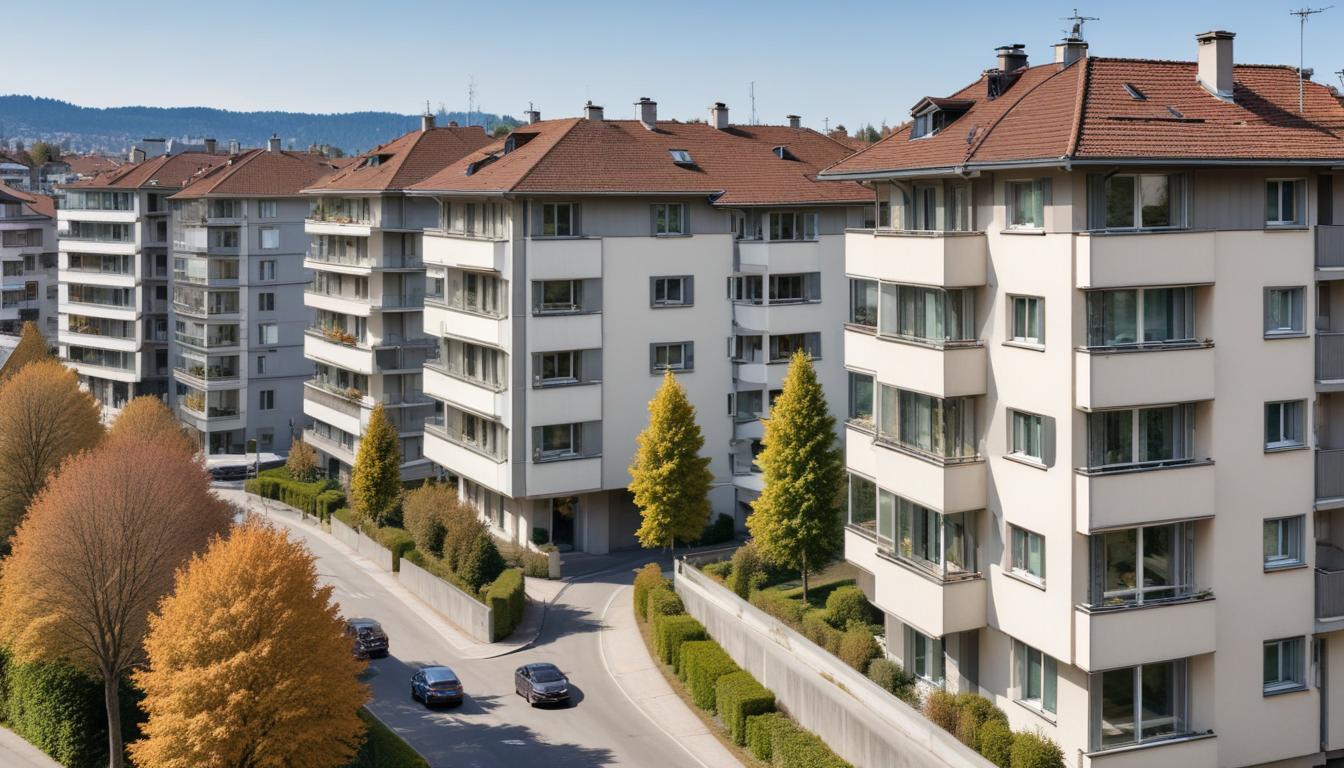
Walk along Bellerivestrasse in Seefeld and you'll notice something striking: handwritten signs advertising vacant apartments disappear within days. In Zurich's most coveted neighbourhoods, the rental market has shifted decisively in landlords' favour, a dynamic reshaping the relationship between property owners and tenants in ways not seen for nearly a decade.
The numbers tell the story. Across Zurich's prime rental zones—Seefeld, Enge, and the increasingly competitive Kreis 5 corridor around Langstrasse—vacancy rates have compressed to between 0.8 and 1.2 per cent. With average rents now exceeding CHF 4,200 per month for a two-bedroom apartment in waterfront districts, and the broader city averaging CHF 15,000 per square metre for purchases, renters face a market where leverage has evaporated entirely.
The consequences ripple through both demographics. Landlords, emboldened by scarcity, are increasingly selective. Long-standing tenants report surprise rent increases justified by minimal renovations—a new kitchen justifying a 12 per cent bump, for instance. Meanwhile, first-time renters find themselves competing fiercely: references checked meticulously, deposits demanded upfront, and move-in dates negotiated downward as landlords maintain occupation gaps rather than make concessions.
In neighbourhoods like Wipkingen, where younger professionals have increasingly planted roots, rental turnover has accelerated as leases end. The district's emerging cultural institutions—its gallery cluster around Kalkbreite and growing restaurant scene—have made it attractive precisely to tenants willing to sacrifice space for location. Yet that desirability now works against them: new leases here start CHF 400–600 above previous occupant rates.
Tenant advocacy organisations report record inquiries. The fundamental power imbalance—where supply cannot meet demand—creates conditions where standard protections feel theoretical. A tenant serving notice faces landlord delays returning deposits; a landlord holding inventory empty for months still profits from appreciation. Neither faces meaningful consequences.
Yet cracks are emerging. Discussions at Mieterverband meetings hint at frustration among smaller residential landlords, who face tax obligations and maintenance costs that empty apartments don't justify indefinitely. Some are reconsidering strategies, recognising that professional management—offering competitive rents to secure reliable, long-term occupants—might outperform speculative holding.
The rental market's current configuration isn't sustainable indefinitely. Zurich's housing shortage is real, but so is the political will to address it. As cantonal authorities explore conversion incentives and developers eye Kreis 5 expansion, the question becomes whether this landlord-favoured cycle represents a new normal, or merely a peak before correction arrives.
This article was compiled by AI from the sources linked above and screened before publishing. See our editorial standards.