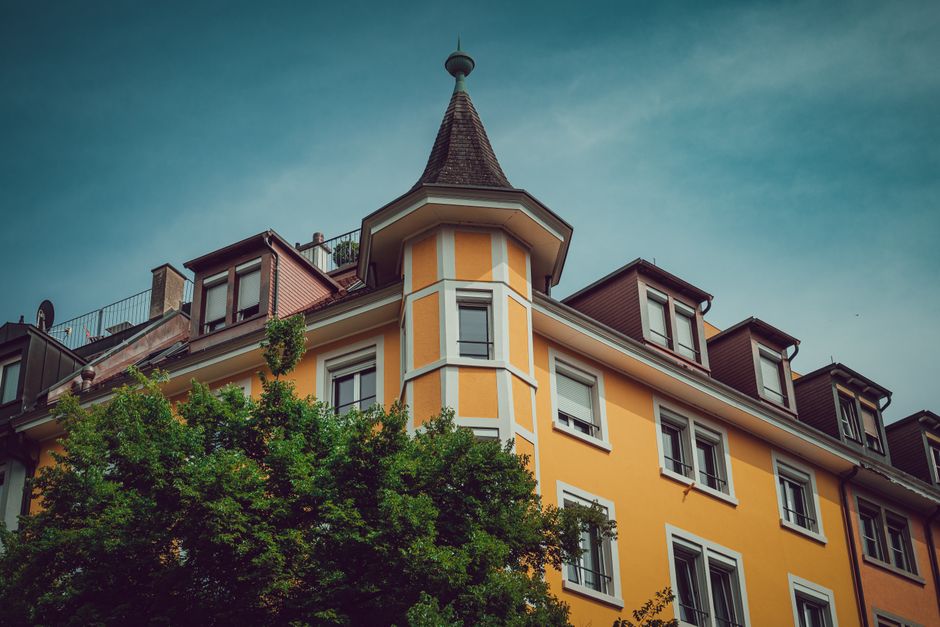
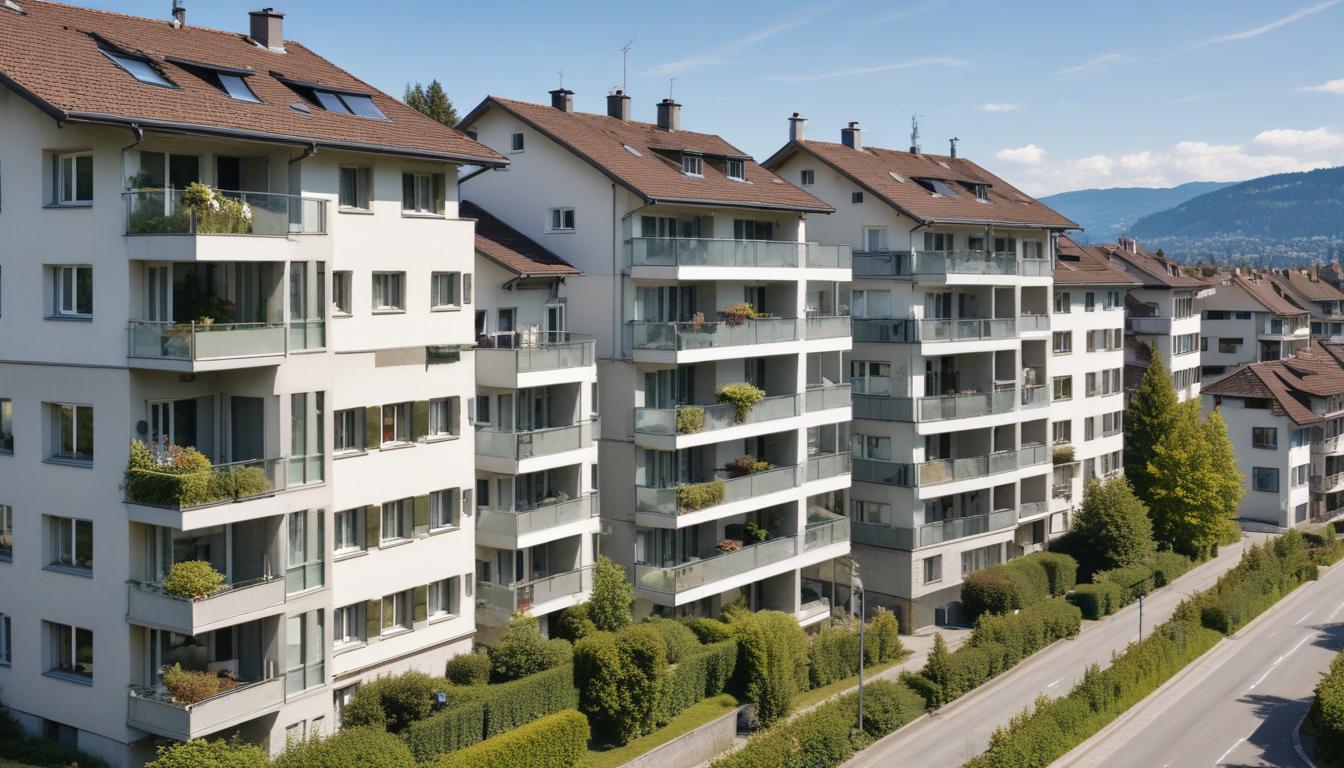
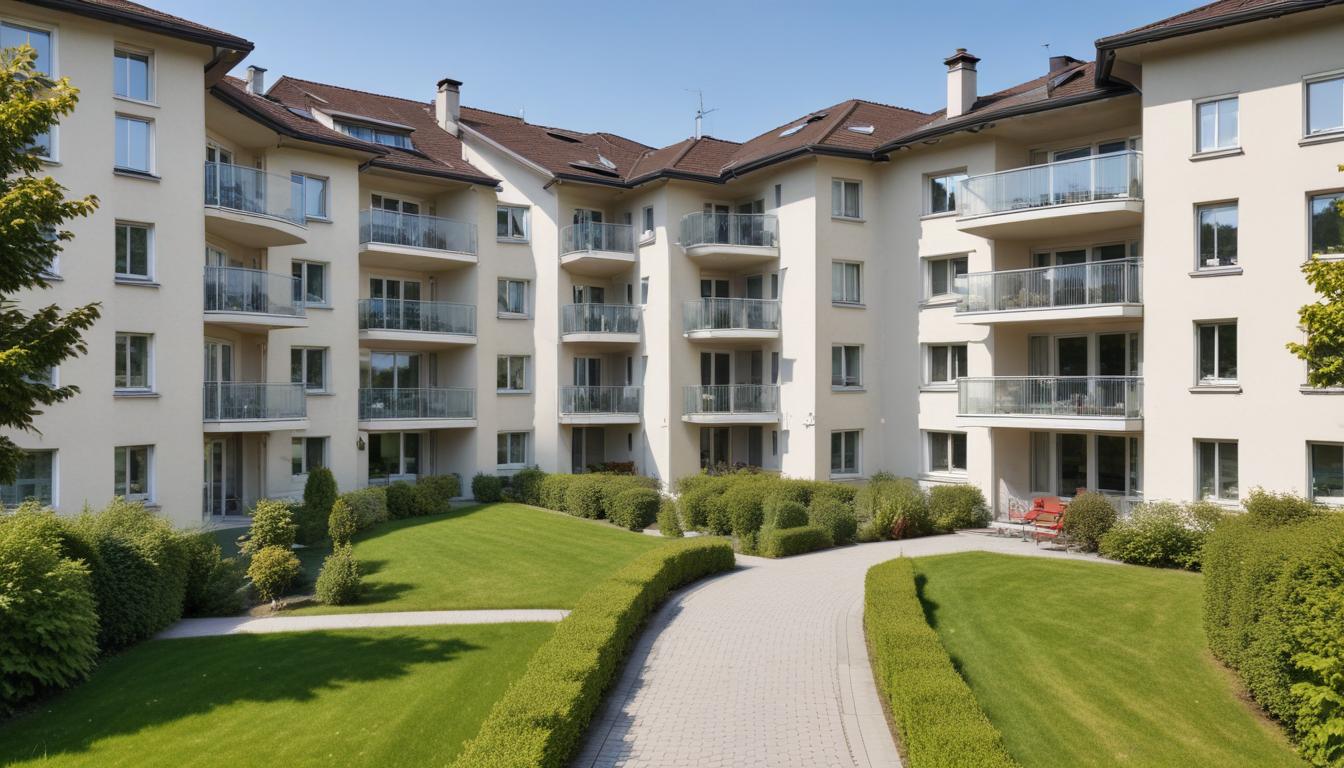
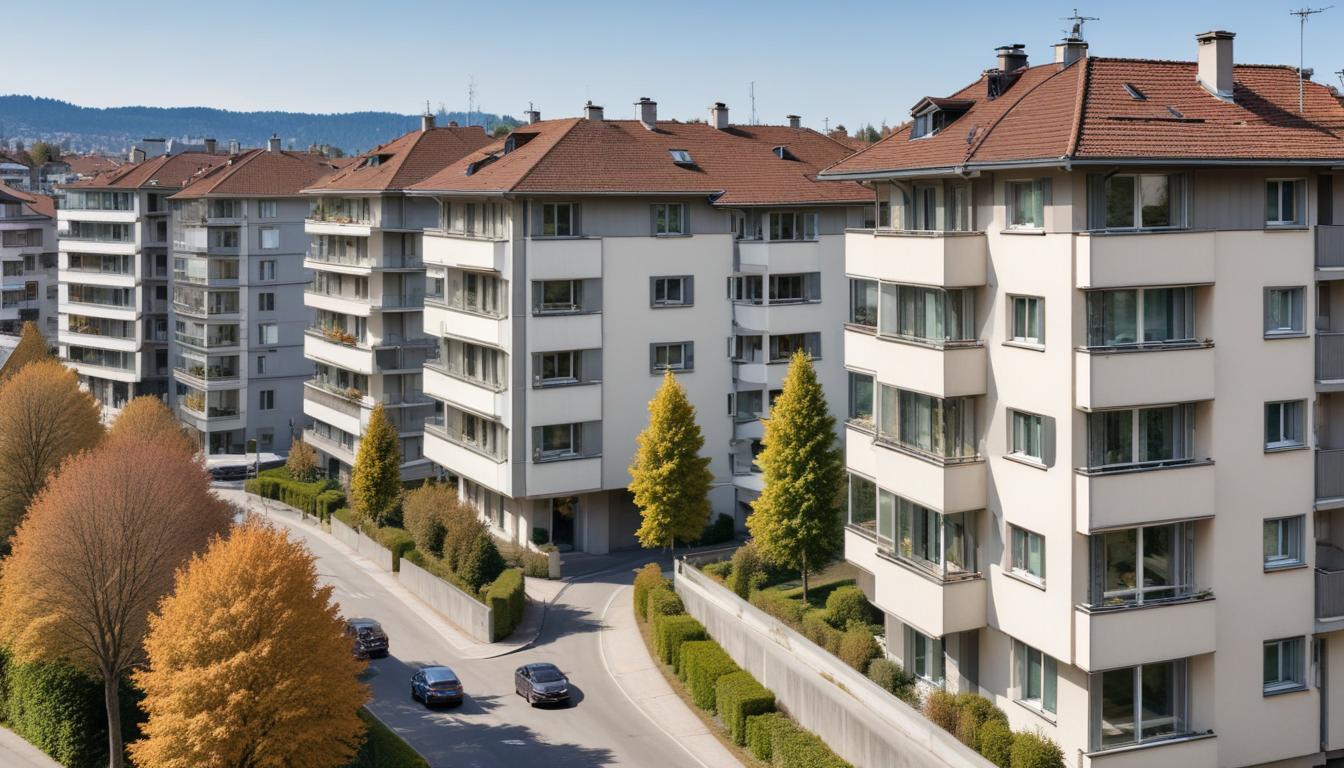
For decades, Altstetten has lived in the shadow of Zurich's gilded lakeside neighbourhoods. The neighbourhood—anchored by its railway yards and industrial heritage along the Limmat's western bank—was dismissed as a working-class holdout. Today, that narrative is shifting dramatically. As vacancy rates across Zurich's rental market hover near historic lows of 0.8%, Altstetten has emerged as the city's most dynamic investment opportunity, with annual rental growth outpacing even Kreis 5's trendier pockets.
The numbers tell the story. Median rents in Altstetten now sit around CHF 2,400 for a two-bedroom apartment—still roughly 20% below Seefeld or Enge, but climbing by 6–7% annually. Property yields for buy-to-let investors have reached 3.2%, among the highest in central Zurich. The catalyst? Infrastructure investment and demographic shift. The extension of tram line 8 to connect directly with HB and the ongoing redevelopment of the SBB railway lands into mixed-use residential and cultural space have fundamentally reshaped perceptions.
What's attracting tenants isn't nostalgia. Young professionals and families are discovering that Altstetten offers what central Zurich increasingly cannot: space, affordability, and authenticity. The neighbourhood's cobbled streets around Zürichbergstrasse now host independent cafés, vintage shops, and galleries. The Migros-Museum für Gegenwartskunst draws cultural traffic. Meanwhile, the Limmatweg cycling path—recently upgraded—connects residents directly to the city centre in under 15 minutes by bike.
Local letting agents report vacancy rates in Altstetten of just 0.4%—lower than the city average—driven by limited new supply and rising demand. Investors who secured properties here five years ago at CHF 12,000–13,000 per square metre are now seeing comparable units valued at CHF 14,500 or higher. Development pressure is mounting; several former industrial sites between Schiffbaustrasse and the Limmat are earmarked for residential conversion over the next three years.
Still, market analysts caution against euphoria. Altstetten's reputation remains patchy; crime statistics and air quality around transport corridors remain concerns for some tenants. Zoning restrictions may limit rapid densification. And as interest in the neighbourhood spreads, the rental arbitrage that made early investment so attractive could narrow.
For investors willing to hold medium-term and tenants seeking value without sacrificing city convenience, however, Altstetten's moment appears genuine. The West is rising.
This article was compiled by AI from the sources linked above and screened before publishing. See our editorial standards.