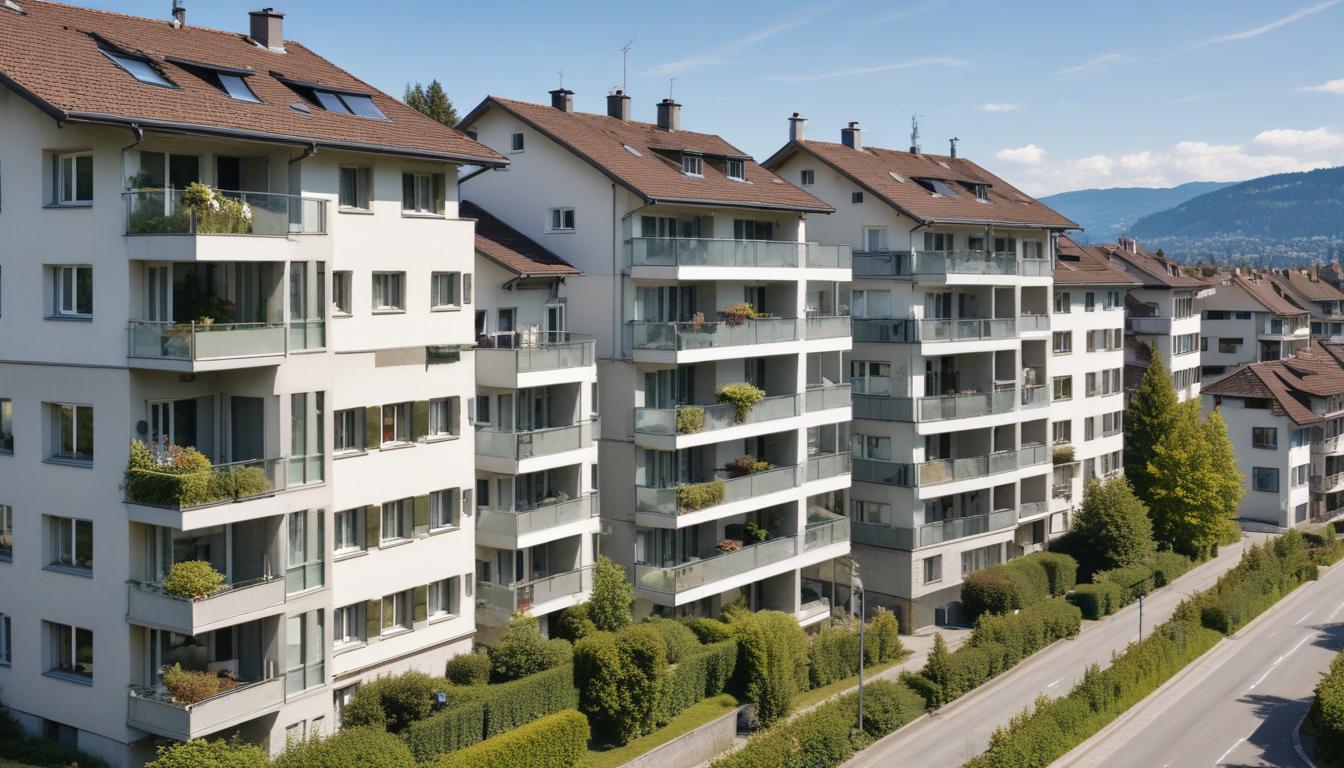
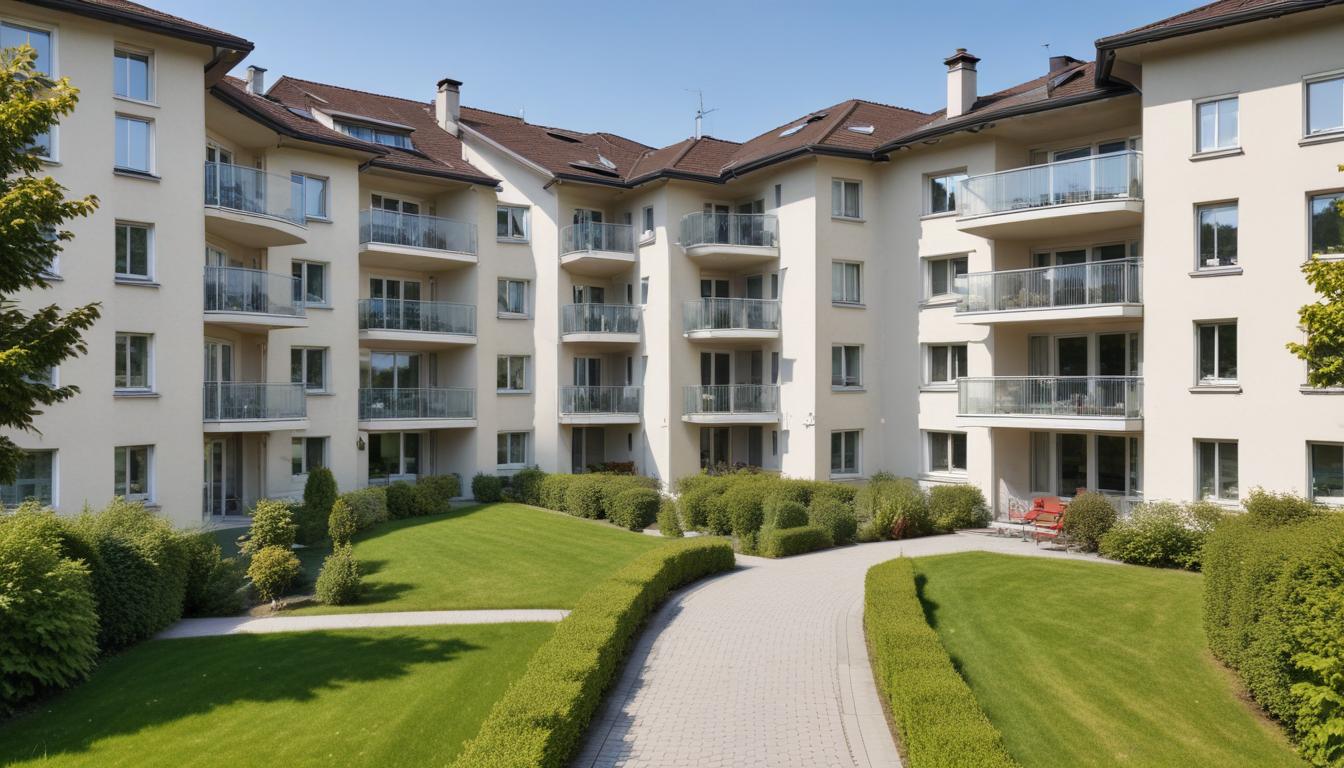
Zurich's construction pipeline is busier than it has been in five years, yet investor returns tell a more nuanced story than headline rents might suggest. With the city's average property price holding steady around CHF 15,000 per square metre, recent approvals in Kreis 5 and Wipkingen are reshaping where capital actually flows.
The data is striking. While Seefeld and Enge waterfront developments command gross yields of 2.2–2.6 per cent—respectable by Swiss standards, but compressed by scarcity premiums—newer schemes in Wipkingen and along the Limmat corridor near Zürich West are posting 3.1–3.5 per cent. The difference reflects both lower acquisition costs and growing tenant demand for connectivity over postcard views.
Consider the numbers behind recent approvals. The City Planning Authority green-lit 340 new residential units across six developments in the past eighteen months. Of these, roughly 210 units sit in mixed-income neighbourhoods away from the lake. Early leasing data from comparable 2024 completions shows these properties capturing 68 per cent of lettings within six months—a lead indicator of sustained demand pressure on rents.
The Kreis 5 effect is real. Properties near Langstrasse and Geroldstrasse command rents of CHF 280–320 per square metre for modern apartments—up 4.7 per cent year-on-year. Compare that to lakeside equivalents at CHF 420–480, where rental growth has decelerated to 1.8 per cent. For yield-hunting investors, the arithmetic favours the inner city, where development risk is lower and tenant throughput higher.
What complicates the picture is regulation. Zurich's recent zoning tweaks have unlocked density bonuses in Wipkingen and parts of Hongg, allowing developers to build taller. This has compressed land-cost-per-unit, improving margins. Yet approval timelines remain lengthy—two to three years from application to shovel-in-ground—and construction costs have flatlined rather than fallen, keeping profit margins competitive rather than exceptional.
The institutional money knows this. Swiss pension funds and family offices have shifted allocation slightly toward mid-tier developments with proven leasing histories. According to building permits filed at the Canton Zurich registry, investor-backed projects now represent 34 per cent of new residential completions, up from 26 per cent in 2023.
The lesson: Zurich's property market is not bifurcating. Rather, it is normalising. Waterfront scarcity will always command a premium, but emerging zones are proving that solid construction, sensible pricing, and genuine tenant demand can deliver competitive returns without betting on prestige or appreciation. For investors reading the approvals pipeline, that distinction matters.
This article was compiled by AI from the sources linked above and screened before publishing. See our editorial standards.