First-Time Buyer's Guide: Navigating Zurich's Tight Rental Market in 2026
With vacancy rates hovering near historic lows, newcomers to the city must act fast and smart to secure housing in Switzerland's most competitive property market.
With vacancy rates hovering near historic lows, newcomers to the city must act fast and smart to secure housing in Switzerland's most competitive property market.
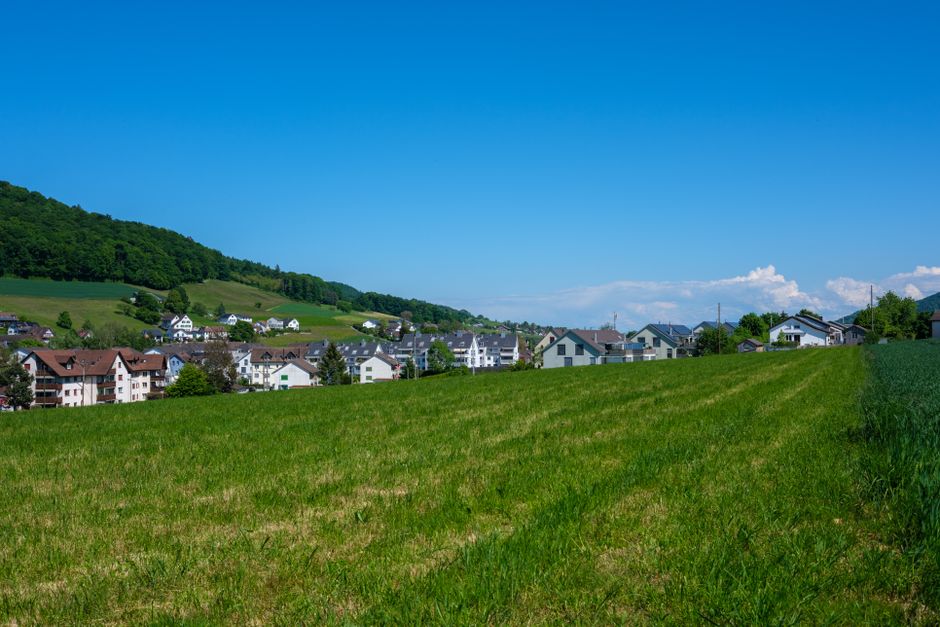
Zurich's rental market has become a crucible for first-time buyers and renters alike. With vacancy rates languishing below 0.5 percent—among the lowest in Europe—competition for apartments remains fierce. For those entering the market for the first time, understanding the landscape is essential before committing to one of Europe's most expensive cities, where prime residential space commands upwards of CHF 15,000 per square metre.
The challenge is particularly acute in sought-after neighbourhoods. Seefeld and Enge, with their lakefront prestige and proximity to cultural institutions along the Zürichberg, command premium rents that can exceed CHF 4,500 monthly for a modest two-bedroom. Meanwhile, emerging areas like Wipkingen and Kreis 5 offer slightly more breathing room, though gentrification has steadily eroded affordability advantages.
First-time buyers should begin their search through established platforms and neighbourhood-specific channels. While major online portals remain competitive, direct contact with property managers and local real estate associations often yields better results. The Zurich Chamber of Commerce and organisations operating from Bleicherweg can provide vetted lists of property agencies specialising in first-time rentals.
Timing matters enormously. Most leases in Zurich align with quarterly termination dates, meaning availability spikes in March, June, September, and December. Starting your search six to eight weeks before these windows dramatically improves prospects. Conversely, searching outside these periods can yield unexpected gems from landlords managing mid-cycle turnovers.
Preparing documentation is non-negotiable. Swiss landlords demand proof of income (typically requiring three months of payslips), employment contracts, bank statements, and references from previous landlords. First-time renters without Swiss history should provide additional documentation: university transcripts, employer letters confirming stability, or guarantees from Swiss residents. Delay here costs opportunities.
Budget realistically. The national average for first-time renters hovers around CHF 2,800 monthly for a one-bedroom apartment in accessible neighbourhoods like Altstetten or Wiedikon. Premium districts demand substantially more. Factor in utilities (typically CHF 150–250 monthly), and ensure housing costs don't exceed 30 percent of gross income—a strain for many newcomers earning Swiss entry-level wages.
Finally, consider expanding your search radius. Areas along the S-Bahn corridors—particularly towards Schlieren, Dietikon, and Horgen—offer marginally better availability and notably lower rents while maintaining reliable commute times to central Zurich. The trade-off between location and affordability remains the market's defining reality.
Success in Zurich's rental market demands preparation, flexibility, and realistic expectations. For first-time buyers willing to adopt these strategies, securing housing remains achievable despite the competitive environment.
This article was compiled by AI from the sources linked above and screened before publishing. See our editorial standards.
How does this story make you feel?
Spread the word
About this article
Published by The Daily Zurich
Daily brief
Free, in your inbox before 7am. Weekdays.
More in Property