First-Time Buyers Face Reality Check: What Zurich's Investor Yields Actually Reveal
As grant schemes expand, new data shows rental returns in premium neighbourhoods barely cover costs—and first-time buyers are learning the hard way.
As grant schemes expand, new data shows rental returns in premium neighbourhoods barely cover costs—and first-time buyers are learning the hard way.
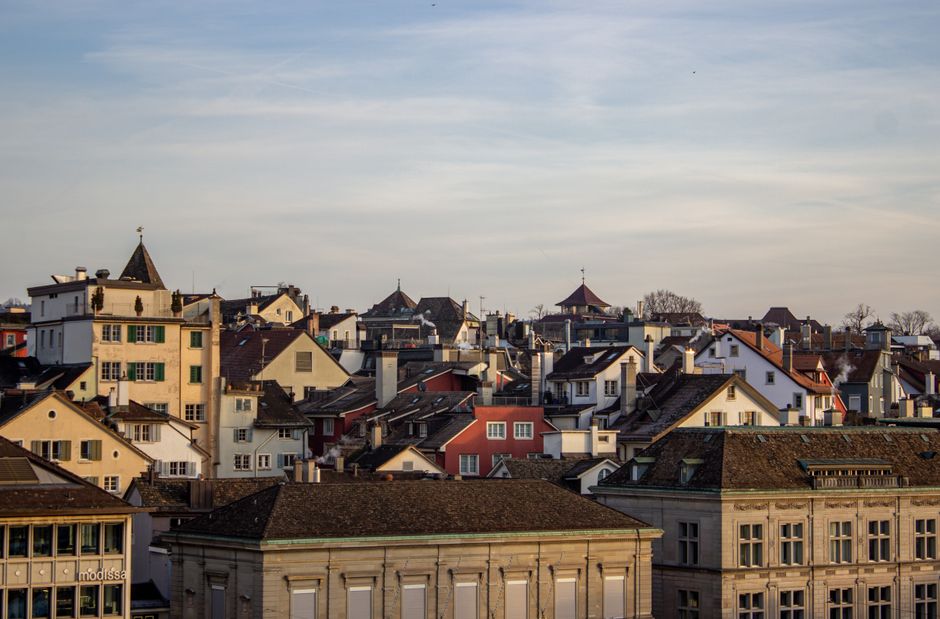
Zurich's first-time buyer market is undergoing a quiet reckoning. While cantonal grants and favourable mortgage terms continue to attract young purchasers, emerging data on investor yields tells a starkly different story than the optimistic marketing suggests.
The numbers are sobering. Properties in Seefeld and Enge—the city's most coveted waterfront zones—command average prices of CHF 18,000–22,000 per square metre. A modest 80-sqm apartment there costs roughly CHF 1.6–1.76 million. Rental yields? Barely 2–2.3 per cent annually. After mortgage servicing, maintenance, and insurance, first-time buyers betting on capital appreciation rather than income face years of negative cash flow.
Kreis 5's Wipkingen neighbourhood tells a different tale. Once overlooked, it now trades at CHF 14,000–16,000 per sqm. Here, yields climb to 3–3.5 per cent—still modest by international standards, but sufficient to offset some carrying costs. Yet even this trendy quarter's improved returns underscore a fundamental constraint: Zurich's property market prices in expectations that are already extraordinary.
Cantonal first-buyer schemes—including down-payment assistance and tax deductions on mortgage interest—remain valuable. Yet they function more as affordability lubricants than game-changers. A CHF 100,000 grant reduces a CHF 1.5 million purchase by 6.7 per cent. Helpful, but not transformative when yields hover at 2 per cent and appreciation rates are uncertain.
The real lesson emerging from investor data is this: Zurich property is primarily a wealth-storage mechanism, not a yield engine. Young buyers in Altstetten or Oerlikon can access better rental returns—4–4.5 per cent—but at the cost of commuting times and neighbourhood amenities. Central locations command premium prices for lifestyle and location security, not income.
Organisations like the Hypothekarverband (mortgage association) and cantonal housing authorities continue promoting first-buyer initiatives. Yet the underlying reality—that Zurich's cost structure leaves little room for positive cash flow until property values shift meaningfully—remains largely unspoken in promotional materials.
For first-time buyers, the takeaway is clear: don't chase yield. Instead, focus on long-term capital preservation, stable employment, and a neighbourhood you genuinely want to live in for a decade. The grants help. The mortgage terms are reasonable. But the investor data confirms what Zurich residents have always known: you're buying stability and location, not returns.
This article was compiled by AI from the sources linked above and screened before publishing. See our editorial standards.
How does this story make you feel?
Spread the word
About this article
Published by The Daily Zurich
Daily brief
Free, in your inbox before 7am. Weekdays.
More in Property