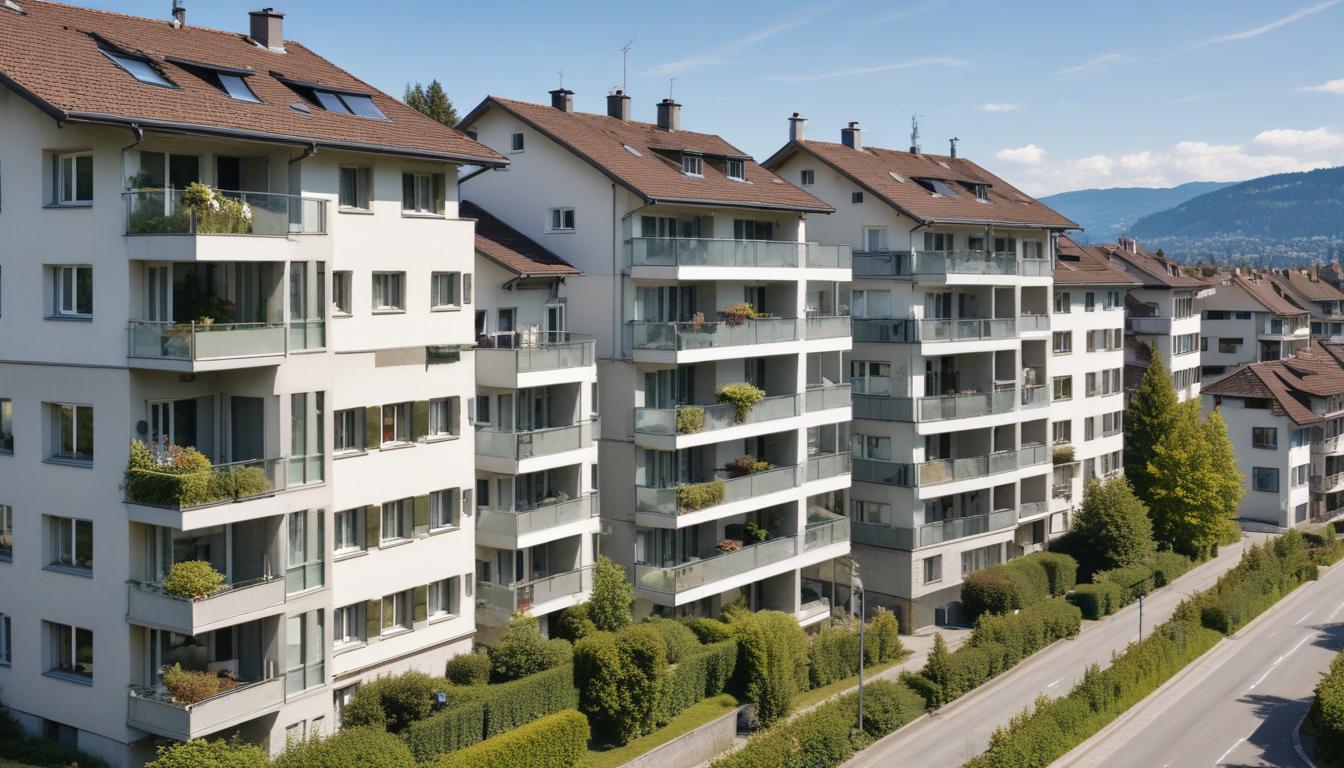
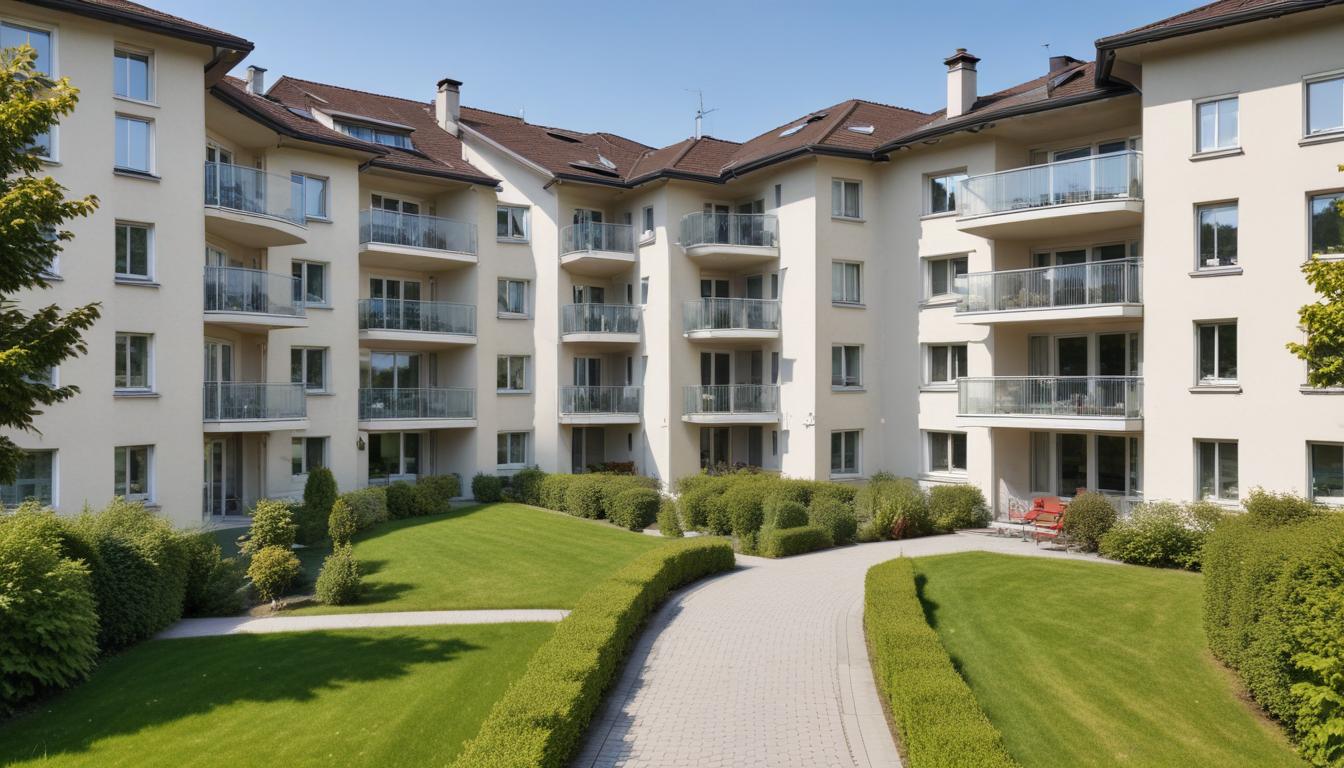
New Zurich developments reshape landlord returns – and neighbourhood dynamics
As major projects transform Kreis 5 and the lakefront, savvy investors are recalibrating yield expectations and repositioning portfolios.
As major projects transform Kreis 5 and the lakefront, savvy investors are recalibrating yield expectations and repositioning portfolios.
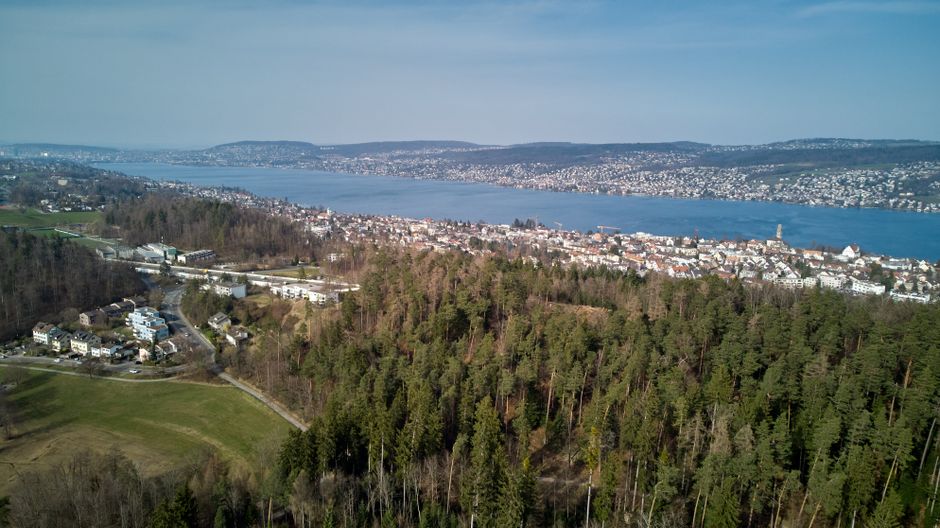
The Zurich property market has long rewarded patience. But the current wave of new residential and mixed-use developments—particularly across Kreis 5's Aussersihl district and along the Limmat corridor near Hardbrücke—is forcing landlords to rethink yield calculations and long-term positioning.
With average yields hovering between 2.5–3.2% across central Zurich, new-build apartments typically command premium prices. A recently completed 4.5-room unit in the refurbished Löwenbräu-Areal neighbourhood rents for CHF 4,200–4,500 monthly, translating to a gross yield around 2.8%. That may seem modest by global standards, but it reflects Zurich's market reality: capital appreciation and stability matter more than income.
What's shifting, however, is the neighbourhood impact. The transformation of industrial zones like Zurich West into residential and cultural hubs has lifted entire postcodes. Properties within 300 metres of the Kunsthalle Zurich extension or the freshly completed retail spaces around Sihlquai now attract younger demographic renters willing to pay premium rates for lifestyle amenities. Landlords investing in these micro-locations are capturing both yield uplift and stronger tenant demand.
Conversely, developments can fragment yield expectations. The planned mixed-use tower near Hardbrücke station will add significant rental stock by 2028. Investors holding smaller, older stock in adjacent areas may face mild rental pressure as newer units absorb demand. Smarter portfolios are shifting focus: renovating existing units to compete on quality rather than relying on scarcity value.
The Real Estate Board of Zurich reports that new developments typically accelerate infrastructure investment—transit upgrades, public spaces, local commerce—benefits that extend beyond the immediate project. Kreis 5's recent boom hasn't crushed yields; it's redistributed them. Investors positioned in freshly gentrified pockets like Wiedikon's Bäckeranlage corridor are outperforming those holding prime but stagnant units.
For landlords navigating this cycle, the arithmetic is clear: location specificity matters more than ever. A CHF 15,000/sqm average masks enormous local variation. Properties within walking distance of completed developments—whether cultural anchors, transit hubs, or retail destinations—command rental premiums that offset higher acquisition costs. Those outside these zones risk yield compression without capital appreciation upside.
The lesson isn't new, but it's urgent. Zurich's development pipeline remains robust through 2028. Investors who can identify which projects will reshape neighbourhood desirability, and position accordingly, will continue extracting respectable returns in Europe's most expensive market.
This article was compiled by AI from the sources linked above and screened before publishing. See our editorial standards.
How does this story make you feel?
Spread the word
About this article
Published by The Daily Zurich
Daily brief
Free, in your inbox before 7am. Weekdays.
More in Property