How Zurich's Zoning Redesign Is Reshaping Neighbourhood Values
A sweeping planning overhaul in the city's eastern quarters is triggering sharp property repricing, with some zones climbing 12% in six months while others face uncertainty.
A sweeping planning overhaul in the city's eastern quarters is triggering sharp property repricing, with some zones climbing 12% in six months while others face uncertainty.
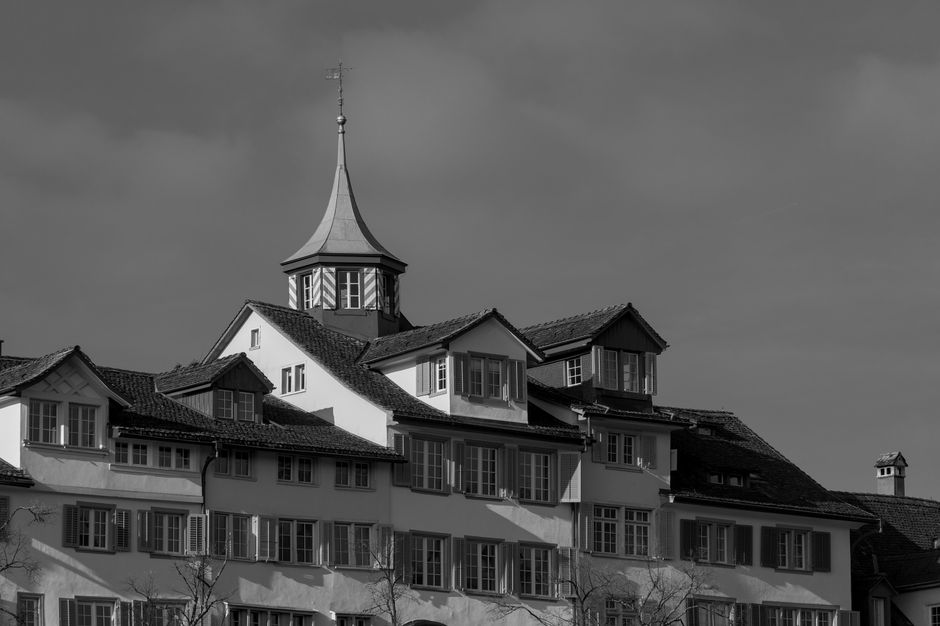
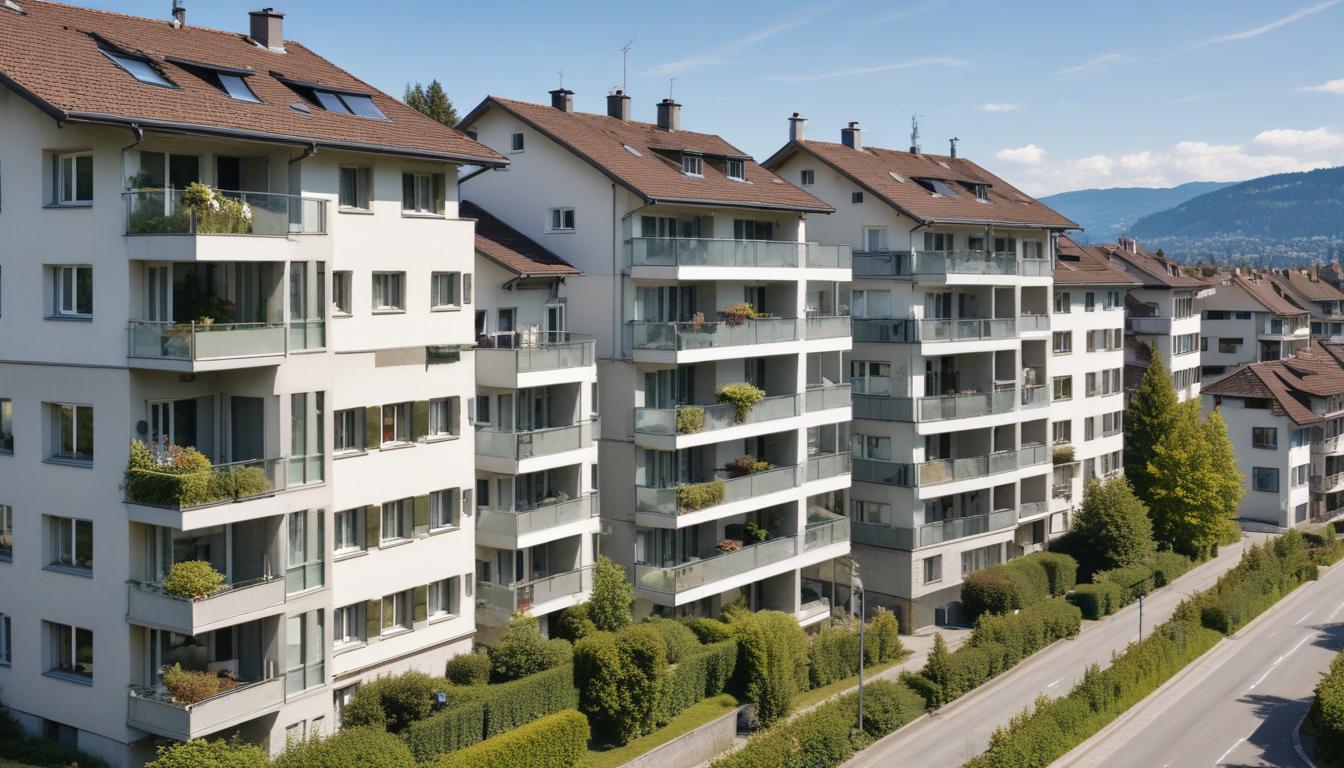
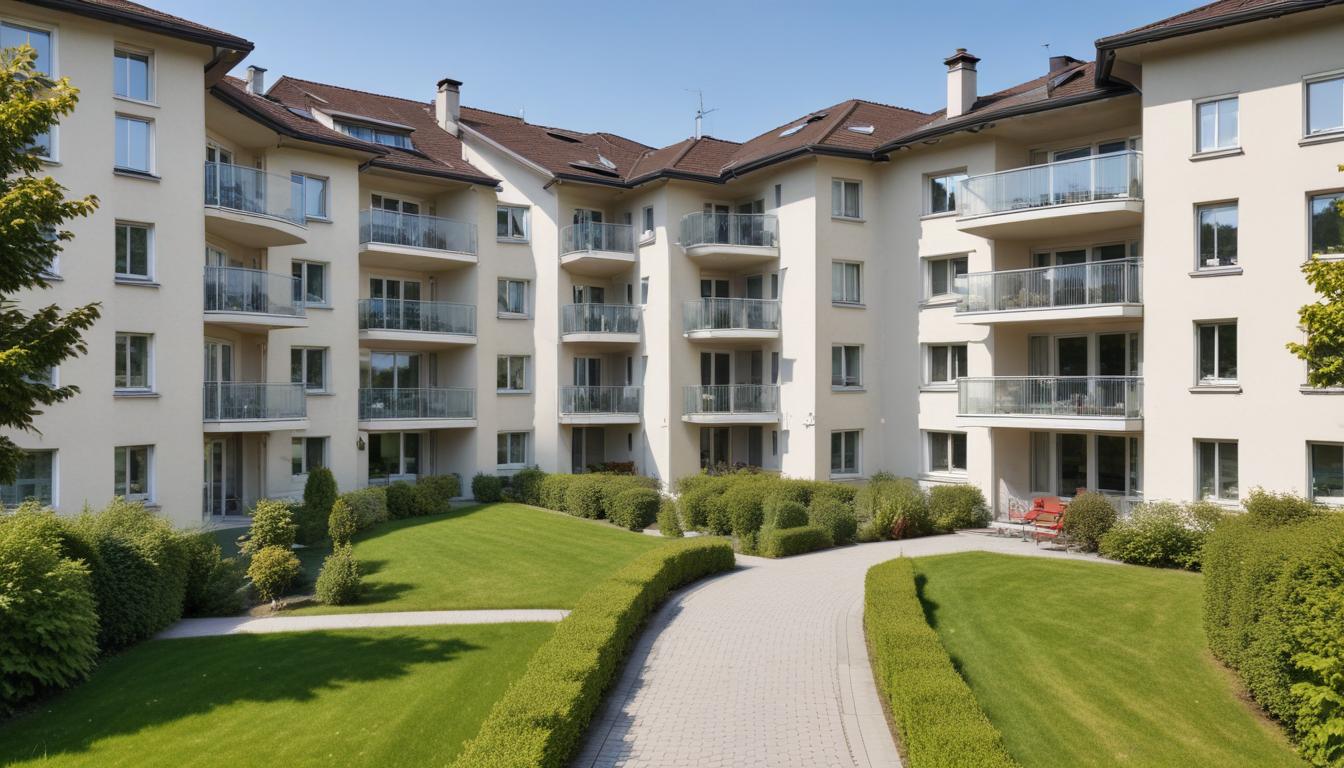
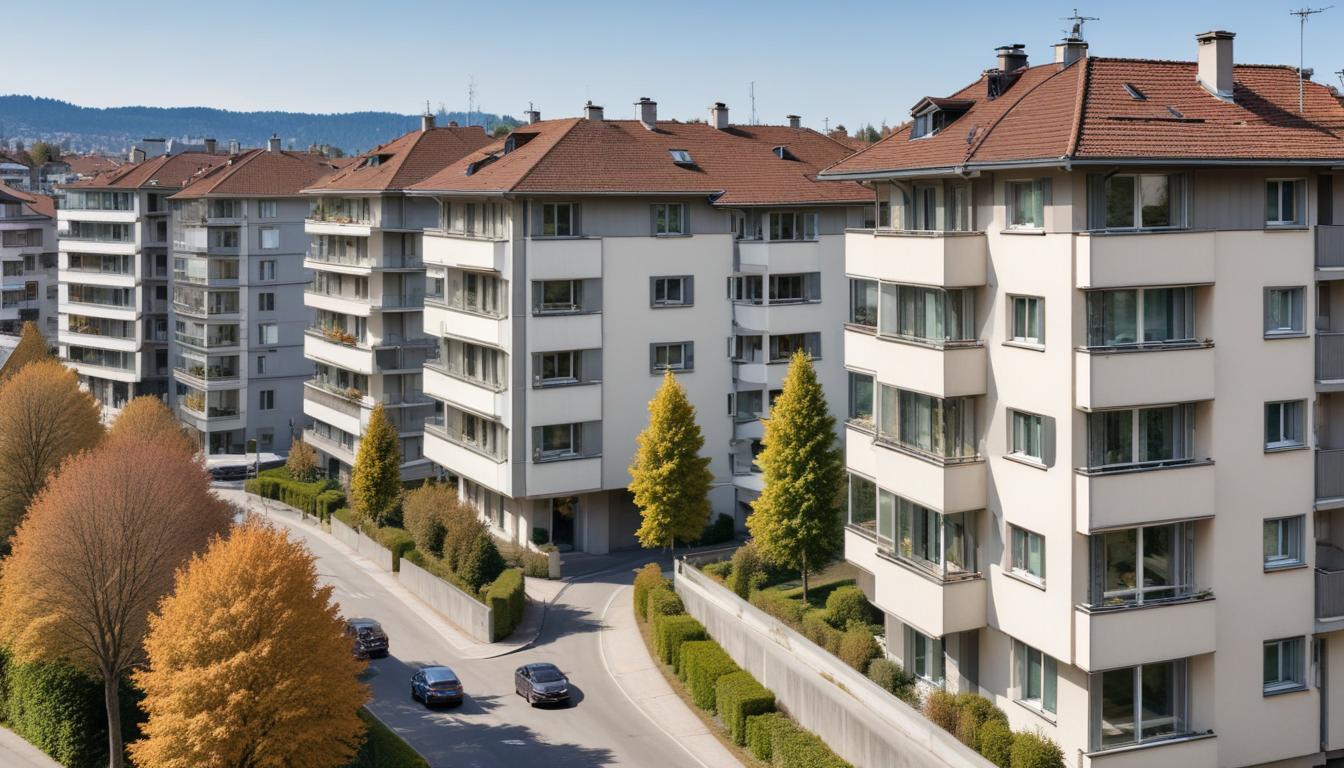
Zurich's property landscape is shifting beneath investors' feet—not due to interest rates or economic headlines, but because of a quietly transformative planning decision. The city's 2026 zoning amendment, which fundamentally altered density allowances and mixed-use designations across Kreis 5, 6, and 8, has triggered a cascade of neighbourhood-level repricing that underscores a critical truth: policy drives markets as much as supply and demand do.
The amendment permits increased residential density in Wipkingen and parts of Aussersihl while simultaneously restricting commercial expansion in traditionally industrial zones. The result has been striking. Properties along Hohlstrasse and the eastern sections of Badenerstrasse—historically affordable residential corridors—have appreciated roughly 12% in the past half-year. A two-bedroom apartment that commanded CHF 1.2 million in early 2026 now fetches CHF 1.35 million. By contrast, warehouse-zoned parcels in Helvetiastrasse have stalled, as investors recalibrate expectations around repurposing opportunities.
"Policy creates certainty or removes it," explains the Urban Land Institute's latest Zurich market analysis. When the city council signalled higher residential allowances would be welcomed in Kreis 5's eastern fringe, developers immediately pencilled in mixed-use conversions. Property owners sensed the tailwind and priced accordingly. The reverse occurred where commercial zoning was tightened: speculators hoping for residential rezoning stepped back.
The Seefeld and Enge waterfront districts—already commanding CHF 18,000–22,000 per square metre—remain insulated from policy volatility; their premium status transcends regulatory nuance. But the real action is in the in-between zones, where planning decisions genuinely move needles.
Investors are now studying the city's pending mobility strategy and the proposed expansion of the Forchbahn light rail network into northern Witikon. Conventional wisdom suggests neighbourhoods within 800 metres of upgraded transit see rental yields compress initially (as capital value inflates) before recovering as tenant demand follows infrastructure. Those watching the 2027 planning calendar are already positioning for the next wave.
The 2026 amendment offers a valuable lesson: in a mature market like Zurich—where aggregate supply is constrained and price floors are high—regulatory shifts matter enormously. They determine not whether neighbourhoods appreciate, but how quickly and in what sequence. Smart investors monitor canton and city planning offices as closely as quarterly GDP reports. In Zurich, zoning is destiny.
This article was compiled by AI from the sources linked above and screened before publishing. See our editorial standards.
How does this story make you feel?
Spread the word
About this article
Published by The Daily Zurich
Daily brief
Free, in your inbox before 7am. Weekdays.
More in Property