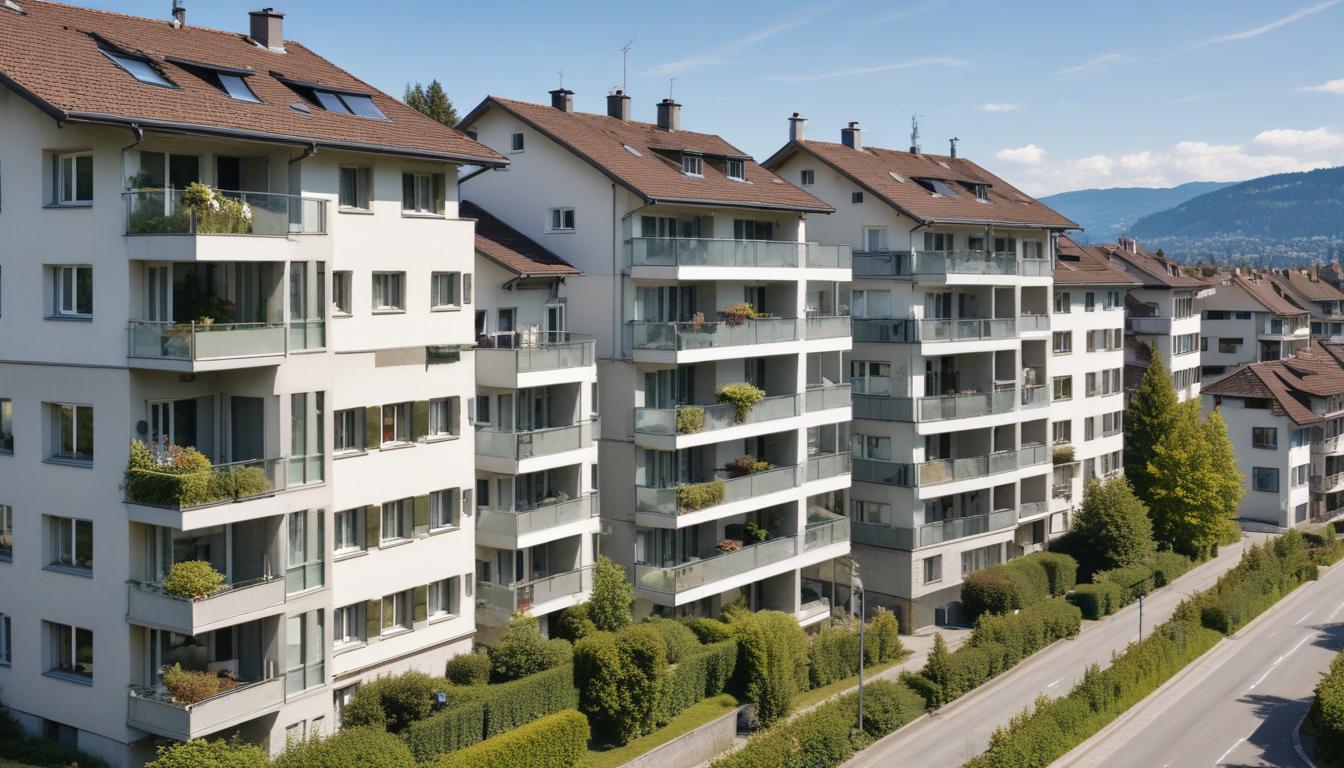
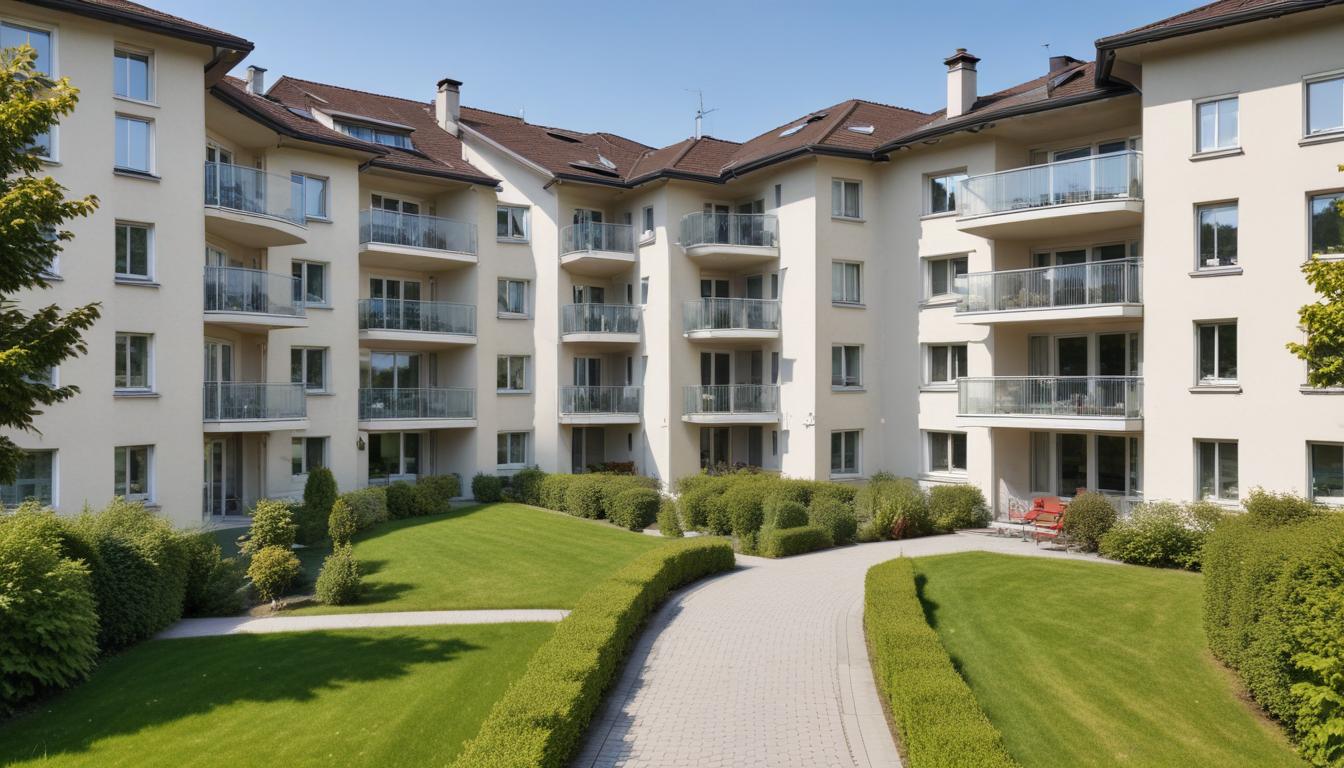
Zurich's Rental Squeeze: What's Pushing Prices Up and What Tenants Must Know Now
Vacancy rates have collapsed to historic lows across the city, fundamentally reshaping who can afford to live where—and why landlords hold all the cards.
Vacancy rates have collapsed to historic lows across the city, fundamentally reshaping who can afford to live where—and why landlords hold all the cards.
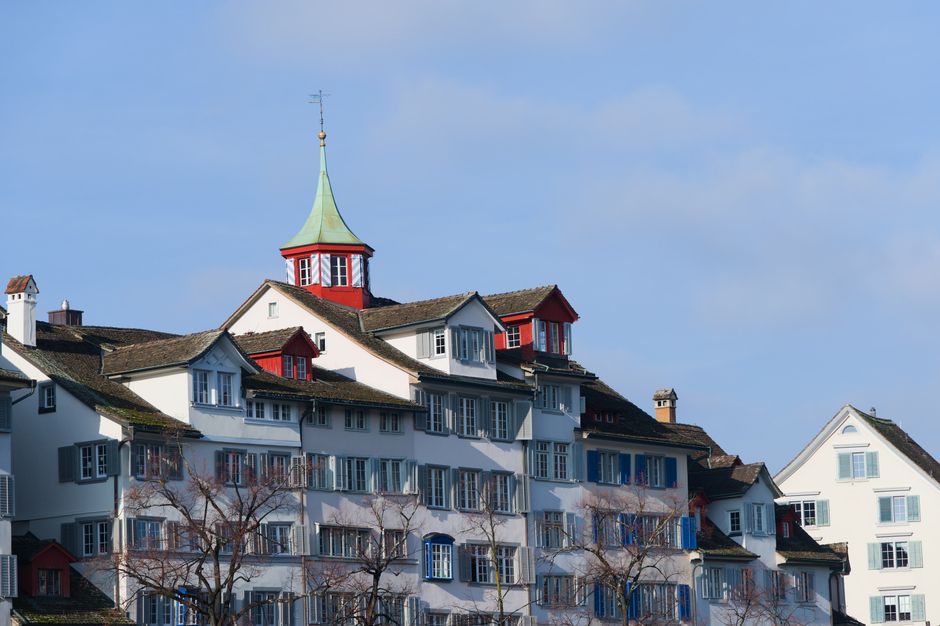
Zurich's rental market has entered a new era of scarcity. Vacancy rates have fallen below 0.5% in prime neighbourhoods, the lowest levels in over a decade, and the ripple effects are reshaping entire districts from Lake Shore to the Limmat Valley.
The numbers tell a stark story. Across the canton, average rents now hover around CHF 2,800 for a two-bedroom apartment—a 12% increase since 2023. In coveted areas like Seefeld and Enge, where waterfront penthouses command CHF 8,000-plus monthly, even modest one-bedroom flats fetch CHF 3,200. Meanwhile, Kreis 5's industrial-chic appeal—once an affordable alternative anchored by Schiffbau and the city's creative community—has seen rents climb to CHF 2,600, eroding its reputation as a stepping stone neighbourhood.
What's driving this crunch? Three converging forces. First, limited new construction: zoning restrictions and renovation timelines mean fewer units entering the market annually than demand requires. Second, migration patterns have intensified post-pandemic, with white-collar workers and international families gravitating toward Zurich's stability and amenities. Third, investors increasingly view residential property as a hedge against inflation, reducing long-term rental stock as portfolios shift toward owner-occupied units.
The structural consequence is brutal: landlords can afford to be selective. In June 2026, securing an apartment in desirable locations—Wiedikon, Altstetten, Aussersihl—requires not just financial proof but references, background checks, and competitive bidding. Properties on Bellariastrasse or near Europaplatz often attract 40+ applications within days of listing.
For prospective tenants, the calculation has changed. Renting now demands 18-24 months planning, not three. This means: register with property databases (Homegate, ImmoScout24) at least six months before moving; prepare documentation in both German and English; build a compelling application file with employer letters and previous landlord references; and be prepared to negotiate or walk away from overpriced stock.
The emerging workaround is suburban drift. Neighbourhoods like Hongg and Schwamendingen—still transit-accessible via Tram 10 and 11—offer two-bedroom apartments at CHF 2,200-2,400. It's a 25-minute commute to Bahnhofstrasse, but increasingly, that calculus favours distance over downtown proximity.
For buyers considering entry into ownership, rental weakness is paradoxically bullish: as rents compress margins for buy-to-let investors, owner-occupier properties maintain premium valuations. At CHF 15,000 per square metre citywide, prices reflect confidence in Zurich's fundamentals even as renters struggle. The message is clear: if you can afford to buy, now is the time. If you're renting, adaptation is mandatory.
This article was compiled by AI from the sources linked above and screened before publishing. See our editorial standards.
How does this story make you feel?
Spread the word
About this article
Published by The Daily Zurich
Daily brief
Free, in your inbox before 7am. Weekdays.
More in Property