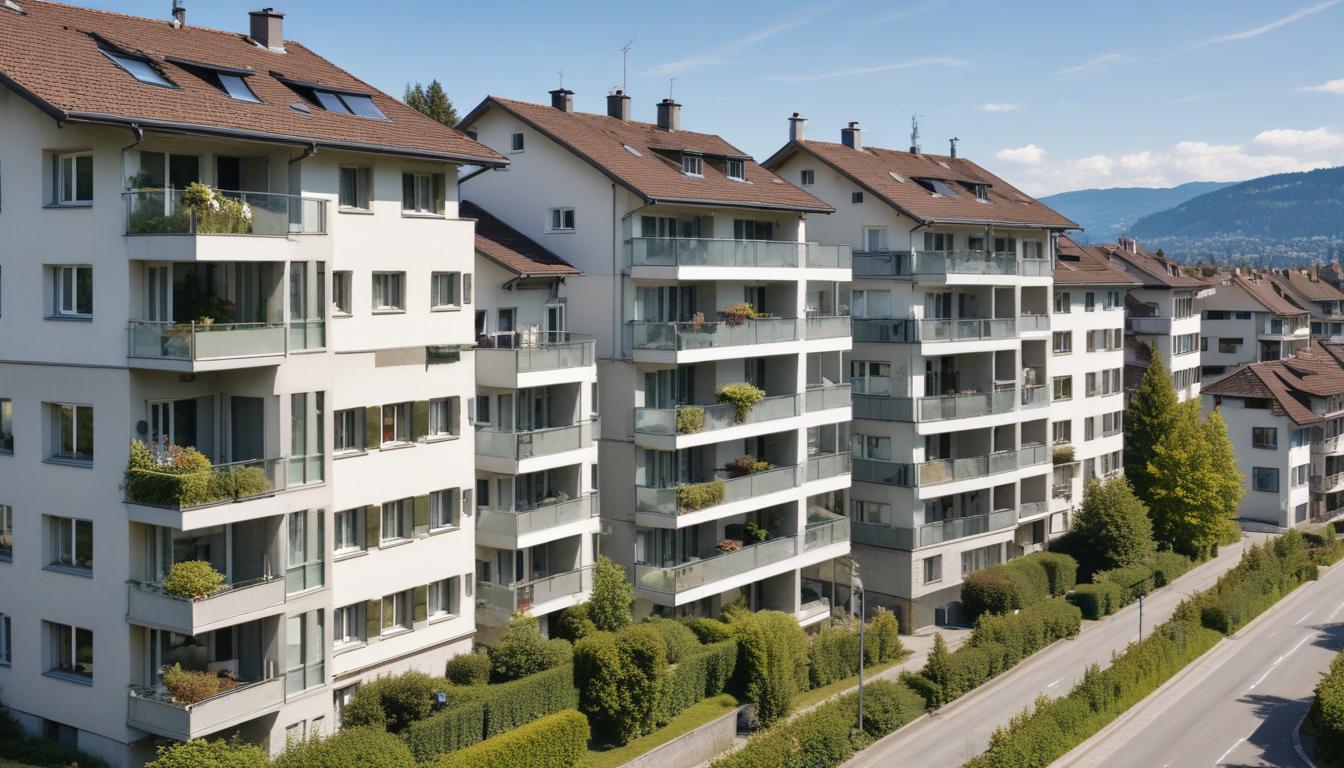
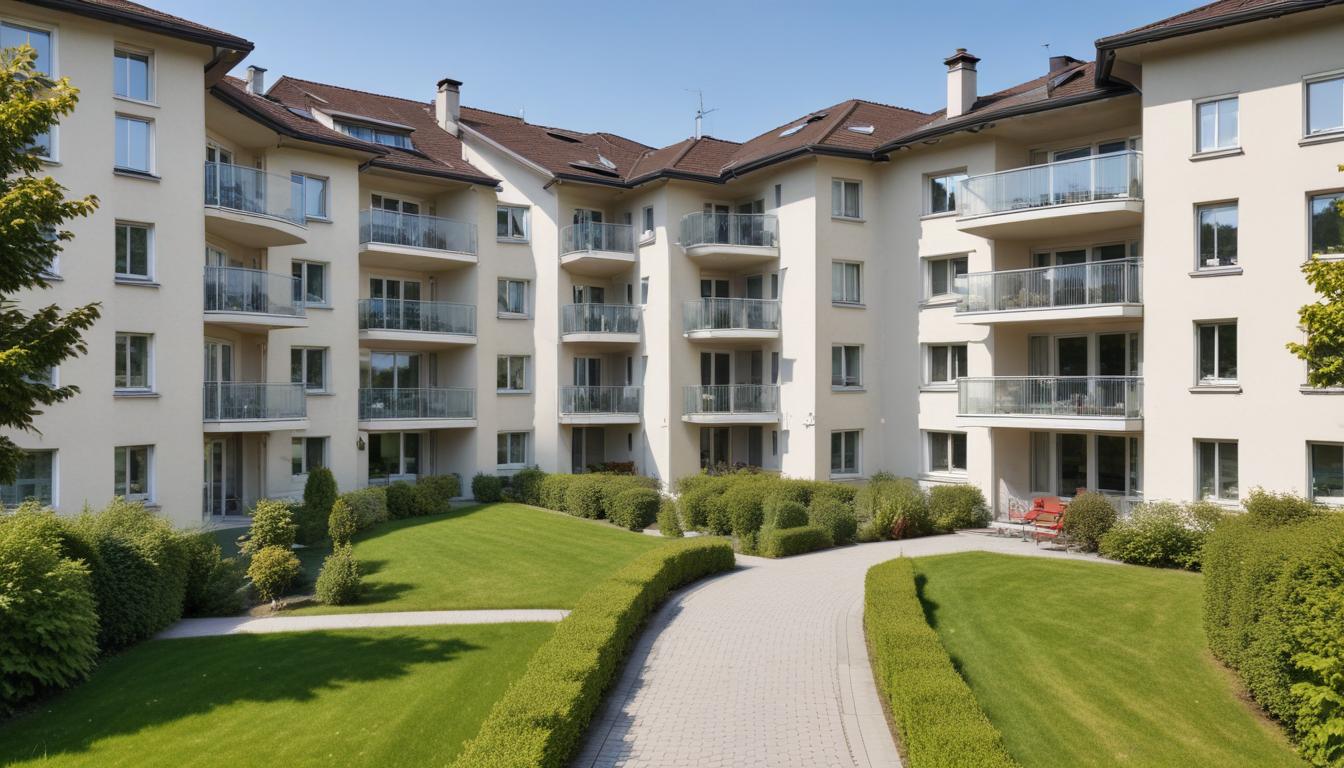
Zurich's property market has long been a cautionary tale for affordability. With average prices hovering around CHF 15,000 per square metre—and waterfront zones in Seefeld commanding triple that figure—the city faces a genuine housing crisis. Yet 2026 marks a turning point, as three substantial social housing developments break ground, signalling a renewed commitment to mixed-income neighbourhoods.
The most significant project is the Wiedikon Transformation, a 280-unit mixed-use development on the former Sihlquai industrial site. Scheduled for completion by 2029, approximately 40 per cent of units will be reserved for residents earning below the cantonal median income—a deliberate policy push by the city to counter decades of gentrification pressure. The scheme integrates co-working spaces and a public plaza, challenging the notion that affordable housing must be visually separated from premium developments.
Equally important is Hard Turro's Phase 2 in Aussersihl, where the municipality has negotiated a 35 per cent affordable allocation across 165 units. Located near the Limmat, this neighbourhood has historically attracted working-class families, but rising rents have accelerated displacement. The new project explicitly prioritises long-term residents through a right-of-first-refusal clause—a mechanism rarely deployed in Switzerland's market-driven context.
In Kreis 5, Wipkingen's emerging status as a trendy neighbourhood has not gone unnoticed by planners. The Letzigraben corridor project will deliver 220 units, with 50 per cent designated as affordable. Local restaurants, galleries, and music venues have already established the area's cultural cachet; this development seeks to prevent the classic cycle where affordability precedes gentrification, which then erases it.
What distinguishes these projects is their deliberate integration into existing fabric. Rather than siloed social housing blocks, planners have mandated mixed-tenure buildings where studio apartments and family units coexist—a tactic pioneered successfully in Vienna and now being tested earnestly in Zurich for the first time.
The financial engineering is equally novel. The city has committed CHF 380 million in direct subsidies over the next decade, coupled with canton-level tax incentives for developers who exceed mandatory thresholds. Private investors remain cautious, but cooperatives like Wogeno and Mehr als Wohnen have signalled keen interest.
Critics argue the pace remains glacial—these 665 units address perhaps 15 per cent of Zurich's annual housing shortage. Yet they represent a philosophical shift: the recognition that a city of 430,000 cannot function when teachers, nurses, and young families are priced into the outlying cantons. Whether this moment crystallises into sustained policy or fades into tokenism will define Zurich's urban character for the next generation.
This article was compiled by AI from the sources linked above and screened before publishing. See our editorial standards.