Yield Squeeze and Regulatory Winds: What's Really Driving Zurich Investment Prices Now
As interest rates stabilise and rental demand tightens, savvy landlords must navigate a market where location premium and regulatory costs are reshaping returns.
As interest rates stabilise and rental demand tightens, savvy landlords must navigate a market where location premium and regulatory costs are reshaping returns.
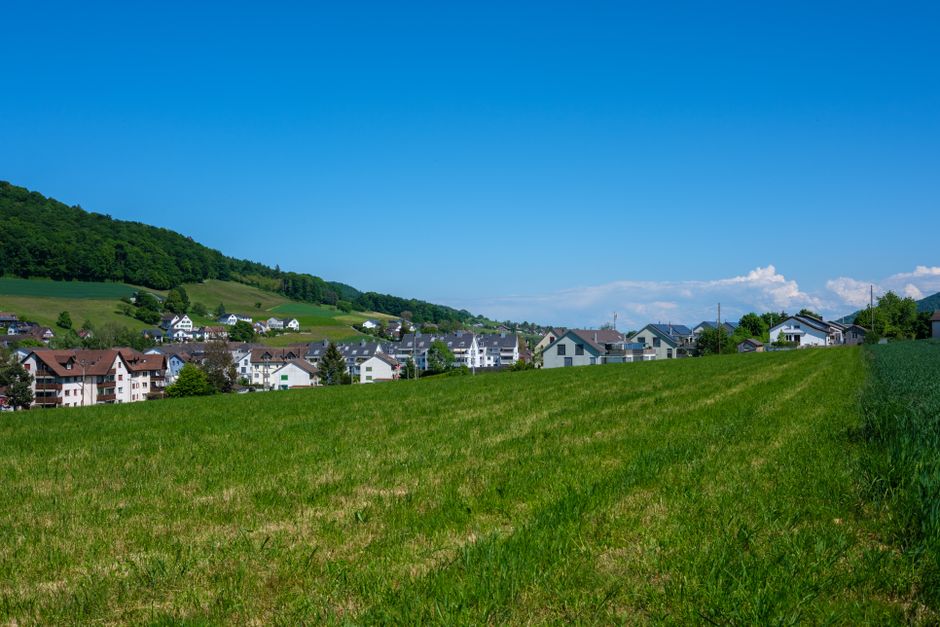
Zurich's investment property market has entered a recalibration phase. While headline prices hover around CHF 15,000 per square metre citywide, the calculus for buy-to-let investors has shifted dramatically since 2024. Understanding what's moving the market—and what it means for your returns—requires looking beyond asking prices.
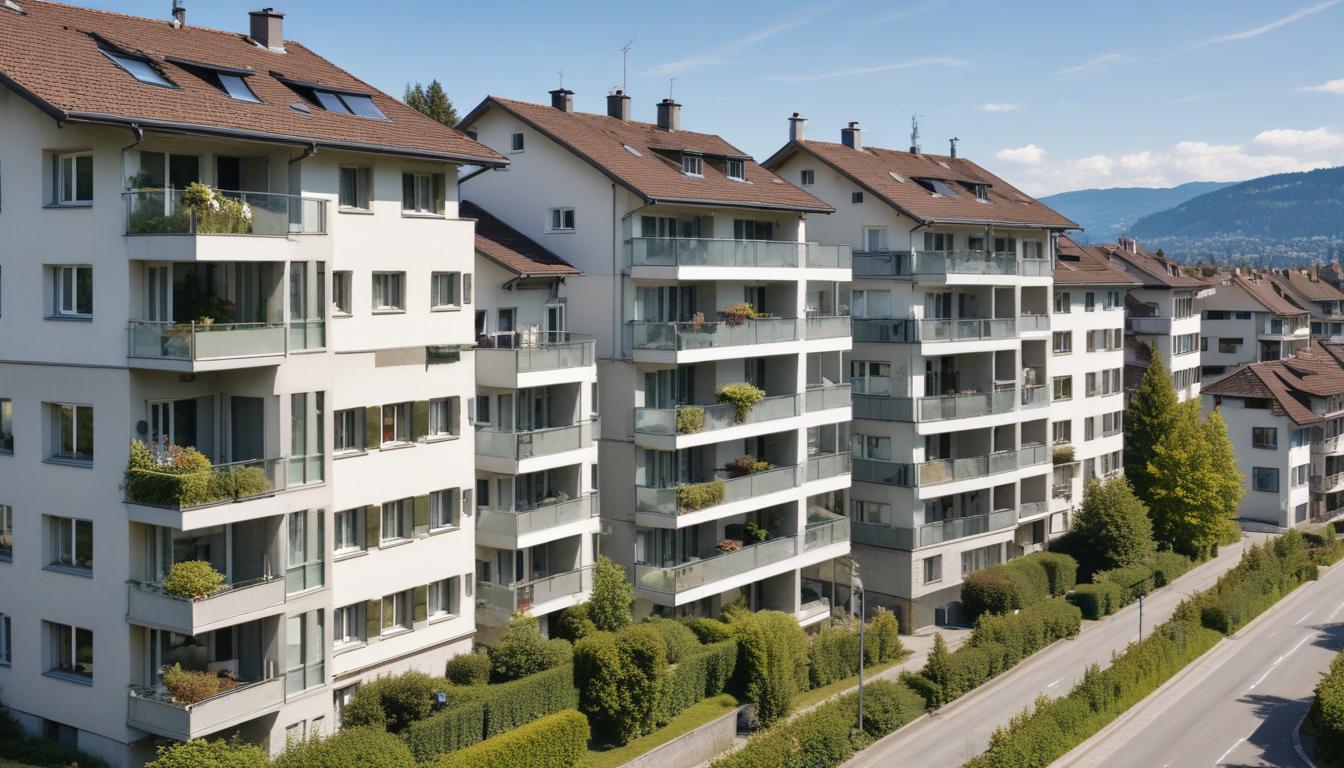
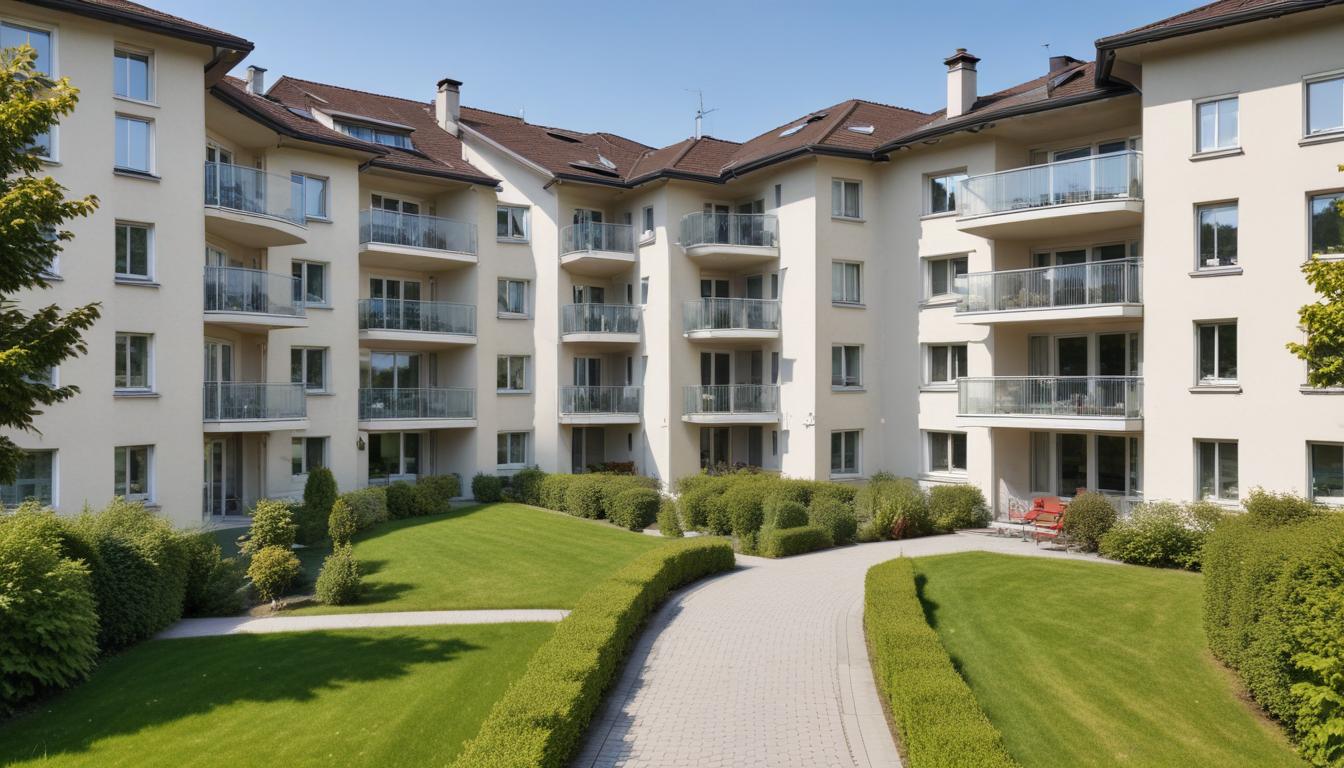
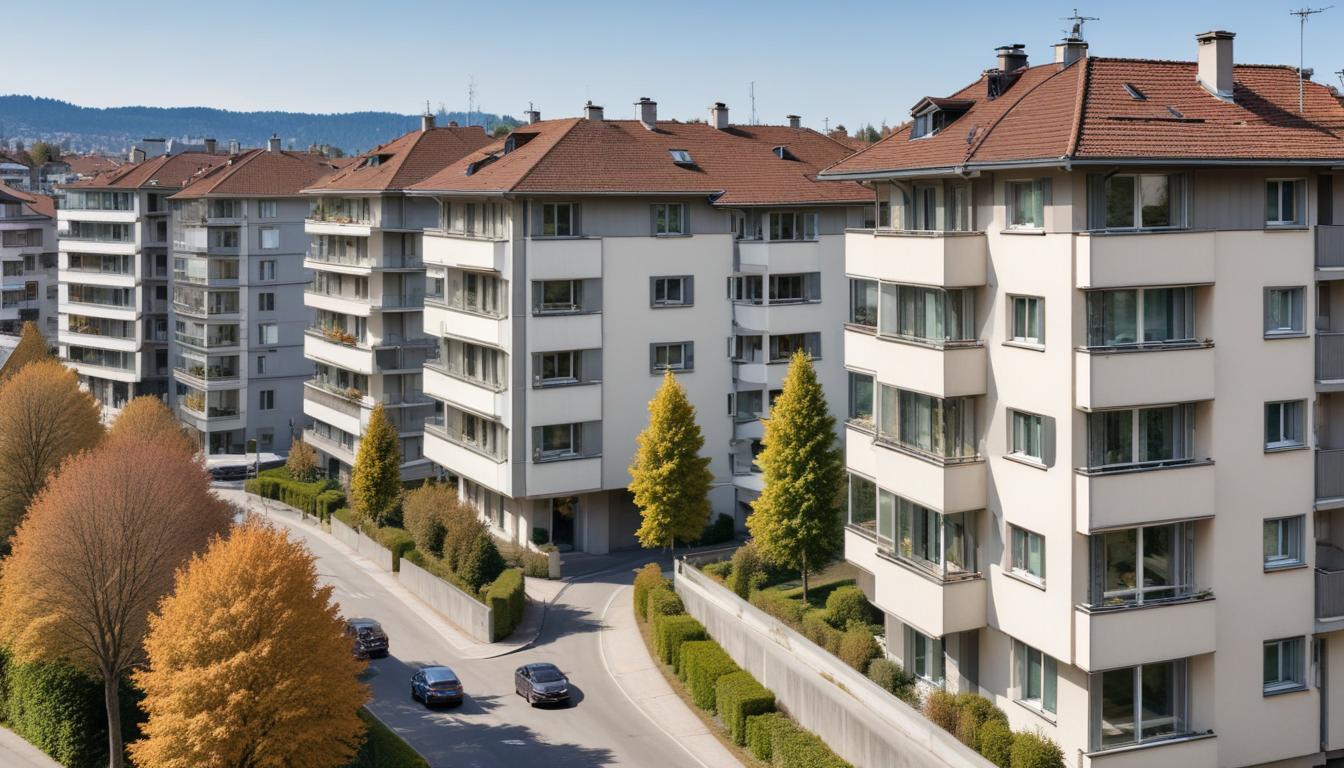
The headline story is a yield compression. A well-maintained apartment in Kreis 5 or Wipkingen, where younger professionals and families increasingly cluster, now typically yields 2.5–3.2% gross rental income. Compare that to the Swiss mortgage rate environment, where fixed five-year rates sit around 1.4–1.8%, and the arbitrage that once attracted overseas capital has narrowed considerably. Yet prices in these central neighbourhoods have remained resilient, even climbing modestly, because investors are betting on secondary factors: tenant stability, renovation upside, and long-term appreciation in sought-after locations.
The Seefeld and Enge waterfront remains the outlier. Properties along the Zürichsee command premiums that defy pure yield logic—often trading at CHF 18,000–22,000 per square metre. These are no longer primarily investments; they are wealth storage assets, increasingly favoured by international buyers seeking stability and heritage value.
What's actually driving current activity is regulatory pressure and tax uncertainty. Cantonal authorities have tightened short-term rental licensing around Wiedikon and the Europaallee district, effectively closing off the Airbnb arbitrage that inflated yields for a decade. Simultaneously, anticipated changes to cantonal wealth taxes and federally coordinated minimum standards on rental deposit regulations have prompted nervous repositioning among existing landlords. Those selling now often cite compliance costs and administrative burden, not market weakness.
For buyers entering the market today, the practical lesson is clear: location specificity matters more than ever. A well-positioned unit near the Limmatquai in Altstadt or with direct S-Bahn access via the new Europaallee node commands different economics than peripheral Schwamendingen stock. Investors should expect 3% gross yields in prime central locations, but focus due diligence on tenant profile, lease terms, and regulatory risk rather than chasing capital appreciation.
The Swiss property investor's traditional playbook—buy, hold, collect predictable rent—is experiencing friction. Market entrants should factor in CHF 2,000–3,500 per property in annual compliance and maintenance costs, negotiate mortgages conservatively, and treat sub-3% yields as the new normal for Zurich proper.
This article was compiled by AI from the sources linked above and screened before publishing. See our editorial standards.
How does this story make you feel?
Spread the word
About this article
Published by The Daily Zurich
Daily brief
Free, in your inbox before 7am. Weekdays.
More in Property