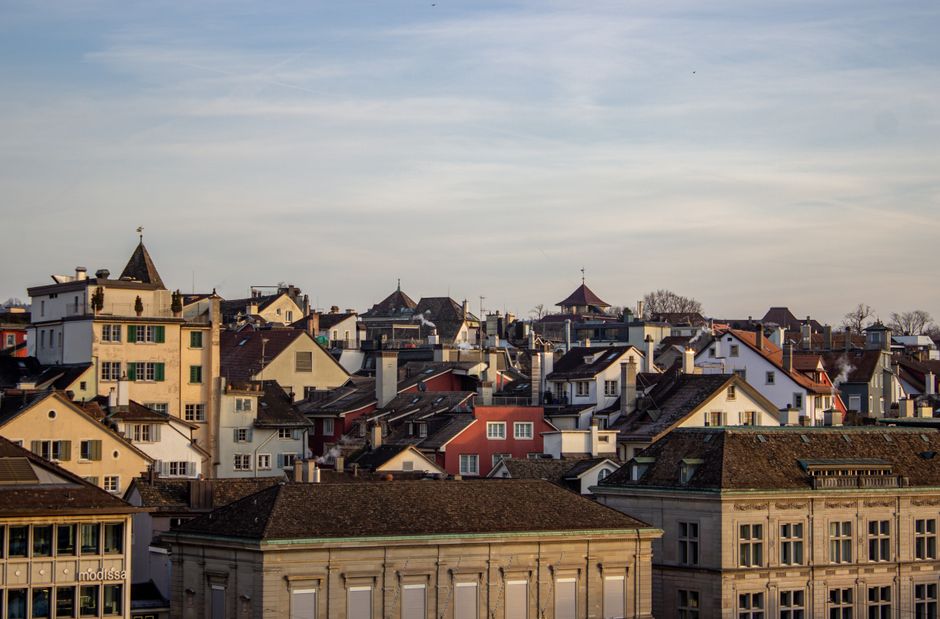
Zurich's property landscape is undergoing its most significant transformation in a decade, and first-time buyers have never had clearer reasons to pay attention. Large-scale residential developments in Kreis 5, along the Limmat corridor, and emerging projects near Wiedikon are not simply adding units—they're creating new financial pathways and reshaping how municipal grants apply across neighbourhoods.
The average Zurich property still commands CHF 15,000 per square metre, placing Switzerland firmly atop Europe's property ladder. Yet new developments are introducing a crucial variable: pricing tiers. Projects like those taking shape around Europaallee and along the Sihlquai are deliberately mixing unit sizes and price points, meaning a first-time buyer with CHF 600,000–800,000 might now secure a modern two-bedroom apartment rather than a dated studio in Seefeld.
This matters enormously for grant eligibility. Canton Zurich's first-home buyer grants—administered through the Wohneigentum für alle initiative—are tied to income thresholds and purchase price. When new developments stabilise neighbourhood valuations or introduce mid-market units, buyers previously priced out suddenly qualify. A young professional earning CHF 95,000 annually, living in Wiedikon, would struggle to access grants in traditionally expensive Enge. But the same buyer purchasing a new-build in Kreis 5 or along the Limmat renovation zones often crosses the affordability threshold.
Banks, too, treat new developments differently. Construction financing and first-mortgage terms for completed units in certified projects are typically more favourable than for older properties. Raiffeisen and UBS both offer preferential rates for new builds meeting energy standards, effectively lowering effective borrowing costs by 0.3–0.5 per cent. For a CHF 700,000 mortgage, that represents meaningful annual savings.
The strategic angle is timing. Projects completing in 2027–2028—particularly those in Kreis 5 and around Hauptbahnhof—are attracting early-bird pricing that anticipates the neighbourhood's commercial revival. First-time buyers registering interest now, before occupancy, can lock rates and secure grants based on purchase agreements rather than transfer dates, a crucial distinction in a rising market.
Consultation with a mortgage adviser familiar with the canton's specific grant framework is essential. Organisations like Fachstelle Wohnen provide free guidance, and many cantonal banks offer first-buyer seminars focused on new developments. The golden window is narrow: property prices in renovated neighbourhoods typically accelerate once infrastructure completes. Acting within the next 18 months, before major projects conclude, offers first-time buyers their strongest negotiating position since 2019.
This article was compiled by AI from the sources linked above and screened before publishing. See our editorial standards.