Zurich's Neighbourhood Reckoning: What's Really Driving Prices and Why Timing Matters Now
As transit upgrades reshape commute patterns and remote work stabilises, which Zurich suburbs are overheating—and where shrewd buyers still find value in 2026.
As transit upgrades reshape commute patterns and remote work stabilises, which Zurich suburbs are overheating—and where shrewd buyers still find value in 2026.
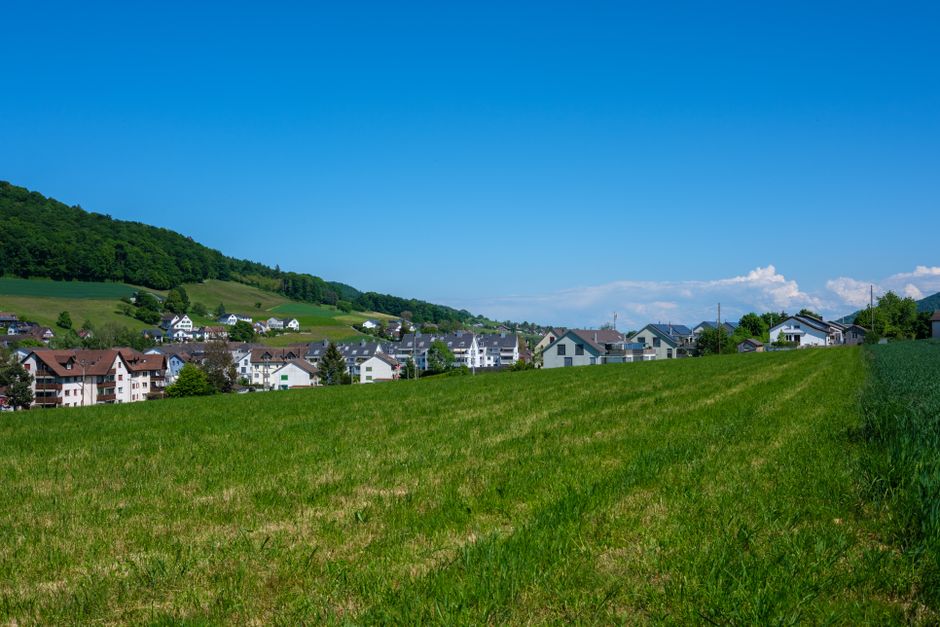
The Zurich property market has entered a peculiar phase. City-wide averages hover around CHF 15,000 per square metre, yet neighbourhood trajectories have diverged sharply. Understanding what's driving these divergences isn't just academic—it's the difference between a sound investment and buyer's remorse.
Three factors are reshaping the map this year. First, the completion of the Glatttal S-Bahn extensions has recharged Kreis 5 and Wipkingen. Once considered edgy, these neighbourhoods now offer what every commuter wants: reliable 15-minute access to Hauptbahnhof without the waterfront premium. Properties around the Wipkingen U-Bahn station have appreciated 8-12 per cent since 2024, with family three-bedroom flats now trading between CHF 2.1 and 2.4 million. Savvy buyers arrived two years ago; today's entrants are paying for momentum, not value.
Seefeld and Enge remain the prestige tier—CHF 18,000 to CHF 22,000 per square metre for lakefront—but buyer psychology has shifted. The pandemic-era rush for outdoor space and views has plateaued. Instead, second-home buyers and downsizers now dominate, seeking trophy assets rather than primary residences. This has created micro-inefficiencies: Enge's quieter Bellerivestrasse properties, one street back from the lake, are yielding similar lifestyle returns at 12-15 per cent discount compared to waterfront counterparts.
The surprise story is Altstetten. Long overlooked as industrial-era, the neighbourhood's transformation around the Sihlcity shopping district and improved Üetliberg connections has attracted young families and investors. New construction along Badenerstrasse is fetching CHF 11,500 to CHF 13,000 per square metre—substantial premium to five years ago, but 25 per cent below city average. Rental yields here still exceed 2.5 per cent, rare for central Zurich.
What buyers need to know: transit remains king. The 2028 completion of the Letzigrund light-rail spur will reshape Wiedikon's trajectory; property along Gutstrasse is pricing in this future. Meanwhile, remote work permanence has flattened demand for proximity-to-office, benefiting hillside neighbourhoods like Hongg and Leimbach, where space and green access outweigh commute time.
Regulation also matters. Zurich's tightening mortgage requirements (minimum 20 per cent down) and Canton-wide vacancy tax extensions have deterred speculative foreign capital. Local owner-occupiers now drive markets; this favours neighbourhoods with school infrastructure and family amenities over pure trophy assets.
The market isn't cooling—it's rationalising. Overpaid momentum plays in Kreis 5 and waterfront estates may face headwinds, while secondary neighbourhoods tied to transit improvements and genuine lifestyle demand offer better risk-reward in 2026.
This article was compiled by AI from the sources linked above and screened before publishing. See our editorial standards.
How does this story make you feel?
Spread the word
About this article
Published by The Daily Zurich
Daily brief
Free, in your inbox before 7am. Weekdays.
More in Property