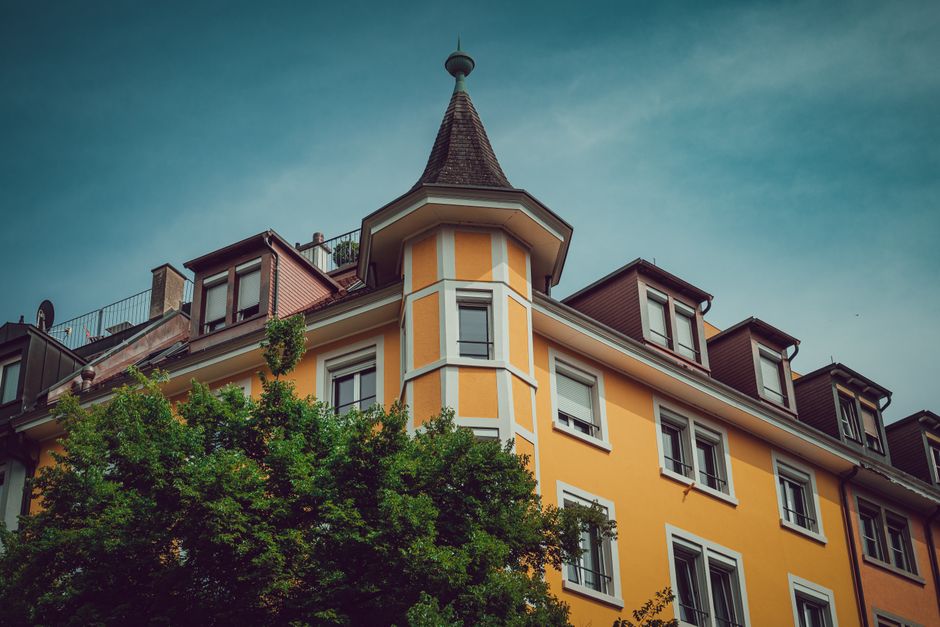
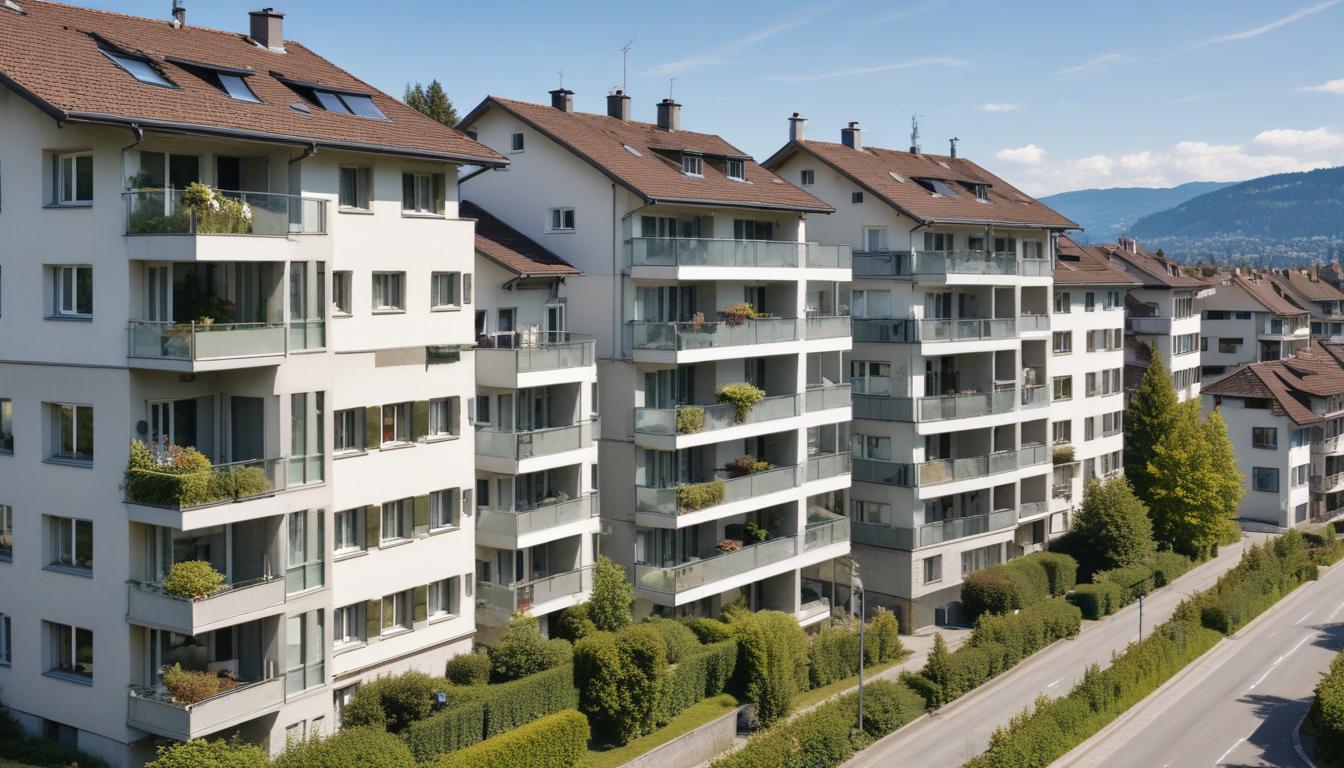
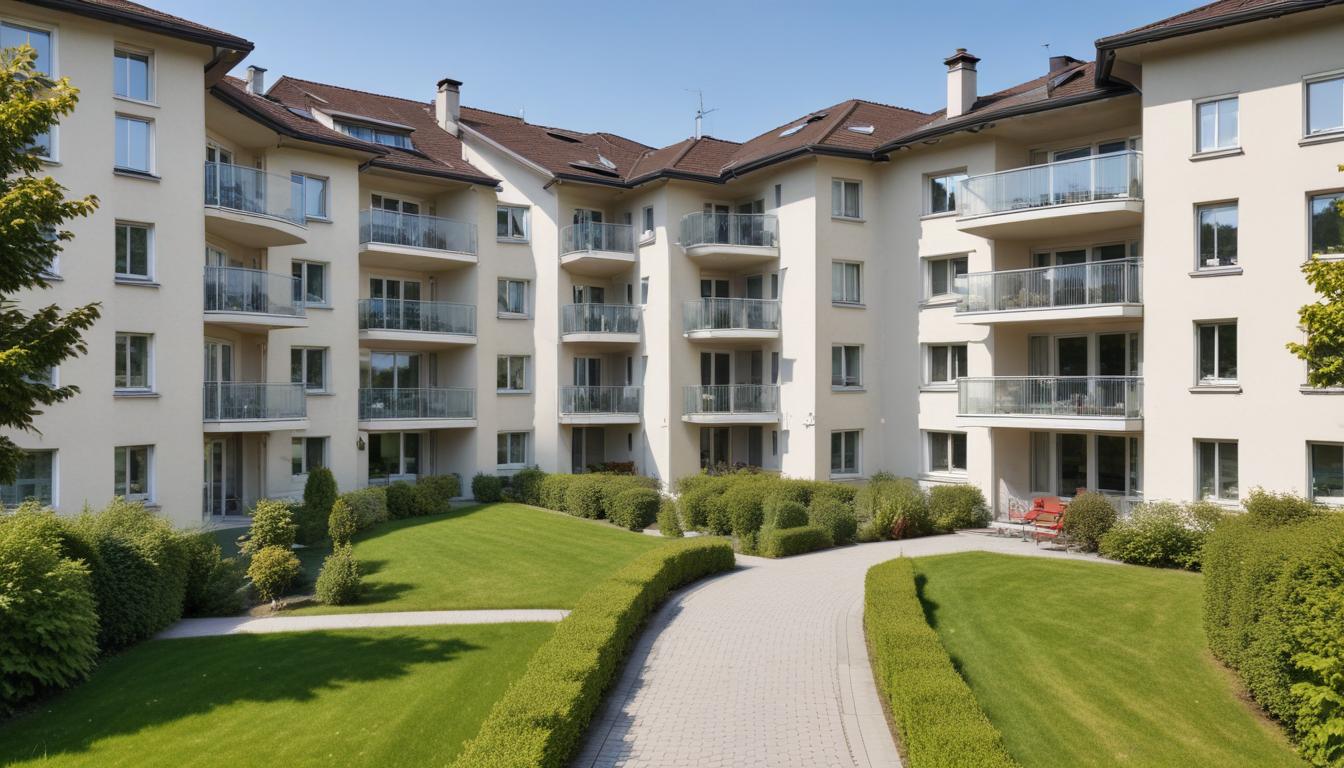
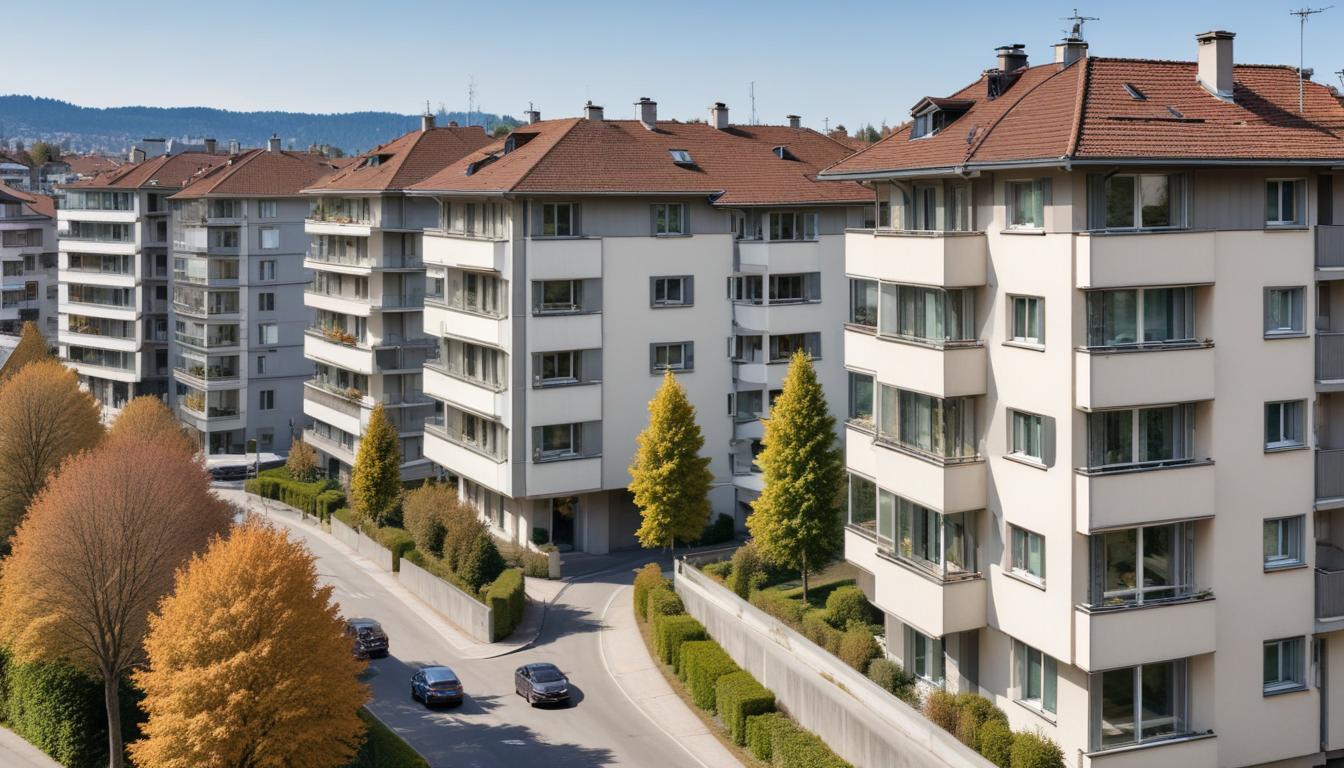
For years, Altstetten occupied a peculiar space in Zurich's property consciousness: close enough to the city centre to matter, far enough from Seefeld's lakeside glamour to be dismissed. Today, that geographic middle ground is becoming its greatest asset.
The neighbourhood west of the Sihl, anchored by Badenerstrasse and the emerging Europaallee development, is experiencing what property analysts quietly call a "value inflection." Entry-level apartments—coveted by first-time buyers—that might cost CHF 850,000 to 950,000 in Wipkingen or Kreis 5 now trade for CHF 650,000 to 750,000 in central Altstetten. At current Zurich averages of CHF 15,000 per square metre, Altstetten's per-sqm pricing still sits 15-20 per cent below the city median.
The catalyst is infrastructure. The Europaallee quarter—spanning 72 hectares between Hardbrücke and the railway yards—represents Switzerland's largest urban development project. Once completed around 2040, it will host residential, commercial and cultural spaces where industrial warehouses once dominated. Early movers recognise that properties within walking distance of this transformation capture upside before completion materialises.
Swiss government support for first-time buyers remains modest compared to other nations. The 'Wohneigentumsförderung' framework allows withdrawals from pillar 3a retirement savings toward property purchase—a tax-advantaged mechanism that can unlock CHF 50,000 to 100,000 for motivated savers. The cantonal mortgage interest deduction, still available at federal level, provides additional leverage for those carrying debt.
Local banks have noticed the shift. Altstetten's transaction volume in 2025 rose 22 per cent year-on-year, according to property registry data. Younger buyers, priced out of Kreis 7 and Kreis 8, are conducting serious due diligence here. The nearby Landi-Quartier (formerly a hardware distribution hub) has begun residential conversion. The Stadion Letzigrund, home to FC Zurich, anchors community identity.
What Altstetten still lacks is hype. That's precisely why yield-conscious investors and first-time owners are paying attention. Proximity to two tram lines (7 and 13), the S-Bahn network, and the emerging lakeside promenade at Tiefenbrunnen argue for medium-term appreciation without the current froth of Kreis 3 or Kreis 4.
For buyers navigating Switzerland's highest-in-Europe property prices, Altstetten represents a rational compromise: city proximity, genuine development momentum, and prices that don't require a second mortgage. The question isn't whether Altstetten will appreciate—it's whether first-time buyers will claim their stake before the market fully wakes up.
This article was compiled by AI from the sources linked above and screened before publishing. See our editorial standards.