Caught in the Middle: How Zurich's Rental Squeeze Is Testing Both Tenants and Landlords
As vacancy rates collapse and rents climb across the city, both sides of the rental market face mounting pressure—and a widening trust deficit.
As vacancy rates collapse and rents climb across the city, both sides of the rental market face mounting pressure—and a widening trust deficit.

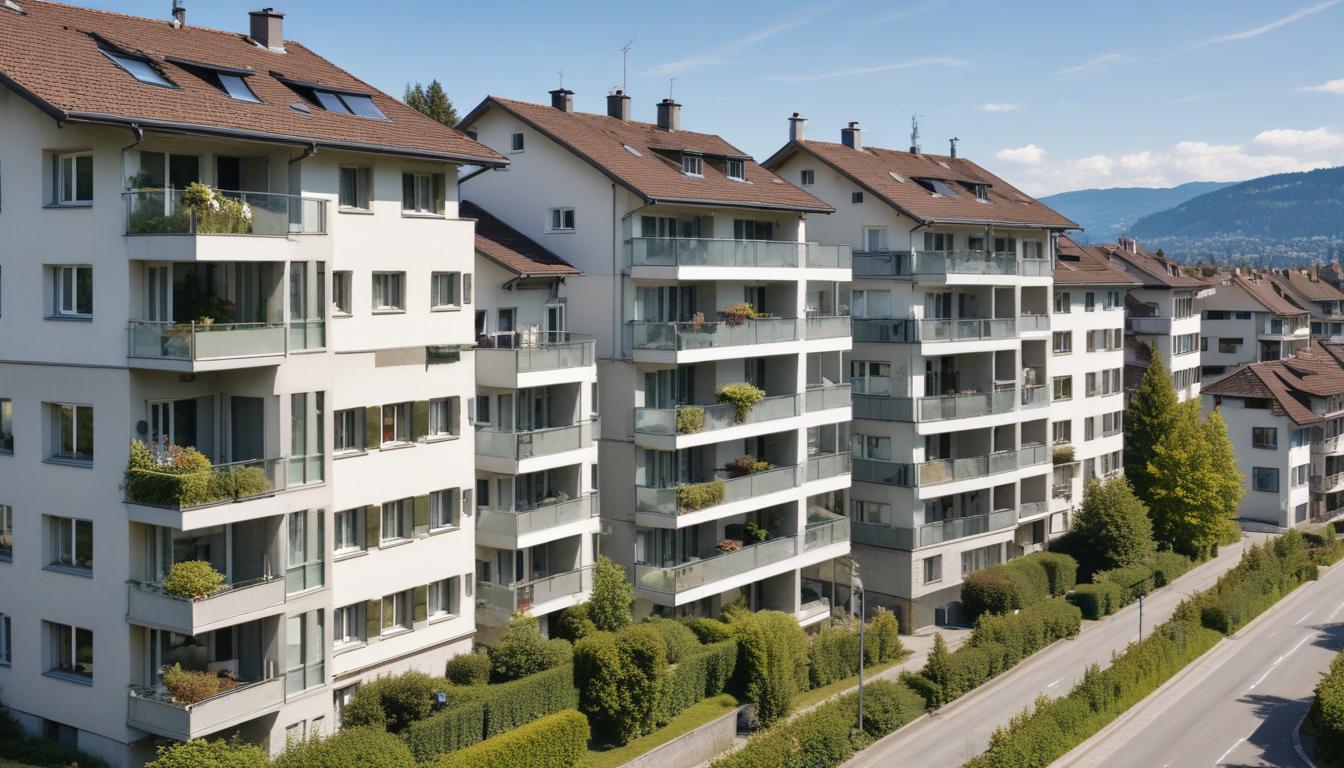
The tension is palpable in Zurich's rental market. On Europaallee in Kreis 5, where conversion projects have transformed old industrial spaces into contemporary apartments, three-room flats now command CHF 3,500–4,200 per month. A decade ago, similar units rented for nearly 30 per cent less. For tenants, the arithmetic is brutal. For landlords, the calculus is equally fraught.
Switzerland's overall rental vacancy rate now hovers below 1.5 per cent—well below the 2 per cent threshold economists consider healthy. In Zurich's premium postcodes like Seefeld and Enge, waterfront supply has tightened further, with two-bedroom apartments routinely exceeding CHF 4,800 monthly. Yet paradoxically, landlords report growing uncertainty about tenant quality, maintenance costs, and regulatory compliance.
The divergence reflects a market under structural stress. Tenant advocacy groups, including those aligned with Mieterverband Kanton Zürich, point to a troubling pattern: landlords increasingly rely on short-term lets to maximise revenue, fragmenting community cohesion and pricing out mid-income families. Meanwhile, property owners contend with rising municipal taxes, mandatory energy upgrades—particularly acute following the canton's 2024 climate targets—and tenant protection laws they argue have become inflexible.
The affordability question cuts deepest. According to recent cantonal data, households earning between CHF 80,000 and CHF 140,000 annually face particular strain. Rents typically consume 25–35 per cent of gross income in accessible neighbourhoods like Altstetten and Wipkingen, where stock remains relatively plentiful but quality variation is high. In sought-after Kreis 6 and 7, that burden easily exceeds 40 per cent.
Social housing providers have stepped into the breach cautiously. Organisations managing subsidised stock report sustained demand but acknowledge that units affordable to lower-income households remain scarce. New developments on Förrlibuckstrasse and near the Sihlfeld sports complex aim to expand this supply, yet completion timelines stretch to 2027–2028.
The rental market's current configuration rewards neither stability nor equity. Tenants face precarious tenure, landlords face regulatory fatigue, and the social fabric—once a hallmark of mixed Zurich neighbourhoods—fragments further. With the Federal Statistical Office projecting Zurich's population growth to continue, pressure will only intensify unless policy and market expectations realign. Both sides are waiting, unhappily, to see which will bend first.
This article was compiled by AI from the sources linked above and screened before publishing. See our editorial standards.
How does this story make you feel?
Spread the word
About this article
Published by The Daily Zurich
Daily brief
Free, in your inbox before 7am. Weekdays.
More in Property