First-time buyers chasing yields: what Zurich's numbers actually reveal
As grants and favourable financing reshape entry-level property, investors are watching whether newcomers to the market can deliver meaningful returns.
As grants and favourable financing reshape entry-level property, investors are watching whether newcomers to the market can deliver meaningful returns.

Zurich's first-time buyer market has become a testing ground for a curious dynamic: can newcomers to the property ladder generate investor-grade returns, or are grants simply inflating prices without improving fundamentals?
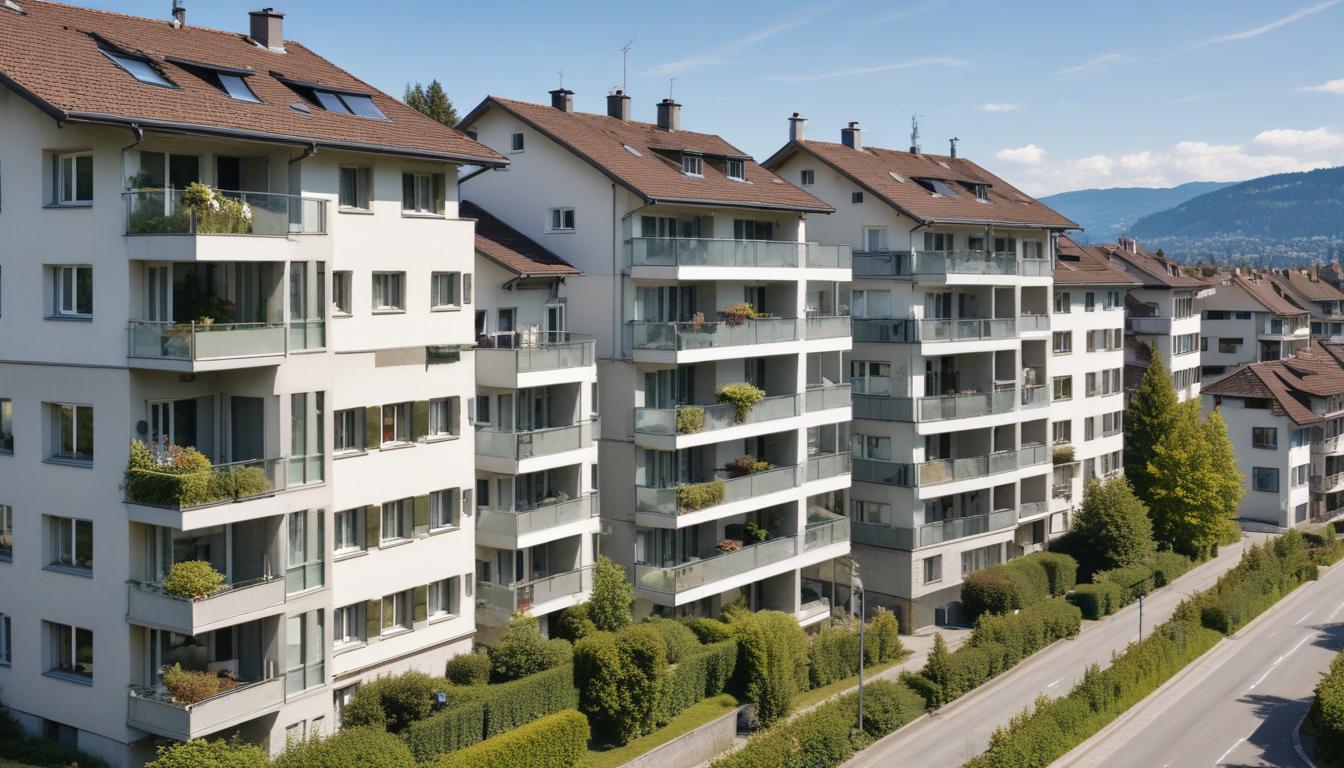
The numbers tell a sobering story. Properties around Kreis 5 and Wipkingen—traditionally affordable entry points—now command CHF 14,500–16,000 per square metre. A modest 60-square-metre flat in these neighbourhoods sits at roughly CHF 900,000. With typical first-time buyer grants (cantonal and federal support) averaging CHF 20,000–40,000, the net impact is negligible: a one-year delay in saving, at best.
Yet rental yields paint a different picture. A one-bedroom apartment in Wiedikon renting at CHF 1,800 monthly against a purchase price of CHF 850,000 generates approximately 2.5 per cent gross yield. For comparison, Swiss bonds now offer 1.5–2 per cent. Even accounting for maintenance, insurance, and vacancy, the spread remains meaningful—but only for investors with sufficient capital to weather market cycles.
The real constraint isn't grants; it's leverage. First-time buyers typically access 80 per cent mortgage financing, while investors often qualify for 90 per cent or more. This structural advantage means a buyer purchasing a CHF 900,000 property in Seefeld faces an immediate CHF 180,000 equity hurdle, even with maximum support. Grants cover perhaps one-fifth of that gap.
What's changed is psychology. The availability of cantonal first-time buyer schemes through institutions like Wüest Partner and UBS has legitimised property-as-investment thinking among younger buyers. Rather than viewing purchase as a housing solution alone, buyers increasingly model rental income and appreciation scenarios—a retail-investor mentality previously reserved for seasoned operators.
Data from the Land Registry shows properties in accessible rings (Kreis 9, Schwamendingen) appreciating 3.2–3.8 per cent annually over the past five years—solid, but not transformational. Waterfront districts (Enge, Seefeld) have appreciated 4.1 per cent annually, though entry prices exceed CHF 20,000 per square metre.
The honest assessment: grants unlock marginal improvements in purchase timing, not returns. A first-time buyer in Aussersihl today faces the same yield constraints as one five years ago—roughly 2.2–2.6 per cent gross, depending on location. What's genuinely shifted is risk appetite. As investors increasingly treat first-time purchases as portfolio foundations rather than housing endpoints, Zurich's entry-level market is becoming less stable, not more accessible.
The question facing 2026's newcomers isn't whether grants work. It's whether chasing investor-style returns on a first home is a strategy, or a distraction from asking: where do I actually want to live?
This article was compiled by AI from the sources linked above and screened before publishing. See our editorial standards.
How does this story make you feel?
Spread the word
About this article
Published by The Daily Zurich
Daily brief
Free, in your inbox before 7am. Weekdays.
More in Property