What Zurich's auction results and price data are really telling first-home buyers
Market signals point to shifting entry opportunities in secondary neighbourhoods, even as waterfront premiums hold firm.
Market signals point to shifting entry opportunities in secondary neighbourhoods, even as waterfront premiums hold firm.
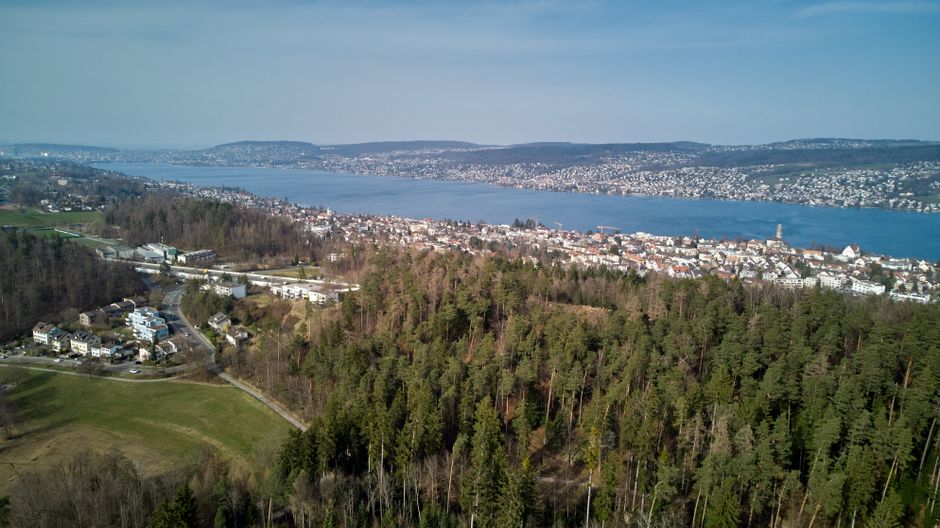
Zurich's property market is sending mixed signals to first-time buyers, and the data tells a clearer story than headlines alone. Recent auction results and price movements suggest the traditional gatekeepers of entry—Seefeld, Enge, and the lakeside corridors—remain structurally out of reach for most newcomers. But beneath this reality lies emerging opportunity, albeit with conditions.
The headline story is familiar: Zurich's average asking price hovers near CHF 15,000 per square metre citywide, with waterfront properties commanding premiums that have only solidified post-pandemic. A two-bedroom apartment in Seefeld or Enge still commands CHF 2.8–3.2 million. These neighbourhoods have become less markets and more asset classes.
The signal that matters more for first-time buyers emerges in the secondary rings. Kreis 5—Industriequartier and Aussersihl—has seen measurable price moderation relative to demand. Recent auction results from properties near Langstrasse and around the Europaallee development corridor show winning bids clustering between CHF 1.1–1.6 million for 60–85 square-metre units. That's meaningful for households with CHF 250,000–400,000 saved.
Wipkingen and Altstetten tell a similar story. These areas, increasingly valued for transit access to the city centre and emerging cultural amenities, are attracting first-time buyers priced out of Kreis 6 or 7. Auction clearance data suggests competitive bidding in these zones, but less speculative froth than in premium postcodes.
What the numbers signal is this: the entry-level market isn't broken; it's migrating. Government-backed first-home-buyer programmes—including cantonal grants and the ability to withdraw from pillar 3a retirement savings—remain levers, but they work best when paired with realistic geography. A CHF 350,000 down payment stretches further on Friesstrasse in Wipkingen than Gotthardstrasse in Enge.
The second signal concerns timing. Auction velocity in secondary neighbourhoods has remained steady even as interest rates have normalised, suggesting underlying demand rather than speculative momentum. For buyers, this means less urgency-driven premium but also less margin for negotiation on listed properties.
Price data from the past 18 months also reveals that properties marketed specifically to downsizers or investors—rather than owner-occupiers—are commanding softer bids. This creates pockets of relative value for buyers willing to see potential in a property's bones rather than its Instagram appeal.
The takeaway: Zurich's market isn't softening uniformly. It's stratifying. First-time buyers with realistic budgets and flexible neighbourhood preferences will find entry points that previous cohorts didn't. Those waiting for lakefront affordability should stop waiting.
This article was compiled by AI from the sources linked above and screened before publishing. See our editorial standards.
How does this story make you feel?
Spread the word
About this article
Published by The Daily Zurich
Daily brief
Free, in your inbox before 7am. Weekdays.
More in Property