Why Zurich Property Prices Keep Climbing: A Buyer's Guide to Today's Market
Persistent scarcity, wealth inflows, and structural constraints are reshaping affordability—here's what savvy purchasers must understand before entering the market.
Persistent scarcity, wealth inflows, and structural constraints are reshaping affordability—here's what savvy purchasers must understand before entering the market.
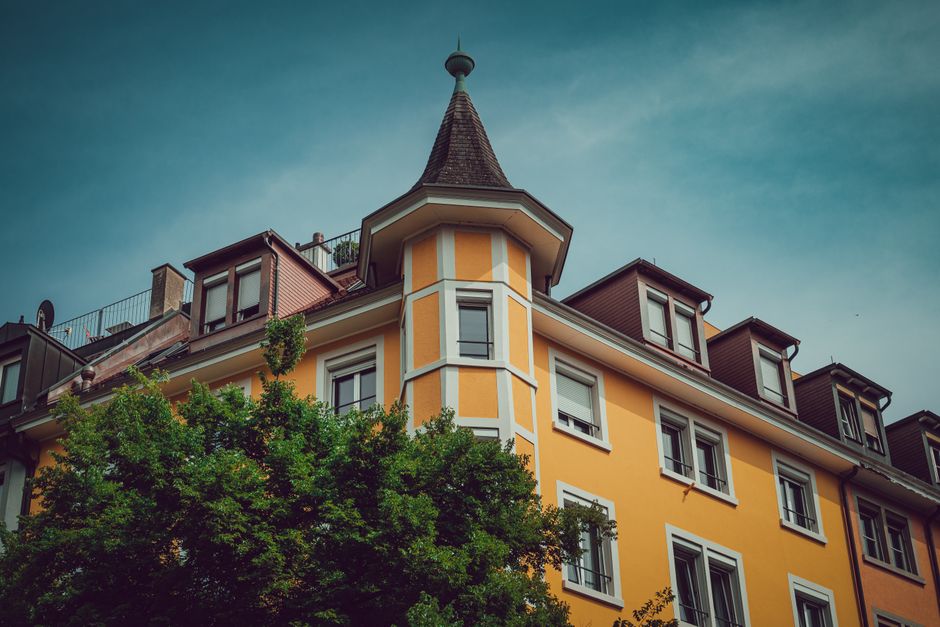
Zurich's property market remains locked in a paradox: record prices coexist with record buyer interest. At CHF 15,000 per square metre for citywide averages—and substantially more in coveted zones like Seefeld and Enge—the market has become Europe's most expensive. Yet demand shows no signs of cooling. Understanding what's actually driving these prices is essential for anyone considering a purchase in 2026.
The fundamental culprit is supply. Zurich's topography, environmental protections, and restrictive planning laws mean new residential land rarely reaches the market in meaningful quantities. When the Wiedikon brownfield site or similar inner-city redevelopment projects do emerge, they vanish within weeks. This scarcity fuels bidding wars and inflates valuations across entire neighbourhoods. Kreis 5 and Wipkingen, once considered "emerging" zones, have now fully consolidated as premium addresses precisely because speculators recognised these constraints years ago.
Wealth inflows compound the problem. International capital seeking safe havens, coupled with Switzerland's wealthy domestic population, creates persistent demand at the upper end. Waterfront properties in Enge and Seefeld regularly command CHF 20,000+ per square metre. Even modest two-bedroom apartments in these neighbourhoods now breach CHF 2 million—pricing out middle-income Swiss families entirely.
Mortgage availability has tightened, yet this hasn't dampened prices. Instead, it has simply shifted the buyer profile toward cash-rich purchasers and investors. Residential property now competes as an alternative asset class, not just housing. This financialisation explains why empty land recently sold for nearly CHF 2 million: speculators and developers see intrinsic value in the scarcity itself, independent of immediate development timelines.
For prospective buyers, several practical truths emerge. First, timing matters less than location fundamentals. Neighbourhoods with constrained expansion potential—Seefeld, Enge, parts of Wiedikon—will likely maintain premium valuations. Second, affordability in the traditional sense has largely vanished for single-income households. Strategic buyers should focus on emerging pockets with genuine redevelopment potential rather than chasing already-consolidated prestige zones. Third, regulatory pressures may shift dynamics. Recent discussions around density regulations and shared ownership models could theoretically ease affordability, though implementation remains uncertain.
The critical question isn't whether Zurich's property market will correct—it's whether you can afford to wait. For owner-occupiers, purchasing decisions should prioritise personal circumstances over market timing. For investors, recognising that scarcity-driven appreciation may decelerate once regulatory frameworks evolve is prudent.
The market's message is clear: Zurich's property premium reflects genuine structural constraints, not speculative excess. Buyers must price accordingly.
This article was compiled by AI from the sources linked above and screened before publishing. See our editorial standards.
How does this story make you feel?
Spread the word
About this article
Published by The Daily Zurich
Daily brief
Free, in your inbox before 7am. Weekdays.
More in Property