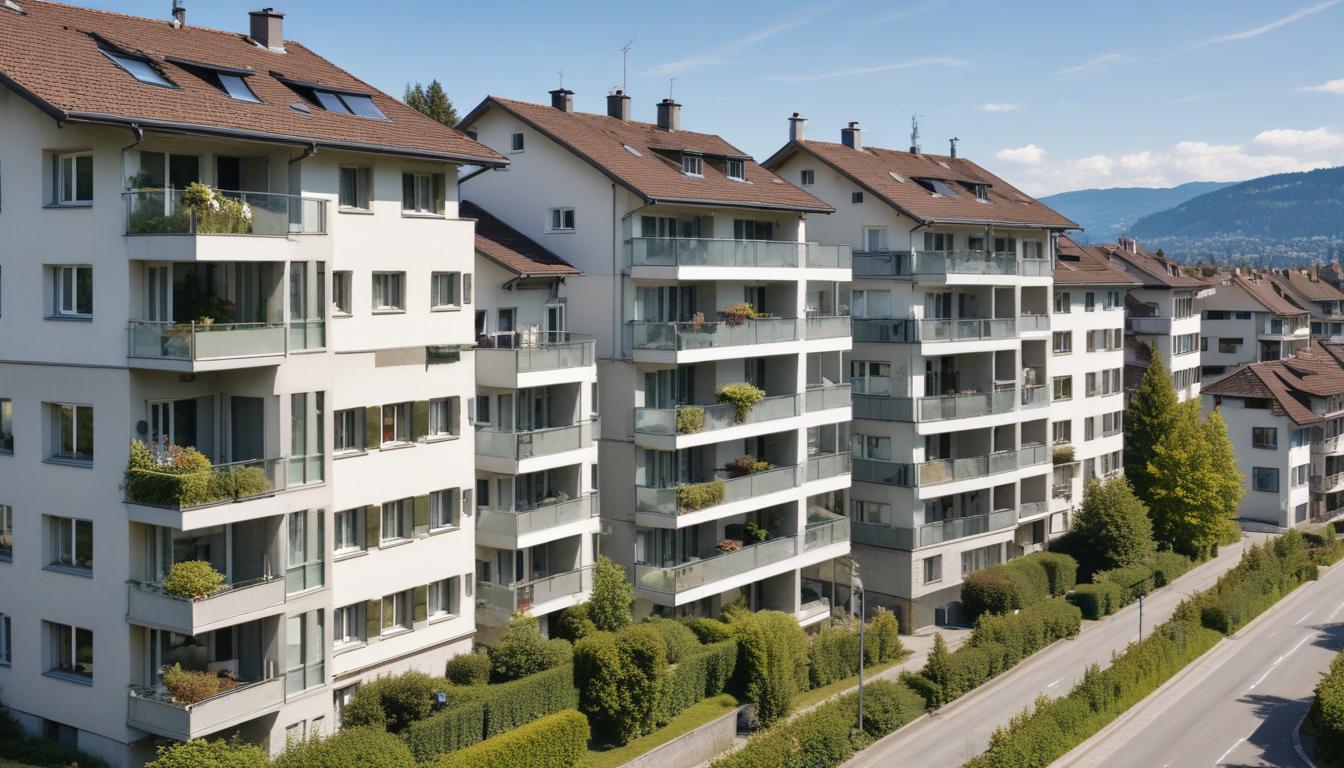
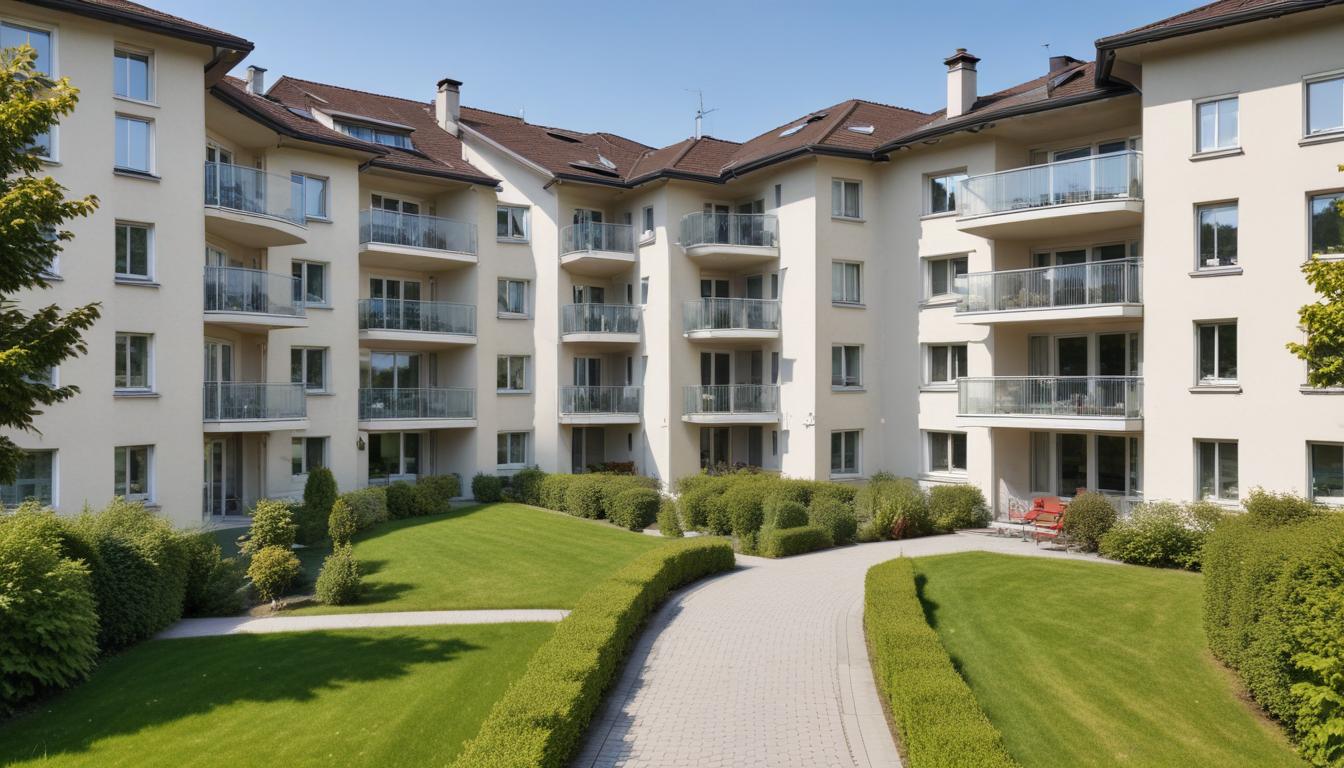
The tension in Zurich's rental market has rarely been more visible. Walk along Langstrasse in Kreis 5 or browse listings near Wollishofen's lakefront, and the pattern is unmistakable: fewer apartments available, higher asking prices, and increasingly competitive tenants fighting for limited inventory.
Switzerland's vacancy rate has hovered below 1.5% for years, and Zurich—consistently commanding an average of CHF 15,000 per square metre for purchase—mirrors this scarcity on the rental side. For a three-room flat in sought-after neighbourhoods like Seefeld or Enge, monthly rents now regularly exceed CHF 3,500, pricing out younger professionals and families who depend on stable incomes rather than inherited wealth.
Landlords, meanwhile, find themselves in an unusual position. While headline rents appear buoyant, the administrative and legal hurdles have intensified. Zurich's tenant protection laws remain among Switzerland's strictest. The Mieterverband (Tenants' Association) has grown more vocal about enforcement, and disputes over deposit withholding or renovation charges now routinely escalate to mediation. Savvy property owners are factoring in these compliance costs when calculating yields.
The market's geography tells the story. Premium waterfront properties—whether renovated 1970s buildings in Enge or converted industrial spaces near the Limmat in Wiedikon—attract institutional investors willing to accept modest returns for stability. Meanwhile, landlords of older stock in Wipkingen or Altstetten face tougher choices: invest substantially in upgrades to justify current-market rents, or accept that tenant turnover will accelerate.
For renters, the mathematics have become brutal. A household earning CHF 6,000 monthly—respectable by most standards—now dedicates roughly 55-60% of gross income to housing in central locations, well above the recommended 30% threshold. This explains the visible migration pattern: young couples increasingly look beyond the city proper, towards Uster, Küsnacht, or Zug, where a comparable apartment might cost CHF 2,000 monthly rather than CHF 3,200.
Real estate agencies report rising demand for lease-break clauses and furnished short-term rentals, suggesting tenants no longer assume multi-year stability. Simultaneously, landlord associations have begun advocating for regulatory relief, particularly around renovation cost recovery and notice periods.
The result is a market grinding towards equilibrium through attrition rather than adjustment. Neither side is winning. Tenants accept diminished space or longer commutes; landlords accept tighter margins or higher vacancy risk. Zurich's rental squeeze is now a defining feature of urban life—and unlikely to ease until the city's housing supply finally matches its desirability.
This article was compiled by AI from the sources linked above and screened before publishing. See our editorial standards.